

The global football transfer landscape is undergoing a seismic shift as Saudi Pro League clubs aggressively challenge the supremacy of Europe’s top leagues. With unprecedented financial investment, Saudi teams such as Al Nassr, Al Hilal, Al Ittihad, and Al Ahli have attracted high-profile stars from Manchester United, Real Madrid, Liverpool, Bayern Munich, Paris Saint-Germain, and Chelsea. The 2024-2025 transfer window saw a heated competition for elite talent, raising questions about the long-term impact on European football’s dynamics and global appeal. As Saudi Arabia’s Vision 2030 fuels this ambitious sporting project, the transfer war intensifies, redefining power balances and stirring a new era of football globalization.
Financial Firepower and Strategic Signings: Saudi Pro League’s Bold Challenge to European Giants
Saudi Pro League clubs have revolutionized the transfer market by leveraging deep sovereign wealth and visionary leadership to offer salaries and incentives that rival, and sometimes exceed, those of established European football powerhouses. Al Nassr led the charge by signing marquee players whose names resonate worldwide, forcing traditional European clubs like Manchester United and Real Madrid to rethink their recruitment strategies amid rising salary expectations.
Key factors underpinning the Saudi transfer surge include:
- Lucrative contracts: Players attracted by unparalleled salary packages and long-term security.
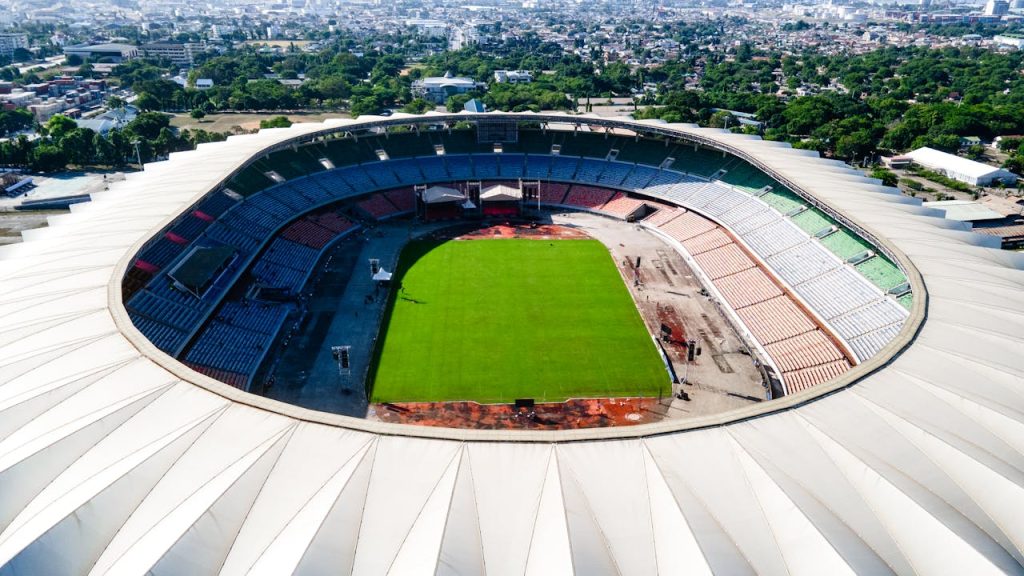
- Modern infrastructure: Top-tier facilities, including training centers and stadiums like King Abdullah Sports City.
- International visibility: Enhanced broadcast deals and social media presence increasing player profiles.
- Vision 2030 initiatives: Government backing aiming to position Saudi Arabia as a global sports hub.
The impact of these signings has been multifaceted. Take the example of Al Hilal securing a midfielder from Liverpool’s recent transport shortlist, marking a strategic acquisition to boost experience and leadership. Meanwhile, Al Ittihad and Al Ahli have made targeted moves for players from Bayern Munich and Chelsea, balancing youthful promise with seasoned expertise.
This wave of high-profile transfers has triggered a ripple effect in Europe’s market:
- Top European clubs face inflated wage demands, complicating contract extensions and new signings.
- Younger talents are weighing offers from Saudi clubs, attracted by guaranteed playing time and financial rewards.
- European leagues seek innovative sponsorships and broadcasting deals to compete financially.
As detailed in recent transfer reports on The Sports Event, this transfer war highlights the growing redistribution of football’s financial power with Saudi clubs now firmly in the conversation alongside giants like Real Madrid and Manchester United.

The Clash of Styles: Tactical Evolution in Saudi Pro League vs. European Football Traditions
While financial muscle grabs headlines, the on-field distinctions between the Saudi Pro League and Europe’s elite leagues reveal a fascinating clash of footballing philosophies. European leagues – Premier League, La Liga, Serie A, Bundesliga, and Ligue 1 – present a tactical kaleidoscope shaped by decades of competitive refinement. Spain’s La Liga dominates with technical flair and possession-based dominance; the Premier League thrives on speed and physicality; Serie A is a masterclass in defensive discipline; while the Bundesliga emphasizes counterpressing and youth integration.
By contrast, the Saudi Pro League is experiencing a tactical renaissance. Historically characterized by open, attack-minded football leveraging long balls and wing play, it is now being transformed by the influx of European managers like Jorge Jesus, Steven Gerrard, and Nuno Espírito Santo, who are establishing greater tactical sophistication.
Key contrasts include:
- European football: structured build-up, strict positional roles, high-intensity pressing, and tactical adaptability.
- Saudi Pro League: evolving from direct play toward controlled possession, emphasizing off-ball movement and shape.
- Physical tempo: Europe demands relentless fitness and rapid transitions; Saudi Arabia grapples with climatic challenges impacting stamina.
This tactical evolution is exemplified by clubs like Al Nassr and Al Hilal adapting their playstyle to incorporate disciplined defensive lines paired with swift attacking counters. The league’s growing tactical awareness aims to bridge the gap in competitiveness and quality, offering fans a captivating blend of entertainment and strategy.
A recent analysis of tactical trends and player development highlights the importance of this evolution, and readers can explore detailed insights on European leagues and Saudi tactics in The Sports Event’s tactical transfers section.
Player Development and Academy Investments: Building Sustainable Football Ecosystems
Europe continues to dominate youth development with world-famous academies like La Masia in Barcelona, Ajax’s youth system, and Borussia Dortmund’s talent identification expertise. These institutions not only feed elite first teams such as Real Madrid and Bayern Munich but also bolster national squads and transfer markets globally.
The Saudi Pro League, in parallel, has shifted focus from relying chiefly on imported stars to nurturing homegrown talent, investing in academies and grassroots initiatives that form the backbone of long-term sustainability.
Significant developmental milestones include:
- Establishment of technical centers: Clubs like Al Hilal and Al Ahli opening advanced training academies with European collaborations.
- National youth programs: Saudi Arabian Football Federation’s initiatives focusing on scouting, training, and competitive exposure.
- Coaching development: Hiring experienced international coaches to raise training standards and tactical knowledge.
- Talent export potential: Preparing exceptional Saudi players for possible future moves to competitive European environments.
Despite progress, the volume and depth of developed talent in Saudi Arabia are still catching up. Unlike Liverpool or Chelsea academies known for consistent youth breakthroughs, Saudi academies face challenges such as infrastructure gaps and fewer competitive tournaments. Nevertheless, integration with global football through partnerships is gradually raising the quality.
| League | Youth Academy Investment Level | Average Academy Graduates per Club | International Transfers of Homegrown Talent |
|---|---|---|---|
| European Leagues (La Liga, EPL, Bundesliga) | High | 8-12 per season | 70% |
| Saudi Pro League | Medium | 3-5 per season | 15% |
These numbers reflect where Saudi football currently stands in its developmental odyssey, yet ongoing investments forecast an accelerated progress curve.
Global Commercial Influence and Broadcasting: Expanding the Football Footprint
The European football leagues possess an unparalleled global commercial footprint. With broadcasting rights spanning more than 200 countries, leagues like the Premier League and La Liga boast billions in annual revenues from sponsorships, merchandising, and digital content. Clubs such as Paris Saint-Germain and Bayern Munich leverage their brand value to maintain financial dominance and global fan engagement.
The Saudi Pro League, however, is rapidly closing this gap by orchestrating strategic broadcasting partnerships and leveraging mega-signings to boost its global image. The arrival of mega-stars has attracted an international audience beyond the Middle East, encouraging deals with European and Asian broadcasters for extensive coverage.
- Expanded broadcast deals: Streaming platforms delivering matches to new regions.
- Multilingual social media campaigns: Engaging worldwide fanbases through various languages and interactive content.
- Global sponsorships: Collaborations with multinational brands underpinning financial growth.
- Digital innovation: Enhanced fan engagement through apps, virtual reality, and in-stadium technologies.
This evolving commercial landscape enables Saudi clubs to compete for attention and revenue alongside long-established European powers. However, the question of financial sustainability lingers, as much of Saudi football’s funding remains government-backed, unlike Europe’s diversified revenue streams.
For related insights on transfer stories impacting commercial aspects in football, visit The Sports Event Champions League narratives.
Challenges and Opportunities Amid Transfer Battles: What’s Next in European and Saudi Football?
The ongoing transfer war between European clubs and the Saudi Pro League presents a dynamic tableau of risks and rewards, challenges and promises.
Challenges facing Saudi football include:
- Cultural integration: Building passionate, enduring fan bases that transcend novelty appeal.
- Geopolitical complexities: Navigating regional tensions that may affect player recruitment and sponsorships.
- Financial sustainability: Ensuring government subsidies give way to private investment models.
- Competition balance: Maintaining league competitiveness beyond a few dominant, wealthy clubs.
Conversely, Europe faces pressure to innovate on recruitment, youth retention, and financial controls to remain competitive and attractive to players who might be swayed by Saudi offers.
A comparative angle on these evolving dynamics is shown below:
| Factors | Saudi Pro League | European Leagues |
|---|---|---|
| Financial Backing | High government investment | Commercial and diversified |
| Player Retention | Emerging youth development | Strong academy systems |
| Global Appeal | Growing international broadcast reach | Established worldwide fanbase |
| Tactical Evolution | Hybrid, evolving style blending European influences | Well-defined traditional styles |
As this transfer war heats up, the football world watches closely. The interaction between tradition and innovation could reshape the future of the sport globally.
How does this ongoing transfer battle affect players’ career choices?
Players are increasingly weighing options beyond the traditional European leagues, considering career longevity, financial rewards, and lifestyle factors. The Saudi Pro League offers guaranteed playing time and lucrative contracts, making it attractive for experienced stars and young prospects alike.
What role do cultural and climatic differences play in this transfer war?
Cultural integration remains a challenge, as players adapt to Saudi society’s distinct lifestyle and the impact of extreme heat on playing conditions. European clubs continue to excel in diverse environments, while the Saudi league is working on infrastructure and scheduling to mitigate climate challenges.
Are Saudi clubs capable of sustaining their huge investments?
Financial sustainability is an open question. While Saudi clubs benefit from robust government backing, long-term viability depends on developing private partnerships, commercial deals, and expanding fan engagement to diversify revenue streams.
How do fan cultures differ between Europe and Saudi Arabia?
European football fandom has deep historical roots and intense local rivalries, producing a passionate stadium atmosphere. Saudi fans are rapidly growing in enthusiasm and community involvement, fostered by government initiatives and evolving league prestige.
What future trajectory can be expected for both football ecosystems?
Both ecosystems are evolving—Europe adapting to new financial and talent challenges, and Saudi Arabia striving to create a unique football identity with global competitiveness. Mutual exchange and cooperation may enrich both.