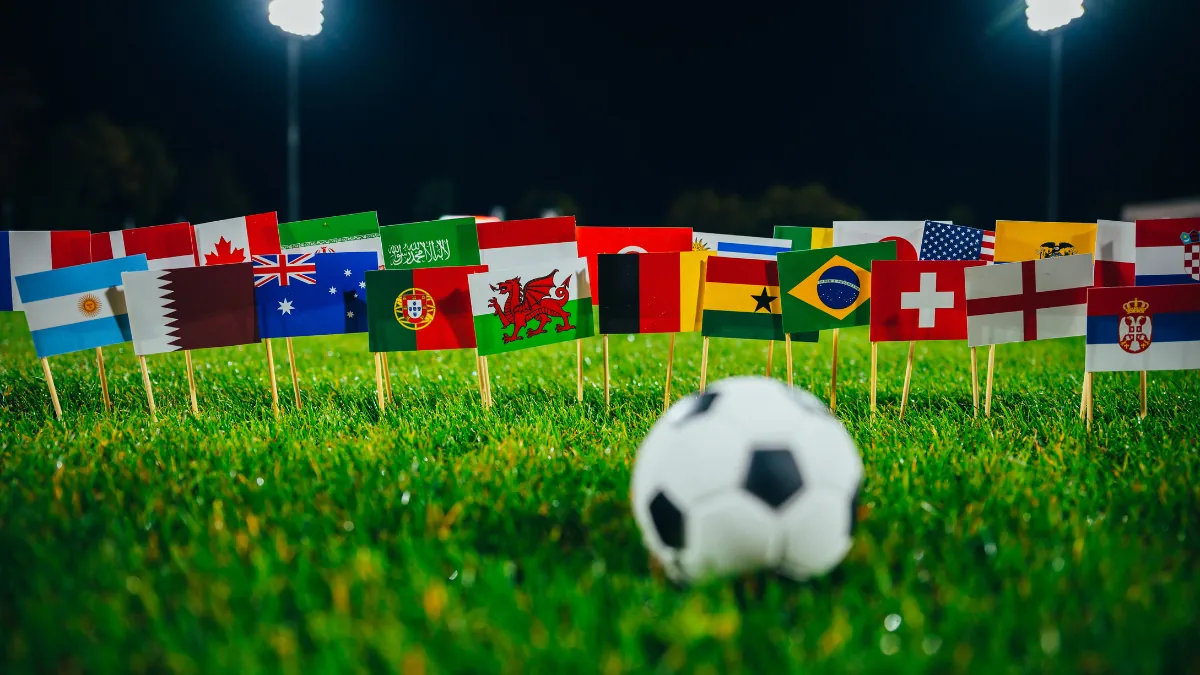


The international break in European football is a pivotal interval in the season where domestic leagues pause, allowing players to don their national colors across various prestigious tournaments and qualifiers. This break not only impacts team strategies on the club level but also shapes player form and international standings. As the 2025–26 season unfolds, fans are preparing for a dynamic phase featuring key Nations League quarter-finals, World Cup qualification matches, and friendly encounters across the continent’s top leagues and cups.
This period offers insights into club depth, player fitness, and emerging talents, all while maintaining the momentum towards major international tournaments. The combination of competitive fixtures and strategic rest for players promises a compelling chapter in the football calendar, observed closely by ESPN, Sky Sports, BBC Sport, and other leading sports outlets.
Contents:
- The diverse landscape of international fixtures during the break
- Impact of international duties on domestic league schedules and teams
- Fixture scheduling and calendar coordination across European competitions
- Leagues continuing play versus those on full break during FIFA dates
- Player performance, transfers, and rising stars spotlighted amid international action
- FAQ section focusing on common questions about international breaks
Understanding the varied international fixtures across European leagues during the break
The international break in 2025 is marked by a variety of matches reflecting the diverse competitive commitments of European national teams. Some countries are engaged in the Nations League quarter-finals, significant given that this year marks one of the first editions featuring knockout phases beyond group matches. These fixtures are impactful, determining who advances to the summer finals, and carry high stakes for teams like Spain, the reigning European champions and current favorites.
Simultaneously, many nations embark on their 2026 FIFA World Cup qualification campaigns. These qualifiers are intensely competitive as teams maneuver to secure spots in the most prestigious global tournament. The qualification process spans multiple international breaks and is closely followed by media platforms such as Goal.com and Football365, emphasizing player availability and tactical setups selected by national coaches.
Exploratory friendlies also fill the calendar, allowing squads to test formations and blood new talents without the pressure of qualification points. These friendlies often serve as proving grounds for rising players who capture attention from scouts and clubs, emphasizing the increasing role of youth across Europe’s football landscape.
- Nations League Quarter-finals: Two-legged ties heating up the international calendar.
- World Cup 2026 Qualifiers: Crucial matches shaping the journey to next summer’s tournament.
- Strategic Friendlies: Opportunities for teams to experiment and develop future stars.
- Media Spotlight: Extensive coverage by UEFA, ESPN, and Eurosport heightens public engagement.
| Competition | Schedule During Break | Significance | 2025 Context |
|---|---|---|---|
| UEFA Nations League Quarter-finals | Late September to early October | Knockout phase deciding finalists | New format emphasizes high-stakes matches |
| FIFA World Cup 2026 Qualification | Ongoing through multiple breaks | Determines World Cup participants | Intense rivalries enhance competitive nature |
| International Friendlies | Scattered throughout the break | Testing grounds for tactics and players | Showcases emerging talents and experiments |

How international duty impacts club schedules and team dynamics in top European leagues
When the international break arrives, all major leagues like the Premier League, La Liga, Serie A, Bundesliga, and Ligue 1 pause, recognizing that many key players are away representing their nations. This hiatus alleviates pressure on clubs left to manage without their international stars, but it also disrupts domestic form and momentum. Clubs face the challenge of maintaining performance levels while keeping players fresh for post-break fixtures.
The English Football League (EFL) Championship and lower divisions sometimes continue playing during FIFA international windows, offering useful competition but forcing clubs to rely on squad depth. This divergence affects fans and broadcasters such as Sky Sports and The Athletic, who track how clubs mitigate this period with young and fringe players. For example, the Scottish Premiership often schedules fixtures cleverly around breaks to avoid fixture congestion.
Managers grapple with balancing fitness and tactical continuity, particularly when players return with injuries or fatigue. The timing of the break allows clubs to reassess formations and swap out players based on their international performances, as noted widely by Bleacher Report and Sports Illustrated.
- Premier League & La Liga: Full league pause during the break.
- Lower English leagues: Matches sometimes continue, impacting player availability.
- Player fatigue management: Critical for maintaining squad health in the condensed season.
- Transfer market rumors heat: International performances influence player valuation and mobility.
| League | International Break Policy | Impact on Teams | 2025 Observations |
|---|---|---|---|
| Premier League | Full pause during FIFA breaks | Allows players to focus on international duty; avoids scheduling conflicts | Heightened media attention on player returns and fitness |
| English Football League (Championship) | Occasional fixtures during breaks | Clubs rely on youth/squad players; competitive advantage shifts | Notable for testing emerging talents |
| Bundesliga | Pause during international breaks | Enhanced recovery time for key players | Emphasis on tactical adjustments post-break |
| Serie A | Full pause during international breaks | Maintains season rhythm and player availability | Focus on managing player fitness due to congested schedules |
Scheduling and coordination of European football competitions amid international windows
Balancing an intricate football calendar is one of the major tasks for UEFA and national leagues, especially given the packed schedules of 2025–26 across domestic leagues, Cups, and continental tournaments. The international break is strategically positioned to coincide with key qualification matches and finals of tournaments like the Nations League and Euro qualifiers, minimizing disruption to club competitions.
Sports calendar coordination involves multiple stakeholders including FIFA, UEFA, broadcasters like BBC Sport, and agents ensuring that fixture congestion is minimized while maintaining the integrity of competition. This year, the introduction of two-legged Nations League quarter-finals adds complexity but also excitement for fans tracking decisive matches.
Fixtures may be scheduled across entire weekends with variations between countries; England and Germany lean towards Saturday kick-offs, whereas France, Italy, and Spain often schedule Sunday games. This scheduling flexibility aids in avoiding conflicts with international fixtures and television broadcast windows, ensuring maximum viewership and commercial success.
- UEFA and FIFA Calendar Alignment: Coordination critical for smooth season flow.
- Broadcasting Schedules: Key to audience retention and advertising revenues.
- Matchday Distribution: Variance across countries to optimize attendance and coverage.
- Covid and Contingency Plans: Continued relevance for unforeseen reschedules.
| Stakeholder | Role in Scheduling | Considerations | Impact in 2025 |
|---|---|---|---|
| UEFA | Organizes continental competitions and Nations League | Synchronizes with FIFA and national leagues | Introduces Nations League knockout rounds |
| FIFA | Coordinates international match calendar | Ensures balanced timing of World Cup qualifiers | Maintains calendar cohesion amid multiple tournaments |
| Broadcast Partners (BBC Sport, Sky Sports) | Schedule games for maximum reach | Negotiate flexible matchday timings | Drive record viewership and advertising |
| National Leagues | Adjust domestic schedules around breaks | Avoid fixture congestion | Maintain competitive balance |
Leagues that play during FIFA international breaks: exceptions and implications
While most elite European leagues pause during FIFA international breaks, some competitions buck this tradition, offering continuous action even when star players are absent on international duty. Major League Soccer (MLS) notably continues its regular season, despite players like Lionel Messi temporarily leaving for Copa America participation.
Similarly, the English lower tiers such as League One and League Two maintain full schedules during these intervals, which has implications for player development and match fitness. Scandinavian leagues like the Allsvenskan in Sweden and Eliteserien in Norway run their seasons from early spring to late autumn, providing uninterrupted football during international breaks—a scheduling adaptation to climate.
These ongoing competitions test clubs’ abilities to deploy rotation strategies and scout talent when international stars are inactive. The disparities between leagues during international breaks generate varying fan experiences and broadcast opportunities, carefully analyzed by media companies including Football365 and The Athletic to tailor content delivery.
- MLS and other Non-European Leagues: Continue league play despite international demands.
- Lower-tier English leagues: Play through breaks, impacting squad rotation and youth exposure.
- Scandinavian Liga Seasons: Designed around climate, sustain continuous action.
- Broadcasting and fan engagement: Different approaches suit diverse audiences.
| League | International Break Policy | Reason | 2025 Notes |
|---|---|---|---|
| Major League Soccer (USA/Canada) | Plays continuously during FIFA breaks | Season runs March to November | Stars away for tournaments, but league remains active |
| English League One & Two | Full fixtures during international breaks | Supports club continuity and youth development | Provides opportunities for emerging players |
| Allsvenskan (Sweden) | Continuous play through breaks | Season scheduled April to November | Adapts to weather conditions |
| Eliteserien (Norway) | Continuous play through breaks | Season March to November | Maintains fan engagement despite player absences |
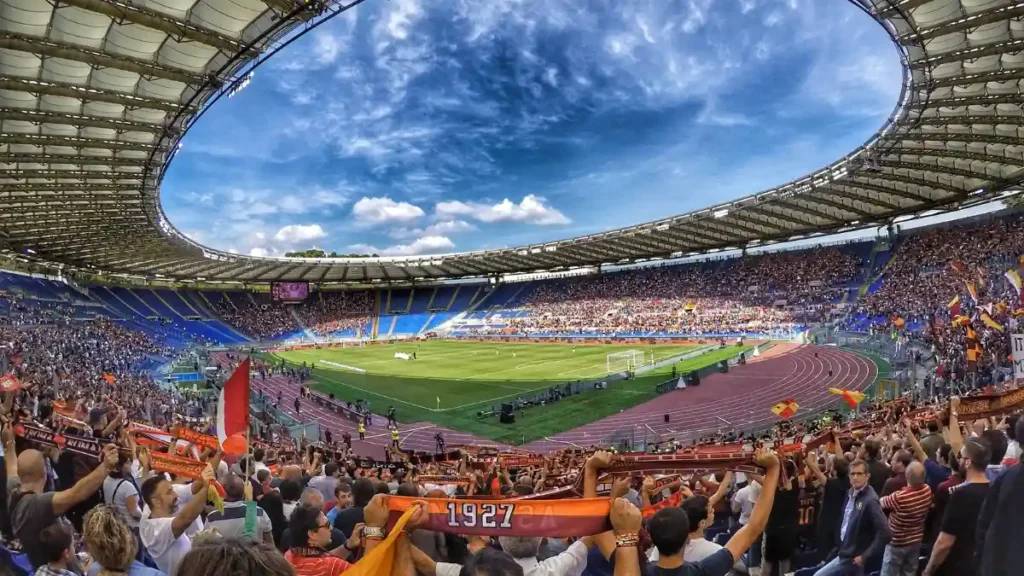
Key players, transfer market movements, and rising stars highlighted during the international break
The international break presents a unique stage for players to elevate their reputations or recover from form dips. Star forwards and midfield maestros often showcase their talents with national teams, influencing transfer rumors and club strategies extensively covered by outlets such as Bleacher Report and The Athletic. Notably, the spotlight on young talents, especially in women’s leagues, gains traction, with platforms like rising stars in women’s football gaining global recognition during these windows.
International fixtures have also become essential barometers for player market value. Ligue 1’s star Ousmane Dembélé, for instance, continues to attract headlines around the Ballon d’Or buzz and PSG status. Performances in these breaks can accelerate contract negotiations or spark high-profile transfers, adding an extra layer of excitement beyond the match action.
- Player form and fitness showcase: National duty tests endurance and skill under pressure.
- Transfer rumors intensify: Clubs observe performances for strategic signings.
- Emerging talents recognized: Break serves as launchpad for next generation stars.
- Women’s football rising profile: Increasing coverage highlights league and player developments.
| Player | National Team | International Impact | Transfer/Media Attention |
|---|---|---|---|
| Ousmane Dembélé | France | Strong Nations League performance | Linked with Ballon d’Or and PSG profile enhancement |
| Emerging Women’s League Talents | Various | Key breakout games during friendlies | Featured on platforms like Women’s League Rising Stars |
| Top World Cup Qualifiers Performers | Multiple | Decisive contributions for qualification push | Draw media spotlight from Eurosport and Sports Illustrated |
| Youth Prospects from Lower Leagues | Various | Opportunities to impress on international stage | Scouted actively during breaks |