


In the dynamic sphere of professional sports, artificial intelligence (AI) is no longer a mere buzzword but a pillar of modern athletic performance and strategy. The evolution from traditional coach intuition to data-driven decision-making marks a profound shift, with AI technologies harnessing vast amounts of data to elevate every facet of sports. From player tracking systems that capture hundreds of data points in a single play to machine learning algorithms that forecast injuries before they occur, the integration of AI analytics is reshaping how sports are played, watched, and managed worldwide.
This transformation impacts every stakeholder—from coaches designing training regimens tailored by biomechanics insights, to broadcasters delivering personalized fan experiences, and sports organizations optimizing business metrics through predictive analytics. Projected to surpass USD 19.2 billion by 2030, the AI sports market reflects this seismic shift, empowering athletes, teams, and fans like never before while redefining competitive edges across leagues and disciplines.
Exploring AI-Powered Sports Analytics: Foundations and Real-Time Performance Insights
At the core of modern sports transformation, AI-powered analytics utilize advanced technologies including machine learning, computer vision, and predictive analytics. These tools allow comprehensive data processing beyond human capability, providing invaluable real-time insights for enhanced performance and strategy.
Machine learning algorithms sift through massive datasets to identify patterns that predict player efficiency and potential match outcomes. Computer vision, employed by innovators like Hawk-Eye Innovations, processes live video footage, tracking player motion, speed, and tactical positioning with exceptional precision.
Predictive analytics combines historical and current data to forecast injury risks, fatigue levels, and game scenarios, enabling proactive decision-making by coaching staff. Systems such as Catapult GPS vests collect over 200 data points per second, allowing instantaneous analysis of player biomechanics.
- Machine Learning: Predictive modeling of player performance and game strategies.
- Computer Vision: Automated processing of live event footage for tactical insights.
- Wearables & Sensors: Real-time physiological and biomechanical data collection.
- Predictive Analytics: Injury prevention and performance forecasting.
This progression represents an extraordinary leap from traditional data analysis, which was manual, time-consuming, and often subjective. Today’s AI systems deliver data-driven, actionable insights as plays unfold, improving reaction times and strategic choices during games, a feature increasingly integrated by leading clubs using platforms such as SAP Sports One and analysis tools from Stats Perform.
| Feature | Traditional Analysis | AI-Powered Analytics |
|---|---|---|
| Data Collection | Manual, limited | Automated, comprehensive (wearables & cameras) |
| Insight Delivery | Post-match reports | Real-time during play |
| Accuracy | Subjective estimations | Data-driven estimations |
| Scope | Isolated games | Cross-season player tracking & analysis |
Such enhanced analytic capacity facilitates better-informed athlete management and game planning, setting a new standard for performance optimization in all major sports.
Transforming Athlete Performance: AI’s Role in Training, Recovery, and Injury Prevention
The integration of AI-driven analytics into athlete training and recovery regimes marks one of the most impactful advances in sports science. Technologies from companies like Kinduct and Sportlogiq offer detailed biomechanical and physiological evaluations, tailored to optimize individual performance and reduce injury risks.
Wearable sensors continuously monitor metrics such as heart rate variability, muscle activation, and movement efficiency. This real-time feedback refines training loads, ensuring that athletes avoid overtraining and fatigue, which are common precursors to injury.
- Heart Rate & Stress Monitoring: AI detects fatigue and stress trends guiding rest periods.
- Movement Pattern Analysis: Identifies biomechanical anomalies to mitigate strain.
- Shot Precision and Agility Assessment: Used extensively in basketball and football for technical improvements.
- Rehabilitation Analytics: Personalizes recovery protocols and expedites return-to-play timelines.
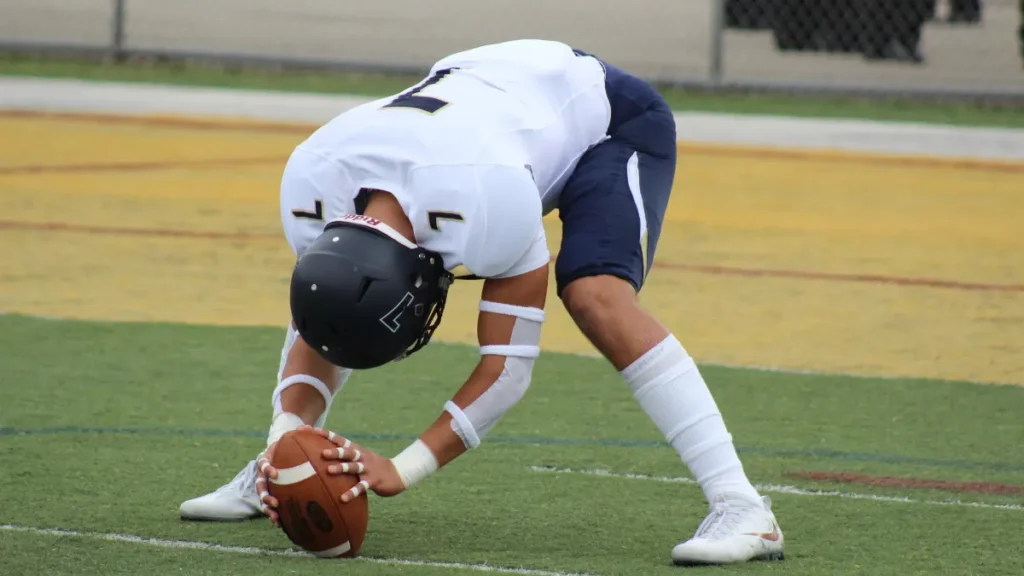
For example, the adoption of AI-powered helmet sensors like Riddell’s system in American football, enhanced by data provided by Zebra Technologies, helps medical staff monitor head impacts and concussion risks in real time. Similarly, ShotTracker supports basketball athletes by delivering precise shooting and movement analytics, significantly improving practice effectiveness.
| Performance Metric | Improvement with AI | Impact on Career |
|---|---|---|
| Average Speed | Up 22% | Enhanced agility and competitive edge |
| Accuracy | Up 15% | Higher scoring efficiency |
| Injury Downtime | Down 35% | Longer active career spans |
| Decision-Making Speed | Up 28% | Faster tactical responses during games |
Such measurable enhancements not only elevate individual performance but often define team success, particularly in leagues heavily reliant on detailed analytics like the NBA, whose preseason strategies increasingly integrate AI insights as outlined in recent analytics reports.
Impact of AI Across Different Sports Disciplines: Cricket, Football, Tennis, and Basketball
Artificial intelligence applications in sports are highly specialized, reflecting the unique demands and rules of each discipline. From cricket to basketball, AI analytics now underpin game-changing strategies and athlete development.
In cricket, technologies like Hawk-Eye Innovations provide highly accurate ball trajectory data, aiding both officiating and strategic decisions. Enhanced analytics anticipate bowler tactics and batter weaknesses, contributing to improved training outcomes and match simulations.
Football, one of the most data-intensive sports, employs AI tools such as those by Stats Perform to analyze ball possession, pass completion rates, and defensive formations. Elite clubs use these real-time insights to tweak formations and player roles instantly, shifting the competitive landscape decisively. The impact of stats-based strategies in football also relates to commercial aspects, as seen in growing interest around college football’s evolving analytics-driven tactics.
Tennis exploits AI-powered cognitive analysis to evaluate player emotions and opponent tendencies, enhancing match strategy and mental preparedness. Platforms similar to IBM Watson facilitate this nuanced insight, supporting top players on the tour.
Basketball teams utilize AI extensively to monitor fatigue and optimize shooting angles. Systems like Second Spectrum provide detailed heat mapping and positional analytics, enabling smarter shot selection and defensive planning, as elaborated in in-depth basketball analytics coverage.
- Cricket: Ball trajectory, player weakness simulation, umpire assistance.
- Football: Real-time tactical adjustments, player workload monitoring.
- Tennis: Opponent strategy analysis, emotional state tracking.
- Basketball: Fatigue management, shot accuracy optimization.
| Sport | Key AI Applications | Representative Technologies |
|---|---|---|
| Cricket | Ball tracking, performance simulation | Hawk-Eye Innovations |
| Football | Possession analysis, formation optimization | Stats Perform, Catapult |
| Tennis | Emotional analysis, tactical planning | IBM Watson (reference), AI cognitive platforms |
| Basketball | Shot tracking, fatigue monitoring | Second Spectrum, ShotTracker |
AI-Driven Predictive Analytics: Revolutionizing Coaching and Team Management
Predictive analytics fuel a proactive approach to coaching, shifting focus from reactive measures to anticipation of player condition and match outcomes. By analyzing vast datasets, including physiological metrics and tactical patterns, AI systems help coaches optimize training loads, reduce injury rates, and improve strategic planning.
Key predictive use cases encompass:
- Injury Risk Prediction: Monitoring biomechanics and training intensity to prevent setbacks.
- Optimal Training Load Forecasting: Balancing exertion and recovery tailored to each athlete.
- Game Outcome Estimation: Assessing probabilities based on performance trends and opposition analysis.
- Market Value Analytics: Evaluating player worth through performance and potential trajectories.
The power of these insights is evident in practical applications across leagues utilizing platforms such as Hudl, which delivers intelligent video analysis to assist coaches with tactical and performance evaluations. The ability to forecast muscle fatigue or stress through AI affords timely rest decisions, helping teams maintain peak squad fitness throughout grueling seasons.
| Predictive Analytics Application | Description | Benefits |
|---|---|---|
| Injury Prevention | Analyzes biometric and workload data to flag risks | Reduces injury occurrences and recovery times |
| Training Optimization | Personalizes workload for maximal performance | Enhances endurance and skills while minimizing overtraining |
| Match Outcome Forecasting | Evaluates tactical factors against opposition data | Informs game strategies and lineup decisions |
| Player Valuation | Integrates performance data with market trends | Maximizes negotiation leverage and recruitment success |
Organizations embracing these AI tools enjoy a strategic advantage, often translating predictive insights into championships and optimized roster management. The comprehensive impact of such analytics is also supported by resources diving into practical betting strategies and profit maximization around popular sports, including football and basketball, illustrated in expert betting strategy analyses.
Optimizing Fan Engagement and Sports Broadcasting with AI Innovations
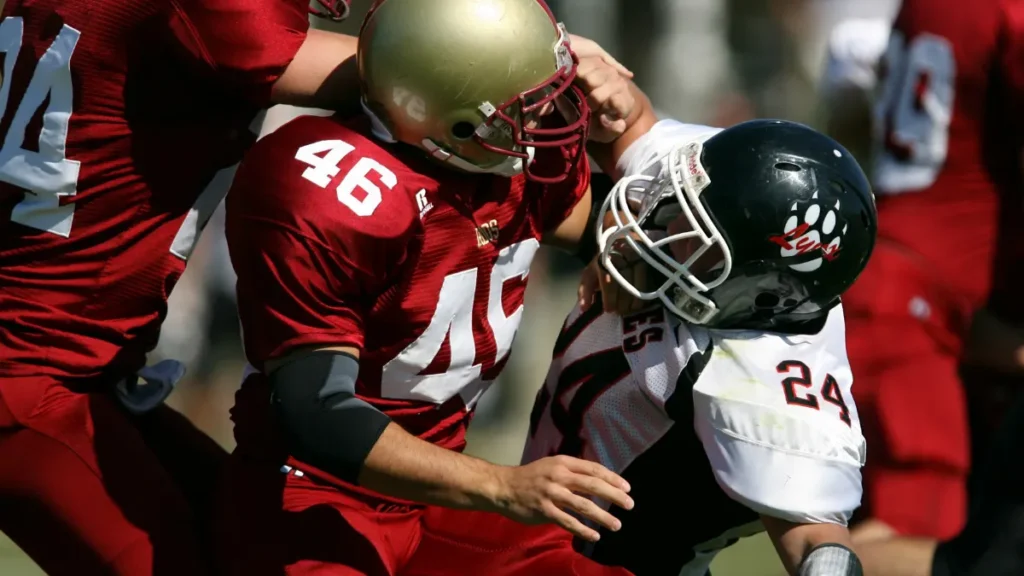
AI’s reach extends beyond athletes and coaches, profoundly enriching the fan experience and broadcasting dynamics. Advanced data analytics enable broadcasters to deliver personalized content, utilize AI-powered camera technology, and offer immersive virtual reality engagements.
For example, AI technologies like those developed by Second Spectrum enhance broadcasts with live statistics, player heat maps, and precise movement tracking, drawing fans closer to the action. Streaming platforms incorporate AI-driven recommendation engines to customize highlights and insights based on viewer preferences.
- Personalized Viewing Experiences: AI curates content based on interests and past interactions.
- Interactive AI Chatbots: Provide real-time stats and match updates.
- AI Camera Angles: Focus dynamically on top players and key moments.
- Virtual Reality: Immersive stadium experiences accessible from home.
Moreover, AI analytics inform targeted marketing campaigns during sports events, enhancing fan loyalty and brand engagement. The synergy between data and entertainment has elevated the sports viewing experience, with innovations like Sportlogiq playing a pivotal role in detailed performance visualizations.
| Fan Experience Feature | AI-Driven Enhancement | Impact |
|---|---|---|
| Content Personalization | Analyzes viewer preferences and history | Increased engagement and retention |
| Real-Time Interaction | AI chatbots and instant stats | 24/7 fan involvement |
| Broadcast Innovation | Dynamic camera and analytics overlays | Deeper understanding and excitement |
| Stadium Virtualization | Immersive VR experiences | Expanded access and fan satisfaction |
These technologies are increasingly crucial to maintaining fan interest in a crowded sports entertainment landscape. Insights on maximizing sports betting profits and fan engagement, relevant to applying AI in these contexts, are discussed in detail at leading sports betting strategy sources.