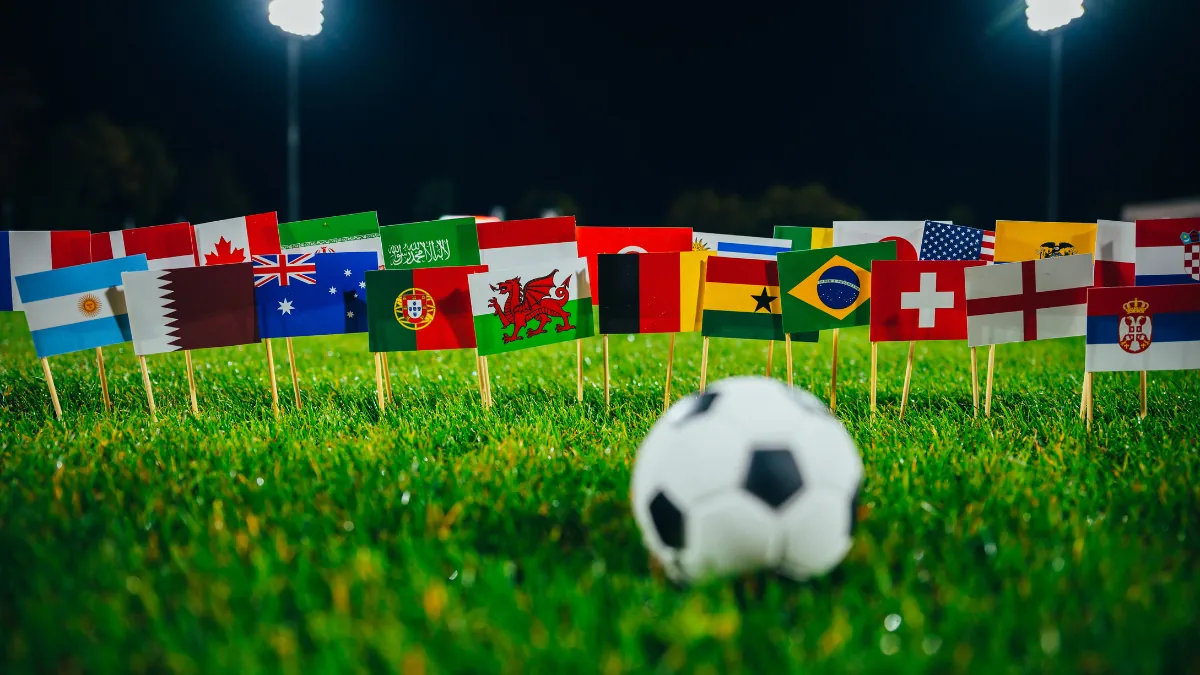

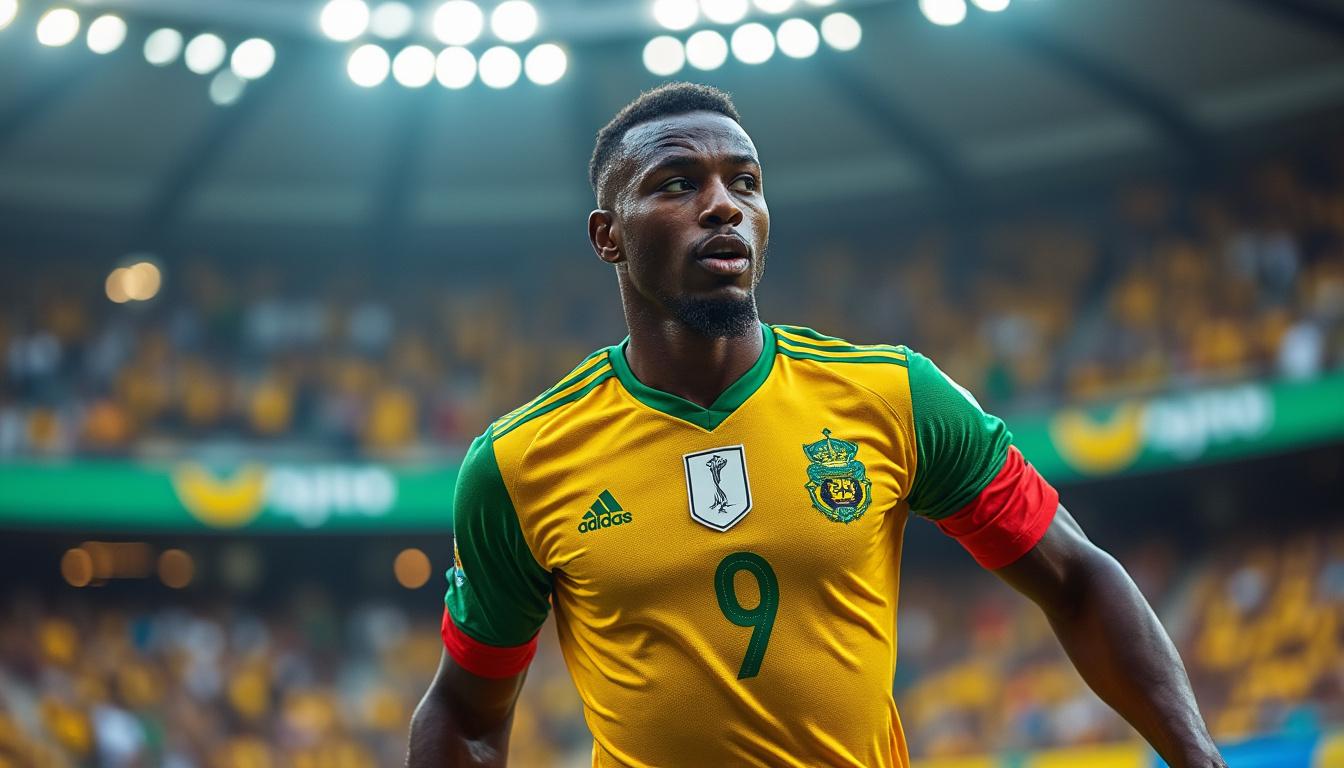
The 2025 Africa Cup of Nations (AFCON) is set to ignite the continent’s passion for soccer with a tournament kickoff scheduled for December 22, 2025. Hosted by Morocco for the second time, AFCON 2025 features 24 nations competing across nine stadiums in six cities. The competition promises to enthrall football enthusiasts with intense matches, showcasing Africa’s finest talents and well-ranked teams battling for continental supremacy. This edition arrives on the heels of an exciting World Cup qualification cycle and carries added anticipation with the tournament overlapping the festive holiday season. With early favorites already emerging, the stakes have never been higher in this prestigious soccer championship.
Morocco, the host nation and Africa’s highest-ranked team globally at 11th, carries the hopes of a nation eager to lift their first AFCON title since 1976. Meanwhile, traditional powerhouses such as Egypt, Senegal, and Ivory Coast, the reigning champions, aim to assert dominance in a fiercely competitive environment. This large-scale continental competition offers a platform for breakout players to leave their mark, as well as intense rivalries in the group stage and beyond. The event’s structure and schedule reflect careful planning to optimize engagement across Africa and the international football community.
AFCON 2025 Groups and Tournament Format: Understanding the Path to Glory
The 35th edition of the Africa Cup of Nations brings 24 qualified teams organized into six groups of four, a format maintained since 2019 that intensifies competition and strategic matchups. The groups have been carefully drawn to balance historical giants and rising nations, setting up compelling clashes in the early stages of the tournament.
Group A features hosts Morocco alongside Mali, 2012 winners Zambia, and Comoros, who made headlines with their qualification. Morocco’s group will test whether the Atlas Lions’ world-record-winning streak heading into the tournament can translate into decisive wins on home soil.
Group B garners attention with Egypt, led by Mohamed Salah, facing strong opposition from South Africa, Angola, and Zimbabwe. Salah’s quest for his first AFCON title adds a narrative layer, given Egypt’s record pursuit of an eighth continental crown.
Group C infuses East African flavor with Uganda and Tanzania joining Nigeria and Tunisia, a dynamic group that combines experienced squads with determined underdogs. Group D will feature a heavyweight scoff with Senegal, the 2021 champions, up against DR Congo, Benin, and Botswana. This group promises high intensity and tactical battles, with Senegal eager to reaffirm their dominance.
Group E includes Algeria, Burkina Faso, Equatorial Guinea, and Sudan, a mix that will test Algeria’s strength in northern African conditions. Finally, Group F pits holders Ivory Coast alongside five-time champions Cameroon, Gabon, and Mozambique, making it a group to watch for potential knockout stage drama.
The tournament format allows the top two teams from each group, plus the four best-ranked third-place sides, to advance to the last 16. Teams progress through quarterfinals, semifinals, and ultimately the final at Rabat’s Prince Moulay Abdellah Stadium, which also hosts opening fixtures. This progression promotes competitive matches early and ensures that even third-placed teams have an incentive to challenge aggressively.
| Group | Teams |
|---|---|
| A | Morocco, Mali, Zambia, Comoros |
| B | Egypt, South Africa, Angola, Zimbabwe |
| C | Nigeria, Tunisia, Uganda, Tanzania |
| D | Senegal, DR Congo, Benin, Botswana |
| E | Algeria, Burkina Faso, Equatorial Guinea, Sudan |
| F | Ivory Coast, Cameroon, Gabon, Mozambique |
With this challenging draw, early predictions suggest that some groups could yield highly competitive knockout fixtures, setting the stage for an unpredictable and thrilling soccer championship. More details about the teams’ preparations and implications can be found at AFCON 2025 strongest nations.

Venues and Logistics: Morocco’s Stadiums Ready for AFCON 2025
Morocco’s commitment to hosting a world-class Africa Cup of Nations is reflected in its investment in infrastructure, with nine stadiums spread across six cities prepared to stage this monumental event. The Prince Moulay Abdellah Stadium in Rabat, with a capacity of nearly 69,500, is not only the opening and final game venue but also a key symbol of the country’s readiness for high-profile football competitions. Opened in September 2025, this stadium replaces its predecessor and stands as a state-of-the-art facility designed to enhance both player performance and fan experience.
Four Rabat-based venues cater to the group stage, ensuring that matches throughout the tournament maintain accessibility and atmosphere. Cities such as Casablanca, Marrakech, Agadir, Tangier, and Fes contribute significant stadiums with capacities ranging from 18,000 to 68,000 seats. The Grande Stade de Marrakech and Stade Mohammed V in Casablanca are notable for their size and historical significance in African football. Their varied locations provide a wide geographical footprint, encouraging diverse fan attendance and fostering continental unity through football.
The choice of venues indicates strategic planning, balancing fan interest with logistical considerations such as travel, accommodation, and security. Morocco’s dual role as the 2025 AFCON host and a 2030 FIFA World Cup co-host further evidences its investment in sustainable sports infrastructure. The stadiums’ readiness and modern amenities are expected to elevate the overall tournament experience, supporting competitive matches across the African football calendar.
Additional insight into the stadiums, schedule, and viewing options can be consulted via AFCON 2025 live stream coverage.
Key Players and Emerging Stars: Watchlist of AFCON 2025 Breakout Players
AFCON 2025 presents an excellent opportunity for some of Africa’s brightest talents to emerge on a continental stage. Established stars like Mohamed Salah (Egypt) and Sadio Mané (Senegal) will focus on delivering performances worthy of legacy enhancement, but there is also keen attention on rising players likely to become pivotal in their national campaigns.
Players such as Bryan Mbeumo of Cameroon and Amad Diallo representing Ivory Coast bring Premier League experience, raising the stakes for their sides. Their performances will be scrutinized not only by fans but by sports betting analysts who have been tracking player form ahead of the tournament. For those interested in discovering upcoming stars and how they could impact the soccer championship, resources like AFCON breakout players provide detailed analysis and scouting reports.
Beyond attacking talent, defensive stalwarts from Algeria and Morocco, along with midfield anchors from DR Congo and Tunisia, add layers of tactical complexity to teams. These players contribute to team rankings that are crucial in match preparations. Their ability to perform under pressure, adapt to rapidly changing match dynamics, and control the tempo is often decisive in knockout rounds.
In addition, viewers can expect a showcase of tactical innovation as coaches implement varied game plans, influenced by the unique mix of styles present at AFCON 2025. The combination of experience and youth means exciting developments are likely in every group and knockout phase fixture.
AFCON 2025 kicks off December 22, 2025: early favorites start to emerge
Découvrez les dernières informations, analyses et outils interactifs pour suivre l’Afrique Cup of Nations 2025. Cette compétition promet d’être intense avec des stars mondiales à suivre de près.
Top Players to Watch in AFCON 2025
Below are some of the standout players expected to shine in the tournament:
- Mohamed Salah (Egypt)
- Sadio Mané (Senegal)
- Bryan Mbeumo (Cameroon)
- Amad Diallo (Ivory Coast)
- Kalidou Koulibaly (Senegal)
- Achraf Hakimi (Morocco)
Group Stage Simulator
Simulate the group stage of AFCON 2025. Enter each group team’s points and see which teams advance.
Live AFCON 2025 Standings
Live standings updated from a free public football API:
Goals Scored by Top Teams (Simulated Data)
Match Schedule and Key Fixtures: A Look at AFCON 2025’s Critical Dates and Games
The tournament will provide nonstop football action from December 21 through January 18, with group stage matches designed to keep fans engaged daily. Four matches per day during the group stages—with kickoffs at 12:30, 15:00, 17:30, and 20:00 GMT—offer a packed schedule that balances rest and excitement for teams and supporters alike.
Key fixtures include the opening game between Morocco and Comoros, setting the tone at Rabat’s Prince Moulay Abdellah Stadium. Group F presents a heavyweight clash between holders Ivory Coast and five-time champions Cameroon, a game that could prove pivotal in determining knockout stage prospects. The Group D showdown featuring Senegal and DR Congo also promises high stakes, reflecting the intense rivalry and skill levels in that bracket.
The knockout rounds begin promptly after the group phase, with the Round of 16 starting on January 3. Quarterfinals, semi-finals, the third-place playoff, and final are slated throughout early to mid-January, culminating in the finale on January 18. The final’s location back at Morocco’s premier stadium emphasizes the home country’s role in hosting a climactic event in African football history.
| Phase | Start Date | Number of Matches | Time Slots (GMT) |
|---|---|---|---|
| Group Stage | Dec 21, 2025 | 36 | 12:30, 15:00, 17:30, 20:00 |
| Round of 16 | Jan 3, 2026 | 8 | 16:00, 19:00 |
| Quarterfinals | Jan 9, 2026 | 4 | 16:00, 19:00 |
| Semi-finals | Jan 14, 2026 | 2 | 17:00, 20:00 |
| Third-place Play-off | Jan 17, 2026 | 1 | 16:00 |
| Final | Jan 18, 2026 | 1 | 19:00 |
Football enthusiasts can follow the entire tournament, including live updates and expert analysis, through comprehensive platforms like Morocco vs Ivory Coast live coverage, providing vital insight into the event’s progression. The packed schedule reflects the tournament’s ambitions to keep the soccer audience fully engaged throughout the holiday period.
The Road to Victory: Emerging Early Favorites in AFCON 2025
The build-up to AFCON 2025 has been dominated by speculation about which team will emerge as the favorite to claim the prestigious title. Morocco’s unbeaten streak of 18 consecutive international wins has set a new global record, showcasing their balanced squad and tactical discipline. The Atlas Lions’ ability to maintain defensive solidity while scoring prolifically – netting 50 goals and conceding just four across that run – positions them as overwhelming favorites heading into the tournament.
Senegal, Africa’s 2021 champions, have demonstrated consistent quality and resilience under coach Pape Thiaw, highlighted by an emphatic 8-0 victory over Kenya shortly after a defeat against Brazil. Their tactical versatility and experienced roster make them strong contenders, and their performances are closely followed on platforms focusing on African football such as Senegal and Algeria AFCON 2025 analysis.
Other traditional giants like Egypt, Algeria, and holders Ivory Coast, who went unbeaten through World Cup qualifiers, also remain firmly in the picture for lifting the trophy. Meanwhile, DR Congo’s recent triumphs over Cameroon and Nigeria in the World Cup play-offs have provided momentum that could translate into surprising results. Considering the tournament’s history of seven different winners in the past eight editions, this edition is unlikely to defy the trend of unpredictability, promising surprises and underdog stories.
Early betting odds and expert forecasts reflect this competitive landscape. Analysts and pundits offer various AFCON predictions, weighing team form, past achievements, and tactical setups. Fans and bettors looking for insights into the strongest favorites can explore detailed breakdowns and scenario simulations that factor in squad depth and player availability.
When does AFCON 2025 start and where is it hosted?
AFCON 2025 starts on December 22, 2025, and will be hosted by Morocco across nine stadiums in six cities.
How are the teams grouped in AFCON 2025?
The 24 participating teams are divided into six groups of four. The top two teams from each group and the four best third-placed teams advance to the knockout stage.
Who are the early favorites to win AFCON 2025?
Morocco, Senegal, Egypt, Algeria, and Ivory Coast are considered early favorites based on recent form, rankings, and historical performance.
What is the official match ball for AFCON 2025?
The match ball, named ‘ITRI’, features traditional Moroccan zellij geometric patterns and is supplied by Puma.
How can fans watch the 2025 Africa Cup of Nations?
In the UK and Ireland, Channel 4 holds broadcasting rights, showing all 52 matches live. Fans elsewhere can refer to streaming platforms and official broadcasters for coverage.