


The sports world is witnessing an intense surge in qualification battles as December 24, 2025, arrives, marking crucial junctures in multiple tournaments across soccer and basketball. With teams eager to advance beyond group stages and secure playoff berths, the landscape is charged with strategic encounters that will define postseason trajectories. The stakes are high as clubs maneuver through packed schedules and precise standings calculations, with every match outcome reshaping the contours of advancement opportunities. This period epitomizes the essence of competitive drama, where elite squads confront rising challengers in a race to capitalize on limited chances to progress.
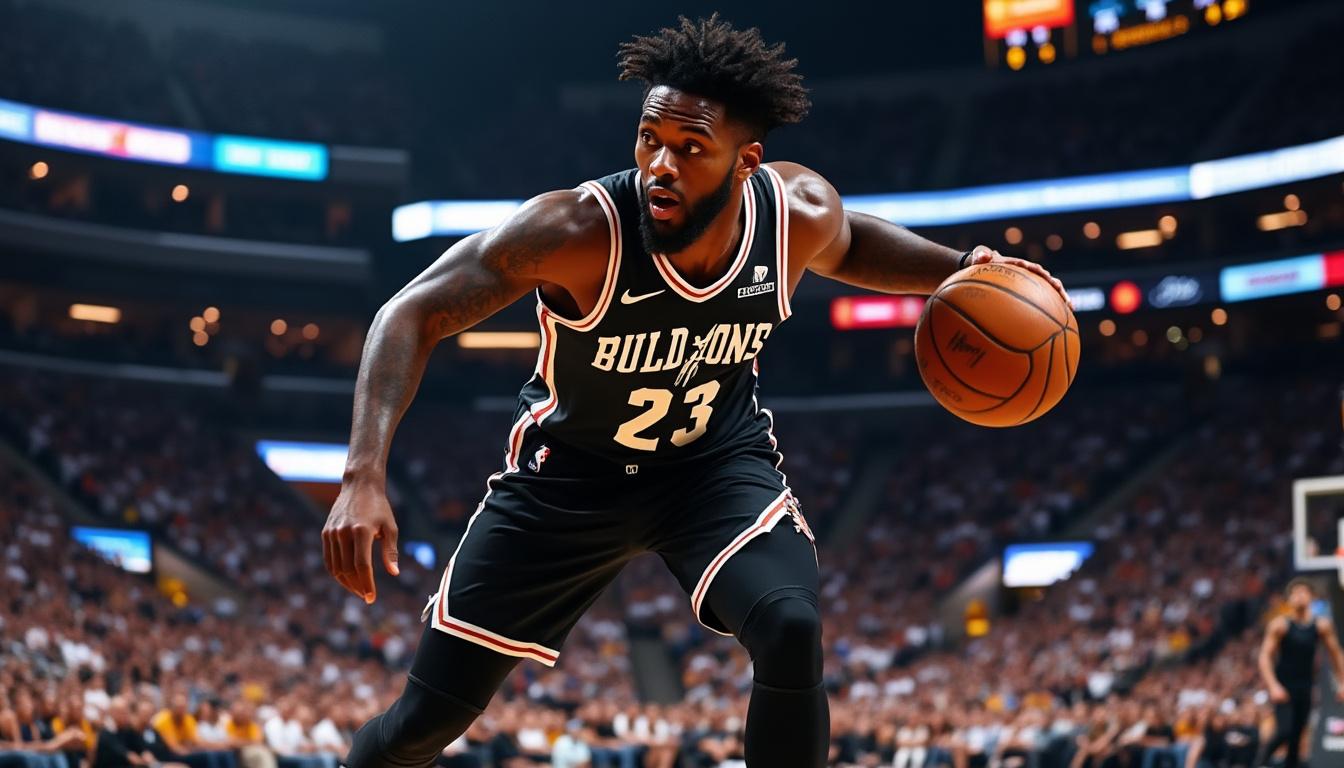
In basketball, the 2025 NBA playoffs field has been finalized following a decisive regular season concluding April 13. The SoFi NBA Play-In Tournament, slated for April 15-18, has crystallized last-minute playoff seedings, adding layers of suspense to the postseason picture starting April 19. Parallelly, European soccer’s hallmark competition, the UEFA Champions League, embraces a revolutionary format impacting qualification mechanics. The novel Swiss Model league phase has intensified every match’s weight, compelling teams to adopt adaptive strategies to evade early elimination or tough knockout playoffs. Clubs such as Liverpool and Barcelona have already secured direct Round of 16 qualifications, while traditional powerhouses like Real Madrid and Manchester City grapple precariously near elimination zones.
NBA Playoffs 2025: Teams Strategizing to Secure Progression
After a season fraught with competitive balance, the NBA’s playoff landscape settled firmly as all 30 teams completed the regular season on April 13, setting the stage for the SoFi NBA Play-In Tournament and the postseason itself. The regular season’s final day saw several pivotal matches that determined the fate of teams vying for the lower seeds of the playoffs and Play-In spots.
The Western Conference bracket features top seed Oklahoma City Thunder facing the Memphis Grizzlies, who clinched their spot via the Play-In Tournament after overcoming the Dallas Mavericks. The Houston Rockets and Golden State Warriors matchup plugs intense veteran experience against emerging younger talents, with the Rockets’ consistency placing them second. Meanwhile, the Los Angeles Lakers and Minnesota Timberwolves present a classic test of resilience, youth, and depth, creating an intriguing clash. Denver Nuggets and LA Clippers round out the top eight, promising tightly contested battles.
In the East, the Cleveland Cavaliers command the top seed, matched against the Miami Heat, who earned their playoff place after a hard-fought Play-In victory over Atlanta. The Boston Celtics take on the Orlando Magic; this matchup contrasts Boston’s tactical discipline with Orlando’s unyielding drive from a younger roster. The New York Knicks testing the Detroit Pistons in the third seed versus sixth seed encounter renews a fierce rivalry, while Indiana Pacers and Milwaukee Bucks close out the first-round slate with playoff-caliber depth and coaching acumen.
These playoff seedings emphasize not only regular-season form but also playoff readiness, with every team calibrating their rotations and strategies to balance competitive integrity and player health ahead of the grind. Teams like the Memphis Grizzlies and Miami Heat, having battled through the Play-In tournament, arrive with momentum but also risk fatigue. The postseason starting April 19 will intensely test stamina and execution, as failures to adapt quickly often culminate in early exits.
The UEFA Champions League’s Swiss Model: Reshaping Qualification Stakes
The 2024/25 UEFA Champions League has undertaken a transformative overhaul, introducing the Swiss Model league format that has revolutionized how teams approach qualification battles. Replacing traditional group stages with a vast 36-team single league, this system assigns each club seven diverse fixtures across the table, dramatically heightening the importance of every match within the tournament.
Under this design, only the top eight teams avoid the perilous knockout playoffs, advancing directly to the Round of 16—an immense advantage that teams fiercely compete to earn. Those finishing between ninth and 16th are granted seeded positions in the knockout playoffs, while the 17th through 24th ranked clubs face unseeded challenges. Teams finishing below 24th find their journey cut abruptly short, leading to early exits unprecedented in prior formats.
This restructuring demands tactical mastery, squad depth, and unrelenting consistency. Clubs cannot afford complacency or point-dropping, as the widened league table dissolves geographic or group-based solace, replacing it with a rigorous, points-based meritocracy where every result changes qualification trajectories significantly. The stakes are further amplified by global sponsorships such as Adidas and PlayStation, integrating advanced technologies and fan engagement initiatives that bring every decisive moment to life.
The Swiss Model’s novel architecture intensifies pressure on coaching staffs to optimize rotation and mitigate injuries, balancing the imperative to win against the need for sustained competitiveness later in the season. Managers are compelled to prioritize tactical flexibility and mental resilience, acknowledging that a single misstep might necessitate a costly playoff tenacity to progress.
| Position | Outcome |
|---|---|
| 1-8 | Automatic qualification to Round of 16 |
| 9-16 | Knockout playoffs (seeded teams) |
| 17-24 | Knockout playoffs (unseeded teams) |
| 25-36 | Elimination from the competition |
Critical Matchday 3 Fixtures Driving December 2025 Qualification Outcomes
Matchday 3 in the UEFA Champions League Swiss Model stands as a decisive inflection point in the December 24, 2025 qualification battles, where the stakes materialize sharply for multiple clubs fighting to secure advancement. Every fixture carries heightened tension, often presenting winner-takes-all scenarios in a competition that brooks no error.
Among the marquee clashes, Real Madrid’s duel with Juventus epitomizes the precarious position of traditional giants clawing to stay afloat. Real Madrid, energized by Kylian Mbappé’s remarkable tally of 14 goals across competitions, strives to recover lost ground and ensure qualification without the strain of playoffs. Juventus, equally desperate, must capitalize on every scoreline to escape early elimination.
Arsenal’s encounter with Atletico Madrid reveals the tactical depth required to navigate the competition’s pressures. Arsenal’s disciplined defensive record may be tested by Atletico’s precision attacking threats, exemplifying the fine lines separating certainty from uncertainty in qualification battles. Simultaneously, Paris Saint-Germain’s visit to Bayer Leverkusen highlights how injury management and squad rotation critically influence results. PSG’s reliance on emerging talent amid absences underscores evolving team dynamics worldwide.
Other pivotal matches include Liverpool’s clash with PSV Eindhoven, where even a draw offers Liverpool the comforting certainty of Round of 16 progression, and Bayern Munich’s must-win scenario against Slovan Bratislava to maintain playoff hopes alive. Atalanta and Celtic face off in an equally significant test of form and fate, while Manchester City confronts Club Brugge in a last-chance survival contest. These fixtures will echo through the league standings, impacting countless indirect qualification permutations.
Current Standings Analysis: Leaders and Strugglers in the Qualification Race
The UEFA Champions League standings as of December 24, 2025, present a fascinating tableau of agility among front-runners and fragility within the pack. Liverpool dominates with an imposing 21 points and a +13 goal difference, already securing a coveted Round of 16 slot through consistent and intelligent play. Their upcoming tie against PSV Eindhoven requires only a draw to cement group supremacy, offering psychological momentum heading into knockouts.
Barcelona, trailing closely with 18 points, has also earned an automatic berth, after showcasing offensive flair that overwhelmed Benfica 5-4 in a thrilling fixture. Arsenal, with 16 points and a +12 goal spread, edges closer to direct qualification but remains mindful of the lurking pressure from rivals pressing to close gaps rapidly.
In contrast, teams like Aston Villa and Bayern Munich teeter on the precipice. Villa’s 13 points leave them ninth, requiring a decisive win against Celtic to remain realistically competitive for a direct path. Bayern Munich’s 12 points and +6 goal difference leave their playoff fate hinging on a critical fixture versus Slovan Bratislava. Traditional giants Real Madrid and Manchester City face precarious positions just outside zones of safety, with City’s must-win game against Club Brugge determining their role in the tournament’s next phase.
| Team | Points | Goal Difference | Likely Outcome |
|---|---|---|---|
| Liverpool | 21 | +13 | Round of 16 Bye |
| Barcelona | 18 | +10 | Round of 16 Bye |
| Arsenal | 16 | +12 | Near Direct Qualification |
| Aston Villa | 13 | +4 | Must Win to Stay in Top 8 |
| Bayern Munich | 12 | +6 | Crucial Win Required |
| Real Madrid | 14 | +9 | Playoff Danger |
| Manchester City | 8 | -2 | Win or Out |
This razor-thin margin between advancement and elimination demands that teams employ a blend of strategic rigor, squad depth, and mental toughness in the closing stage of the Swiss Model league matches.
Underdogs and Mid-Table Contenders Fueling the Competition’s Drama
Beyond the usual suspects, the 2025 qualification battles have spotlighted underdogs rewriting the competition’s script. Clubs like Atalanta, Bayer Leverkusen, and Aston Villa are not merely participants but serious contenders vying to disrupt traditional rankings and secure meaningful progression.
Atalanta’s recent 5-0 dismantling of Sturm Graz and consistency in tactical execution have positioned them favorably to bypass playoffs altogether. Bayer Leverkusen, though hindered by injuries, showcases resilience by adapting their squad usage effectively, maintaining competitive performance in critical fixtures.
Aston Villa’s persistence is equally compelling; their near break into the top eight stems from calculated gameplay and exploiting key fixtures to bolster points. Meanwhile, Monaco and Feyenoord linger in the knockout playoff zones, their futures reliant on exploiting every opportunity as others falter.
In contrast, teams like RB Leipzig and Slovan Bratislava have already suffered elimination, underscoring the unforgiving nature of the current tournament format. This evolving environment has pushed every club to sharpen tactical nuances, demonstrating that qualification is a chess match played across the pitch and the season as a whole.
- Atalanta: Poised for direct knockout entry through dominant displays.
- Bayer Leverkusen: Navigating an injury crisis with tactical resilience.
- Aston Villa: Targeting breakthrough by prioritizing must-win matches.
- Monaco and Feyenoord: Poised to capitalize on rivals’ mistakes in playoffs.
- Eliminated: RB Leipzig and Slovan Bratislava, victims of format rigidity.
These mid-table dynamics add a level of unpredictability and excitement rarely witnessed, emphasizing the necessity for precision and grit in every contest.
Key Qualification Battles and Standings December 24 2025
Use the filter above to view teams by their qualification status.
For fans and professionals interested in the detailed nuances of team progression and tournament structure, analysis can be found through extensive resources such as Champions League knockout clubs overview and the latest global sports updates covering ongoing qualification battles around the world.
What is the new Swiss Model format in the UEFA Champions League?
The Swiss Model replaces the traditional group stage with a 36-team single league where each club plays seven matches. The top eight teams qualify directly to the Round of 16, teams in 9th-24th enter knockout playoffs, and those below 25th are eliminated.
How do teams approach qualification matches under this format?
Managers prioritize each match intensively due to fewer games and high stakes, focusing on squad rotation, tactical flexibility, and injury management to avoid dropping crucial points that could lead to elimination or playoff rounds.
Which teams have secured direct Round of 16 qualification?
Liverpool and Barcelona have ensured direct advancement thanks to dominant performances, while Arsenal is close to achieving a similar status with solid results.
Why are some traditionally strong teams struggling in qualification?
Several top clubs like Real Madrid and Manchester City dropped key points early, forcing them into must-win scenarios and placing their status in jeopardy in a notably competitive and unforgiving format.
How can fans keep track of ongoing qualification scenarios?
Fans can follow live coverage and expert commentary through platforms like Paramount+ and CBS Sports, as well as detailed reports and analysis on sites such as The Sports Event.