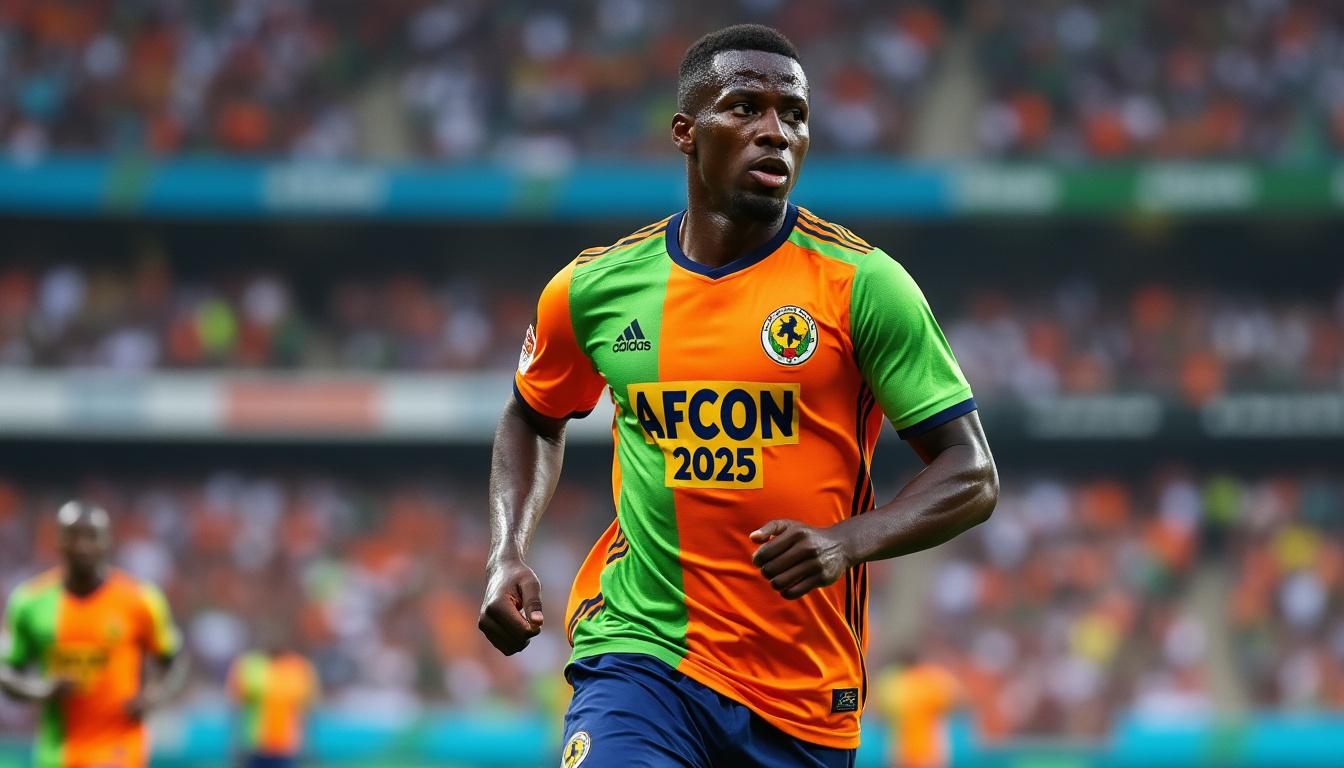

The 2026 Africa Cup of Nations (AFCON) is shaping up as a defining moment for Nigerian football. The Super Eagles, Nigeria’s national soccer team, are rallying behind a mission that transcends sport: regaining continental glory after a heartbreaking absence from the recent FIFA World Cup. This tournament hosted in Morocco presents a powerful stage for Nigeria’s football icons—both past legends and current heroes—to unite their voices and energy in unwavering support for a team rich with talent and ambition.
Nigeria Soccer has seen its emotional pulses fluctuate dramatically in recent years, particularly after narrowly missing qualification for the 2026 FIFA World Cup due to an agonizing penalty shootout loss to Democratic Republic of Congo. Yet, the African Cup offers a fresh canvas for the Super Eagles to rewrite their narrative. The football legends who once draped themselves in Nigeria’s iconic green jersey are lending their voices to inspire the current squad, acknowledging the mix of pressure and promise that colors this AFCON journey.
AFCON 2026 and the Unyielding Legacy of Nigerian Football
Nigeria’s history in the Africa Cup of Nations is unparalleled on the continent. The Super Eagles have been dominant participants, boasting three AFCON titles—a record that makes them one of Africa’s most successful teams. Beyond these victories, Nigerian Football Icons reflect with pride on five silver and eight bronze medals, illustrating not just moments of triumph but consistent excellence through decades.
What adds texture to Nigeria’s revered status is the fact that no other nation surpasses them in semifinal appearances. This remarkable consistency underlines the nation’s deep-rooted football traditions and commitment to excellence.
Under the stewardship of coach Eric Chelle, the current squad emphasizes discipline, tactical organization, and impeccable teamwork alongside raw talent. Chelle’s approach mirrors the modern demands of football; in a fiercely competitive environment such as AFCON, victory demands strategic flexibility and mental toughness, not just individual brilliance.
Nigerian Football Icons have often highlighted this evolution. The legendary Friday Elaho, who left an indelible mark in the 1990 AFCON in Algiers, has remarked on the crucial importance of thorough preparation and strong camp dynamics. He recalls the rigorous two-week training in the Netherlands before their 1990 campaign, a level of preparation he finds missing today. His call is clear: adaptation and unity are key ingredients for transforming potential into victory on the African stage.
Such calls resonate strongly against the backdrop of Nigeria’s near victory in the 2023 edition, played early in 2024. Despite a valiant run to the final, the team narrowly lost 2-1 to host nation Cote d’Ivoire. This narrow margin underscores how close the Super Eagles are to reclaiming continental supremacy.
Key to their ambition is a golden generation featuring celebrated talents such as Victor Osimhen, a prolific striker recognized as African Footballer of the Year, and Ademola Lookman, whose performances consistently lift team spirit and sharpen attack dynamics. At an average of 27 years old, this squad balances youthful vigor with a maturing sense of responsibility, ready to carry Nigeria to new heights.
Reigniting National Pride: How Football Unity Spearheads the Super Eagles’ Quest
The Super Eagles’ campaign at AFCON 2026 resonates deeply with millions of Nigerian fans worldwide who have endured the emotional rollercoaster of recent near misses and heartaches. The devastation of missing back-to-back World Cups since 1994 still lingers, heightening the stakes for the African Cup of Nations.
Football Unity is no longer just a hopeful slogan; it is a crucial element in Nigeria’s football revival. The collective energy of fans, former legends, and current players generates a potent atmosphere that motivates the team under the spotlight in Morocco.
President Bola Tinubu concretely expressed his faith in the team and called on Nigerians to rally behind the Super Eagles with renewed optimism, shifting focus from disappointment to anticipation. This political and cultural backing emphasizes the symbolic importance of the AFCON for national identity and pride.
Similarly, the Nigerian Football Icons who’ve weathered decades of African football tempest are vocal advocates for solidarity. Their presence at matches, media appearances, and support campaigns galvanize the squad, reminding players they carry not just their own ambitions but a nation’s undying hope.
Within the team, goalkeeper Stanley Nwabali echoes this collective mindset. Reflecting on the lessons learned from their runner-up finish, Nwabali stresses that AFCON represents one of the world’s largest sporting stages where winning is not just desired but expected by those who wear Nigeria’s green jersey.
Strong leadership and a shared vision are vital for the squad’s resilience, especially as they face formidable opponents in Group C: Tunisia, Tanzania, and Uganda. Slated to open against Tanzania on December 23, the team’s approach is methodical yet assertive, a blend of respect for opponents and belief in their superiority.
List of important aspects driving Nigeria’s AFCON 2026 campaign:
- Strong support from Nigerian football legends and the political leadership.
- Clear focus on teamwork, tactical discipline, and squad cohesion.
- Management of emotional pressure to maintain mental strength.
- Adaptability to diverse styles showcased by different African nations.
- High expectations fueled by a talented squad in its prime.
Super Eagles on the Field: Tactical Evolution and Key Players to Watch
The talent pool for Nigeria’s AFCON aspirations is exceptionally deep, yet recent tournaments have revealed the necessity of tactical cohesion over mere individual skill. The current Super Eagles squad has undergone a significant tactical refinement under Eric Chelle’s management.
Traditionally known for flair and offensive prowess, the team now combines that with improved defense and pressing game. Nigeria’s matches in the opening rounds, particularly the hard-fought 3-2 victory against Tunisia, showcase a team that attacks with intent but remains alert to defensive lapses.
Victor Osimhen remains the spearhead of the attack, his clinical finishing and physical presence causing problems for Africa’s best defenses. Ademola Lookman offers creativity and pace, draining opposition defenses and delivering crucial goals. Wilfred Ndidi’s contribution as a midfield anchor balances offensive surges with defensive coverage, embodying the disciplined style Chelle aims to instill.
Despite their clear attacking strengths, the Super Eagles have faced moments of vulnerability. Defensive missteps against Tunisia highlighted that concentration and game management must improve to navigate the knockout rounds, where African football’s unforgiving nature often sees single moments decide outcomes.
The coaching staff also focus on building mental toughness. Coaches have implemented psychological preparation techniques to help players manage the enormous pressure that comes from being Nigeria’s flag bearers on the continental stage.
Below is a table showcasing key players, positions, and recent form heading into and during AFCON 2026:
| Player | Position | Club (2026) | AFCON Form | Notable Strength |
|---|---|---|---|---|
| Victor Osimhen | Forward | Napoli | 3 Goals, 2 Assists | Clinical Finishing & Physicality |
| Ademola Lookman | Winger | Leicester City | 2 Goals, 3 Assists | Speed & Creativity |
| Wilfred Ndidi | Defensive Midfield | Leicester City | Strong Defensive Midfield Presence | Interceptions & Tackling |
| Stanley Nwabali | Goalkeeper | VfL Wolfsburg | Key Saves in Group Matches | Agility & Leadership |
AFCON 2026: Nigeria’s Path Forward on the Continent’s Biggest Stage
The road through AFCON 2026 is punctuated by challenges that test every team’s resilience, and Nigeria’s journey is no exception. As a top contender drawn in Group C alongside Tunisia, Tanzania, and Uganda, the Super Eagles have started strong with critical victories, securing early qualification to the knockout stages—an achievement that fuels optimism and fan support.
But the path grows tougher ahead. North African football giants such as host Morocco and Egypt have impressed with their tactical discipline and home advantage. The proximity and familiarity of the hosts with local conditions often create an atmosphere that affects team performances. Nigeria must leverage its experience, talent, and unity to break through these regional powerhouses if they are to claim their fourth AFCON title.
Former international Tijjani Babangida emphasizes the notion of redemption in this run. For a nation stung by recent World Cup misses, lifting the AFCON trophy would symbolize not just a victory on the pitch, but a revitalization of Nigerian football’s standing across Africa and the world.
Click here to read more about how Nigeria’s Football Icons are sparking hope and unity for the national team.
Alongside on-field preparation, the huge backing from fans globally fosters a spirit of togetherness that lifts the players. This AFCON campaign is a collective effort—a fusion of legacy, talent, and national pride converging for a shot at continental glory.
AFCON Support and the Power of Nigerian Football Icons Behind the Super Eagles
Africa’s premier football tournament is far more than a sporting event; it encapsulates culture, identity, and hope. Nigerian Football Icons—former stars turned mentors, commentators, and ambassadors—have played an essential role in galvanizing support and confidence ahead of AFCON 2026. Their stories from past AFCON glories serve as motivation, illustrating resilience and the power of unity.
These legends consistently emphasize that the essence of Nigerian soccer lies in teamwork, belief, and the hunger to bring the trophy home. They advocate that the current Super Eagles squad must translate talent into cohesion, patience, and strategic execution.
President Bola Tinubu’s enthusiastic support underscores this message, a potent reminder that football in Nigeria intertwines politics, culture, and mass sentiment.
This widespread AFCON support brings together a nation across continents and generations. From backyard kickabouts in Nigeria’s towns to the grand stands in Morocco’s stadiums, an intangible wave of encouragement fortifies the Super Eagles’ resolve.
Soccer Legends past and present serve as living textbooks for the young players—highlighting struggles, triumphs, and the enduring spirit that defines Nigeria’s football identity. Their presence provides assurance that the Super Eagles are not alone; they carry the legacy of millions who believe in the power of a united Nigerian team.
What does AFCON 2026 mean for Nigerian football?
AFCON 2026 represents a chance for Nigeria to restore pride and achieve continental success after missing the 2026 FIFA World Cup, highlighting a pivotal moment for the Super Eagles.
Who are the key players to watch in Nigeria’s squad?
Key players include Victor Osimhen, Ademola Lookman, Wilfred Ndidi, and Stanley Nwabali, whose performances will be crucial during the tournament.
How are Nigerian Football Icons supporting the Super Eagles?
Football legends and former stars are uniting to motivate the team and fans alike, emphasizing unity, discipline, and resilience.
What challenges does Nigeria face in AFCON 2026?
Nigeria must navigate tough opponents from North Africa, improve defensive consistency, and manage the weight of national expectations to succeed.
Where can I follow Nigeria’s AFCON 2026 journey?
Fans can follow match updates, squad news, and detailed analyses through sports media, official Nigerian Football channels, and platforms like Pulse Sports.