
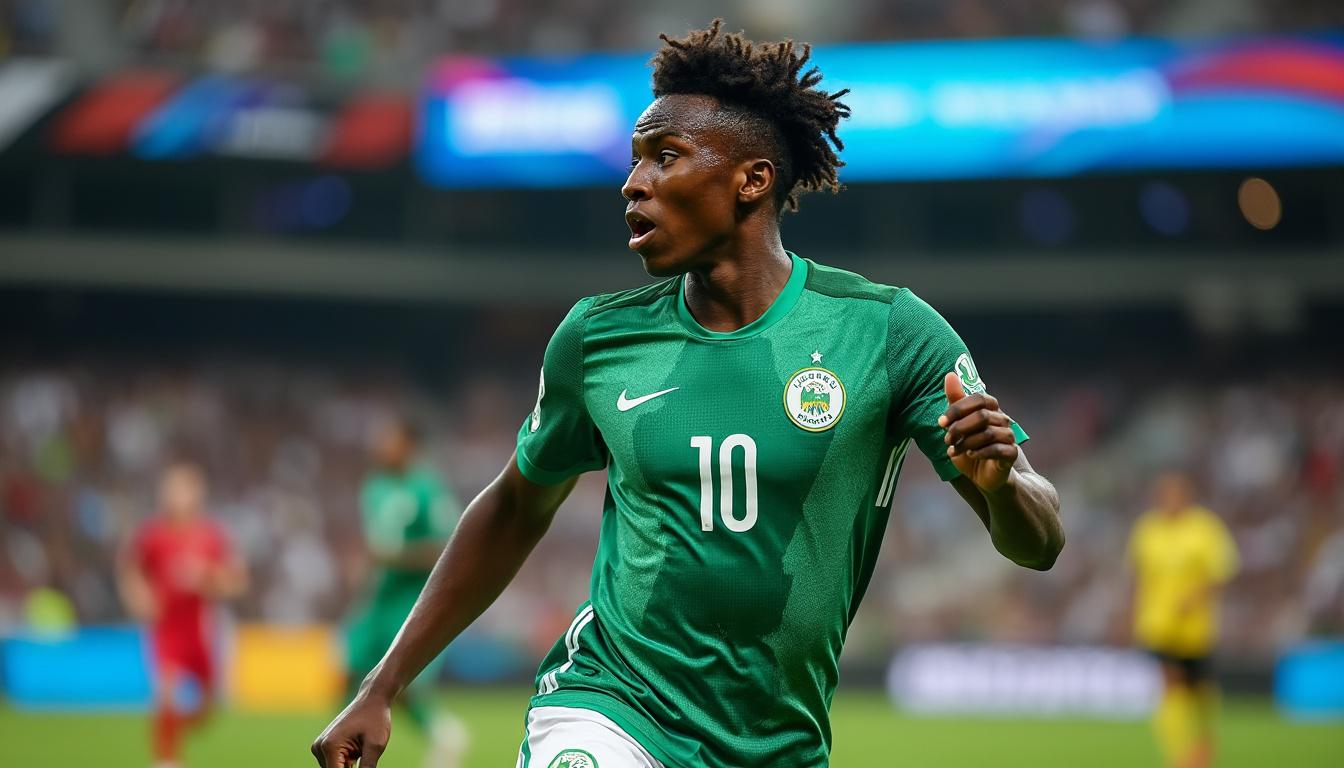
The journey toward the 2026 FIFA World Cup has sparked a complex tapestry of emotions among Nigerian football fans. While the Super Eagles’ path to qualification features legal battles and team struggles, many supporters are channeling their passion toward foreign teams. This trend reflects a mix of historical context, diaspora influence, and the desire to witness consistent high-level football. Beyond fandom, these shifts have profound implications on sports betting in Nigeria, where betting patterns and odds increasingly reflect Nigerian preferences for global powerhouses. As the tournament approaches, understanding these evolving dynamics offers a rich lens into Nigerian fan behavior, football analytics, and betting trends.
Key Points at a Glance:
- Nigerian football fans are showing increasing affinity for foreign teams due to challenges facing the national squad’s qualification efforts.
- Legal disputes over player eligibility reveal significant governance challenges impacting Nigeria’s 2026 World Cup hopes.
- Sports betting Nigeria experiences a surge with evolving preferences impacting betting markets and odds, especially ahead of the World Cup.
- International football dynamics, diaspora connections, and local frustrations intertwine to shape Nigerian fan and punter behavior.
- The complex World Cup qualification scenario exposes systemic issues and highlights opportunities for reform in Nigerian football administration.
Why Nigerian Football Fans Are Gravitatating Toward Foreign Teams in the 2026 World Cup
Nigerian football fans have long been passionate supporters of the Super Eagles, a team boasting a storied presence on the international stage. However, the current pathway to the 2026 World Cup has brought uncertainty and disillusionment. The Nigerian Football Federation’s recent legal challenge against the Democratic Republic of Congo (DR Congo) — citing player ineligibility due to conflicting nationality laws — has overshadowed on-field efforts. This controversy, combined with a qualification track fraught with inconsistencies, has left many fans looking elsewhere to satisfy their football enthusiasm.
This shift transcends mere disappointment. Nigerians increasingly find emotional fulfillment in rooting for internationally renowned teams like Brazil, Germany, France, and Argentina, teams that historically have demonstrated consistent World Cup performances and star-studded lineups. This preference not only stems from competitive excitement but also reflects the intertwined global identities of many Nigerians, especially those living abroad.
Within Nigerian diaspora communities, support for foreign national teams is often a natural result of their environments, where local leagues and football cultures influence allegiance. For example, Nigerians residing in Europe may closely follow UEFA championships, developing affinities for European giants through familiarity and shared cultural spaces. Additionally, these foreign allegiances often extend beyond the World Cup to club football, strengthening lifelong fan relationships.
Furthermore, football’s universal appeal means Nigerian fans proudly embrace the sport as a global language bridging nations. For many, supporting a foreign team during the World Cup offers a vicarious thrill and a chance to witness excellence uninterrupted by local controversies or administrative uncertainties. This dynamic reveals how football serves as an outlet for identity, hope, and passion amid challenges at home.
Such preferences influence fan discourse, social media engagement, and importantly, World Cup betting behavior. Betting markets observe increased wagering activity on foreign squads as Nigerian bettors channel hopes and strategic gambles on teams perceived as more reliable and competitive in the 2026 tournament. This phenomenon shapes betting odds and market liquidity, underscoring the cultural and economic impact of Nigerian fan choices in the football betting ecosystem.
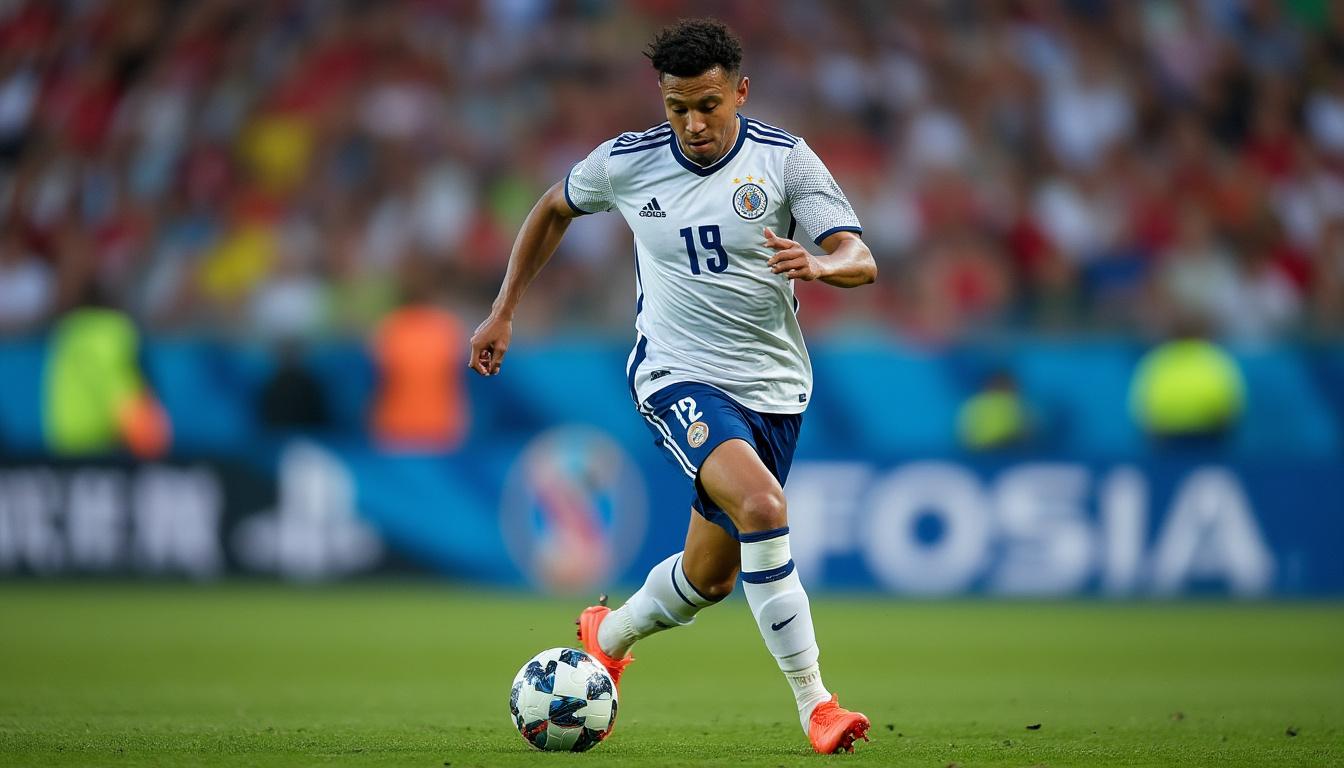
Emotional and Practical Factors Driving Foreign Team Preference
The emotional rollercoaster of Nigerian football fans over recent qualification cycles has been shaped by numerous setbacks — from missed tournaments to internal disputes within football governance. Notably, frustrations over inconsistent performances and perceived administrative weaknesses have dampened enthusiasm for the national team.
Simultaneously, the global football landscape offers foreign teams with stable structures, transparent governance, and clear progression pathways in the World Cup. The Super Eagles’ ongoing legal challenges, like the eligibility dispute involving DR Congo, contrast against this backdrop, encouraging fans to place trust in more stable entities.
Additionally, younger fans view football through a digital and international lens, often idolizing foreign stars, which further encourages allegiance toward foreign teams. The rise of streaming platforms and social media exacerbates this effect, delivering high-quality content from leagues like the English Premier League, La Liga, and Bundesliga directly into Nigerian homes.
Legal Entanglements and Their Impact on Nigeria’s 2026 World Cup Qualification Aspirations
The path to the 2026 World Cup has not only challenged Nigerian pride on the pitch but also highlighted complex legal and governance struggles off of it. Central among these is Nigeria’s formal complaint relating to alleged player ineligibility on the part of DR Congo. The Nigerian Football Federation argues that several DR Congo players hold dual nationalities in contravention of both FIFA regulations and DR Congo’s domestic citizenship laws.
This issue has illuminated the challenges at the intersection of international sporting rules and national legislations. FIFA’s regulations prioritize sporting nationality based on players’ passports and prior representations, allowing for nationality switches under carefully outlined scenarios. In contrast, DR Congo’s domestic laws restrict dual citizenship, creating a regulatory conflict that complicates eligibility verifications.
The NFF’s petition argues that DR Congo might have provided incomplete or misleading documentation to FIFA, potentially casting doubt over certain match results that influence qualification standings. Should FIFA side with Nigeria, the Super Eagles may receive a reprieve in the qualification campaign, possibly reshaping the tournament’s African slots.
This legal battle underscores broader administrative shortcomings in African football governance. Without harmonized international and national regulatory frameworks, qualification processes become vulnerable to disputes that dampen competitive fairness. These intricate adjudications intensify fan emotions, generate widespread media coverage, and ripple through betting markets as futures on qualification scenarios fluctuate unpredictably.
Governance Implications and Potential Outcomes
Should FIFA validate Nigeria’s claims, it would mark a significant precedent, triggering stricter scrutiny over many African teams’ player eligibilities. This could disrupt the qualification landscape, necessitating more rigorous compliance mechanisms across federations.
Nigeria’s unfolding experience serves as a cautionary tale prone to stimulate reforms aimed at harmonizing player eligibility standards and governance transparency. The potential shift in Nigeria’s qualification status also impacts betting patterns, as odds for African group outcomes would adjust to new realities.
Understanding these dynamics helps dissect the intersection of law, football performance, and fan expectations heading into the 2026 World Cup.
Sports Betting Trends in Nigeria Driven by Global Football Preferences and Local Uncertainty
The surge in football enthusiasm in Nigeria is paralleled by remarkable growth in sports betting, particularly as the 2026 World Cup draws near. The interplay between national team uncertainties and expanded interest in global football is reshaping sports betting Nigeria markets across local and international operators.
Nigerian bettors historically favored the Super Eagles; however, inconsistent qualification progress has spurred a shift toward more reliable foreign teams. This shift is well documented, with bookmakers reporting increased wagers on countries with consistent international success.
Key factors influencing this trend include:
- Betting Reliability: European and South American teams provide more data and predictable outcomes for informed wagers.
- Exposure: Regular access to matches involving top-tier foreign clubs and national teams improves bettors’ confidence in selecting those teams.
- Emotional Engagement: High-profile players and storied histories generate excitement and motivate bets.
This evolving landscape has adjusted betting odds within Nigerian markets, compelling bookmakers to factor in the preferences of Nigerian bettors, leading to varying odds that are skewed toward foreign teams’ favored positions. Meanwhile, the Super Eagles’ odds are subject to wider fluctuations, influenced by the uncertain qualification process.
| Team | Average Betting Odds (Nigerian Markets) | Popularity Among Nigerian Bettors |
|---|---|---|
| France | 3.8 | High |
| Argentina | 4.0 | Very High |
| Spain | 5.5 | Moderate |
| Nigeria (Super Eagles) | 8.5* | High* |
| Germany | 6.0 | Moderate |
*Subject to qualification confirmation
The betting community reflects an intricate blend of hope and pragmatism. Nigerian bettors demonstrate smart strategies, combining knowledge of local team developments with international football analytics to maximize return chances. This behavioral shift not only creates new opportunities for betting operators but also deepens the cultural resonance of the World Cup among Nigerian sports fans. For further insights into these evolving trends, interested readers can consult 2026 World Cup insights Nigerians betting foreign teams popular trends.
How Nigeria’s Football Culture and Diaspora Influence Betting and Team Preferences
Nigeria’s football culture is a powerful and unifying force, permeating urban and rural communities alike. The preference for foreign teams amid the 2026 World Cup extends beyond sporadic allegiances—it symbolizes the effect of a broad cultural evolution shaped by migration, technology, and football professionalism.
Traditional support for the Super Eagles runs deep, but the ongoing struggles with qualification and governance have prompted many Nigerians, especially the youth and diaspora populations, to embrace foreign teams as a source of inspiration and excitement.
Modern media platforms allow fans to engage with global football in real time, heightening the appeal of top international stars and competitions. Nigerians living abroad blend their cultural pride with local affiliations, creating hybrid identities where football acts as a shared passion.
This dual identity also informs sports betting habits. Fans often place bets on teams they are emotionally connected to while balancing the practical outlook of betting markets and odds. This duality reflects sophisticated football insights and analytics by Nigerian bettors, who combine passion with data-driven decisions.
The 2026 World Cup hosted across North America offers a global stage that enhances these transnational connections, uniting fans worldwide and defying simplistic national boundaries. Nigerian football culture today exemplifies this global-local dynamic, revealing how national pride coexists with cosmopolitan enthusiasm.
Tracking Nigeria’s Potential Outcomes in the 2026 World Cup and What It Means for the Future
The uncertainty surrounding Nigeria’s 2026 World Cup qualification partially results from both on-field challenges and off-field legal battles. Should FIFA validate NFF’s claims against DR Congo and overturn contested results, Nigeria might secure an improbable qualification pathway via administrative recourse.
Such an outcome would highlight the necessity for structural reform in Nigeria’s football governance, underscoring the need for transparent processes, meritocratic team selections, and compliance with international standards.
The broader African context also faces evolving scrutiny as FIFA and CAF enforce regulations more strictly, potentially shifting qualification paradigms for many nations in coming years.
From the Nigerian football fan perspective, these turbulent events are entwined with hope and resilience. Fans understand that football is about more than just victories—it embodies identity, collective memory, and determination to persevere despite setbacks. This deep-rooted passion ensures Nigeria remains a vibrant part of the global football narrative.
For those looking to explore the intersection of Nigerian fan preferences and international football betting trends in depth, additional resources such as 2026 World Cup insights Nigerians betting foreign teams popular trends provide comprehensive analyses.
Why do many Nigerian football fans support foreign teams during the World Cup?
Many Nigerian fans turn to foreign teams due to frustration with Nigeria’s inconsistent World Cup qualification record and seek to engage with teams that show more consistency and star power on the global stage.
What is the central legal issue with Nigeria’s World Cup qualification for 2026?
Nigeria has filed a protest against DR Congo alleging that some players fielded by DR Congo held dual nationality illegally, violating both FIFA and DR Congo’s nationality laws, which could affect match outcomes.
How have Nigerian sports betting trends changed leading up to the 2026 World Cup?
As Nigeria’s qualification journey became uncertain, bettors increasingly wager on foreign teams with steadier prospects, influencing betting odds and betting patterns in Nigerian markets.
What could a favorable FIFA ruling for Nigeria mean for African football?
It could prompt stricter scrutiny of player eligibility across African teams, increase governance reforms, and potentially alter qualification results for the 2026 World Cup and beyond.
Where can fans learn more about Nigerian fan preferences and betting trends related to the 2026 World Cup?
Detailed insights are available in specialized analyses, including at Opinion Nigeria, which offers comprehensive coverage of why Nigerians bet on foreign teams and key sports betting trends.