
Marquinhos stands at the heart of Paris Saint-Germain’s Champions League dreams. For a decade, he’s been the club’s steadfast captain, but never has his presence felt so pivotal as it does heading into Saturday’s final against Arsenal. The Brazilian isn’t just leading his side out in Budapest. He’s walking onto the pitch with an advantage that could prove decisive, and fans know it.
Arsenal’s players have been run ragged in a season that’s stretched them to 63 games. Marquinhos, by contrast, is fresher than any rival in red and white. The numbers tell the story: among those who started the semi-final second legs. Arsenal’s starting eleven have amassed nearly 7,000 more league minutes than their PSG counterparts, a staggering 6,726 minutes, to be exact. Fixture congestion has become the villain of every supporter’s nightmares. PSG’s captain is the poster boy for the benefits of careful rotation.
None of this happened by accident. Luis Enrique, with the backing of PSG’s Qatari owners and their deep pockets, has rested his stars with almost ruthless discipline. Between 13 February and 19 April. Marquinhos didn’t play a single league minute, sitting unused on the bench for seven straight matches. Yet in the Champions League during that exact stretch, he played every second of PSG’s six fixtures. Ligue 1 was managed, but Europe was the target.
Fans in both Paris and London have taken notice. Arsenal supporters are proud of their side’s relentless drive for four trophies, but anxiety is creeping in about the toll it’s taken. Their team has played more matches, pushed harder in every competition, and now arrives at the final with legs that have seen too many sprints and too few rests. Meanwhile. PSG’s captain looks like he’s been wrapped in cotton wool and unleashed only when it matters most.
PSG’s Captain vs Arsenal’s Warhorses: What the Numbers Say
For many, this 7,000-minute difference is the defining stat of the final. It’s about more than squad management, it’s about club identity. Arsenal, with their never-say-die attitude, epitomise English grit. PSG have embraced a philosophy that values freshness and tactical rotation.
Marquinhos has started 14 Champions League games this season, the same number of league appearances he’s made, including just 11 starts. In Ligue 1, he was often an onlooker, a luxury that infuriates rivals and delights the PSG faithful. Europe is where legends are made, and the captain was being saved for these nights.
Ousmane Dembele, another PSG star, completed a full 90 minutes in the league just once in 22 appearances. Some of that was down to injury, but much was due to deliberate rotation. Khvicha Kvaratskhelia played the whole league game only twice in 28 matches. PSG’s relentless cycling of their stars, made possible by immense squad depth, has allowed their best to hit the Champions League at full throttle, not on fumes.
Arsenal’s stamina and commitment have been sources of pride. Still, fans can’t ignore what the stats are shouting. PSG have scored 44 Champions League goals to Arsenal’s 29. Their possession and pass completion rates are among Europe’s best. The difference isn’t just about tactics or style. It’s about energy, sharpness, and the ability to pounce when the moment arrives.
Debate rages in fan circles and online forums. Is it better to fight every battle, as Arsenal have, or save yourself for the war, as Marquinhos and PSG have done? Some believe the Gunners’ resilience will see them through. Others argue that the fresher legs and minds in blue will prevail. A single slip, a mistimed tackle or a late run could decide a final years in the making.
For those interested in how these tactical approaches might shape the final outcome, especially with the 2026 FIFA World Cup looming on the horizon, there’s growing curiosity about how high-intensity football impacts results and fatigue. Fans can find insights on the effect of pressing teams on match outcomes and what it might mean for the world’s best.
Supporters looking for more context about how these clubs build squads and manage seasons have also been comparing the odds and strategies of top English teams. For those following the latest trends in the domestic game, it’s possible to see how bookmakers assess the English game and whether Arsenal’s ironman approach earns them respect outside their own fanbase.
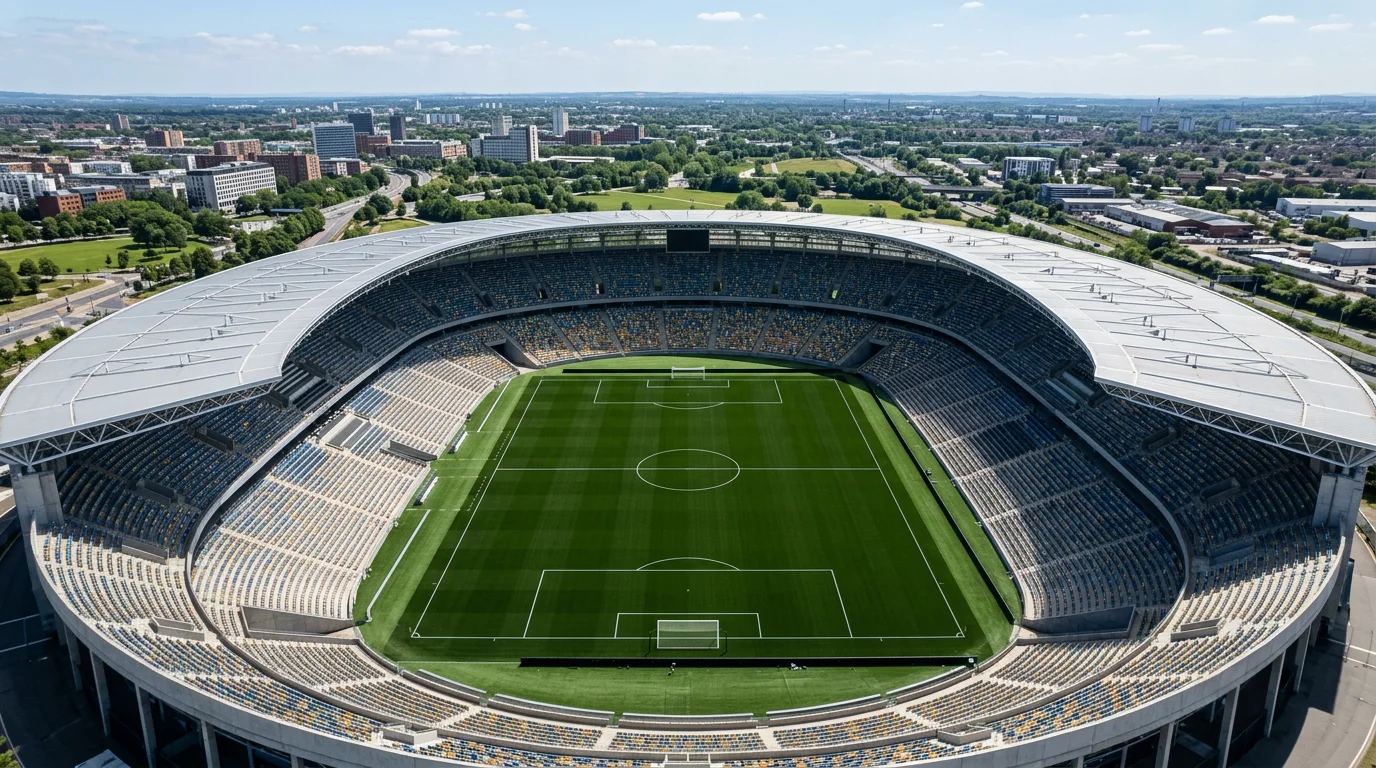
As Marquinhos leads PSG out at the Puskas Arena, every supporter will be watching to see if those carefully preserved minutes turn into the ultimate prize. The Brazilian’s legs, rested by design, are about to carry the hopes of Paris across the white line one last time this season.