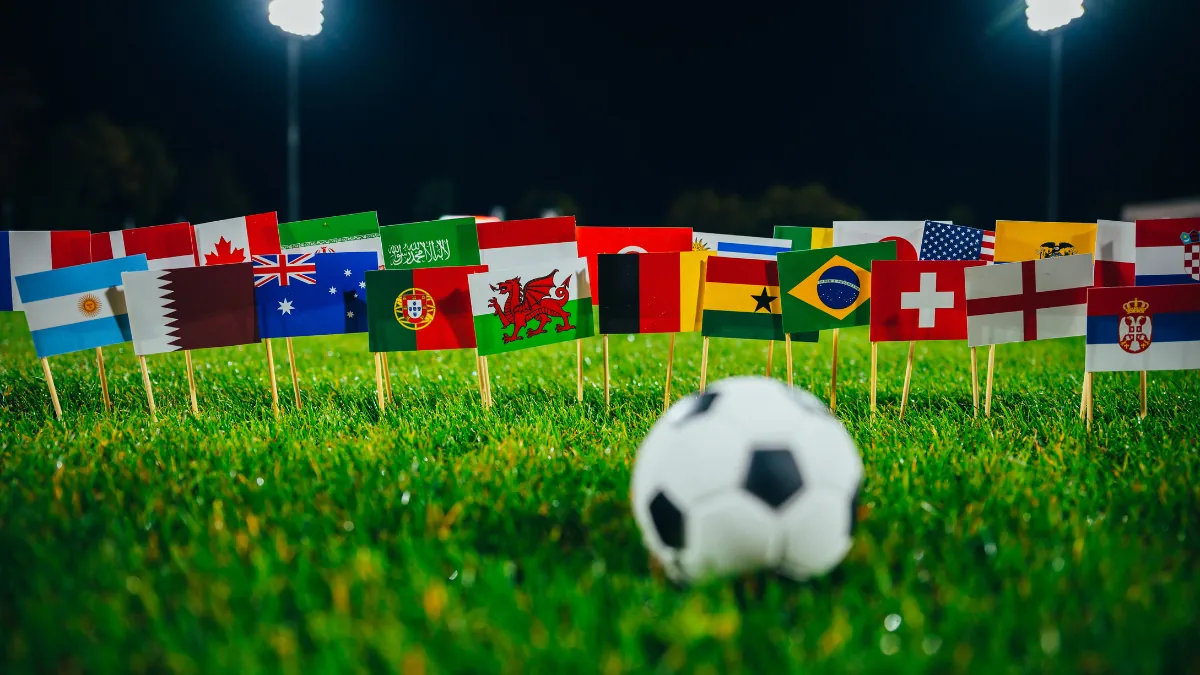


The inaugural FIFA World Cup in 1930 featured just 13 invited teams, their numbers limited by daunting logistics and long sea voyages. Over the decades, the tournament has transformed into the world’s premier sporting spectacle. Participation has grown steadily, and the geographic diversity of contenders has broadened with each cycle. Now, the 2026 World Cup will welcome 48 nations, the largest field in history. This expansion continues a long-running trend that is reshaping the tournament’s competitive landscape, both tactically and statistically.
Each increase in the number of teams has shifted the tournament’s statistical makeup. For much of its history, a handful of countries dominated both appearances and deep runs: Italy. Germany. Brazil, and Argentina set the early standards, collecting multiple titles and rarely missing out on the finals. Debutant teams in those eras often struggled, facing a steep learning curve. Their records show lower average points per game, more goals conceded, and frequent early exits.
Expansion after the 1970s, first to 24 teams in 1982 and then to 32 in 1998, started to change the picture. African and Asian nations began to appear more regularly, and their performances improved. Côte d’Ivoire’s run in the early 2010s stands out. Qualifying for three consecutive tournaments, they combined defensive discipline with attacking flair, defying the usual struggles of newcomers.
Quantifying the Impact of Tournament Expansion: 2026 and Beyond
The 48-team format for 2026 brings more than just symbolism. It will alter match strategy, squad rotation, and the statistical profile of both group and knockout stages. With more teams, variance increases. Upsets and underdog runs become more likely, but the average FIFA ranking of participants drops, shifting the baseline for metrics like goals per game, clean sheets, and points needed to advance.
Côte d’Ivoire’s return after missing two editions is a notable storyline in this context. The team did not concede a single goal in 10 qualifying matches, a defensive record few can match. Their tactical approach, usually a 4-3-3 that can shift to a back three, is built on defensive strength and quick transitions. The squad draws heavily from Europe’s top leagues, and coach Emerse Faé prefers to unleash his wingers on the counterattack.
Their group stage schedule underscores the tournament’s global reach. Côte d’Ivoire will face Ecuador and Curaçao in Philadelphia, a setting far removed from the traditional European and South American venues that once defined the World Cup. The 2026 edition will use 16 stadiums across the United States. Mexico, and Canada, another record. BC Place in Vancouver, which drew over 53,000 fans for the 2015 Women’s World Cup final, will again be a focal point, highlighting North America’s growing role in the sport’s infrastructure.
A more diverse field introduces new variables for analysts and fans. Historically, debutant nations from regions with little World Cup pedigree have averaged fewer points per group match and rarely advanced. Yet recent results suggest the gap is narrowing. Côte d’Ivoire’s 1-0 win over Scotland and 4-0 victory over South Korea in March hint that this generation may outperform the historical averages for debutants and returning teams.
Tracking every nation in World Cup history requires attention to detail. Official country names at the time of participation matter, especially with political changes like the breakup of Yugoslavia or Czechoslovakia. Successor states add complexity to the statistical record, but they also enrich the tournament’s history. For quiz enthusiasts and historians, these nuances are essential.
Ten days remain until the 2026 tournament kicks off, and the list of participants is more varied than ever. New statistical benchmarks, tactical innovations, and the possibility of underdog stories are all in play. Côte d’Ivoire’s federation president has set the bar high: a quarterfinal appearance, six matches, a feat achieved by only a select few African nations.