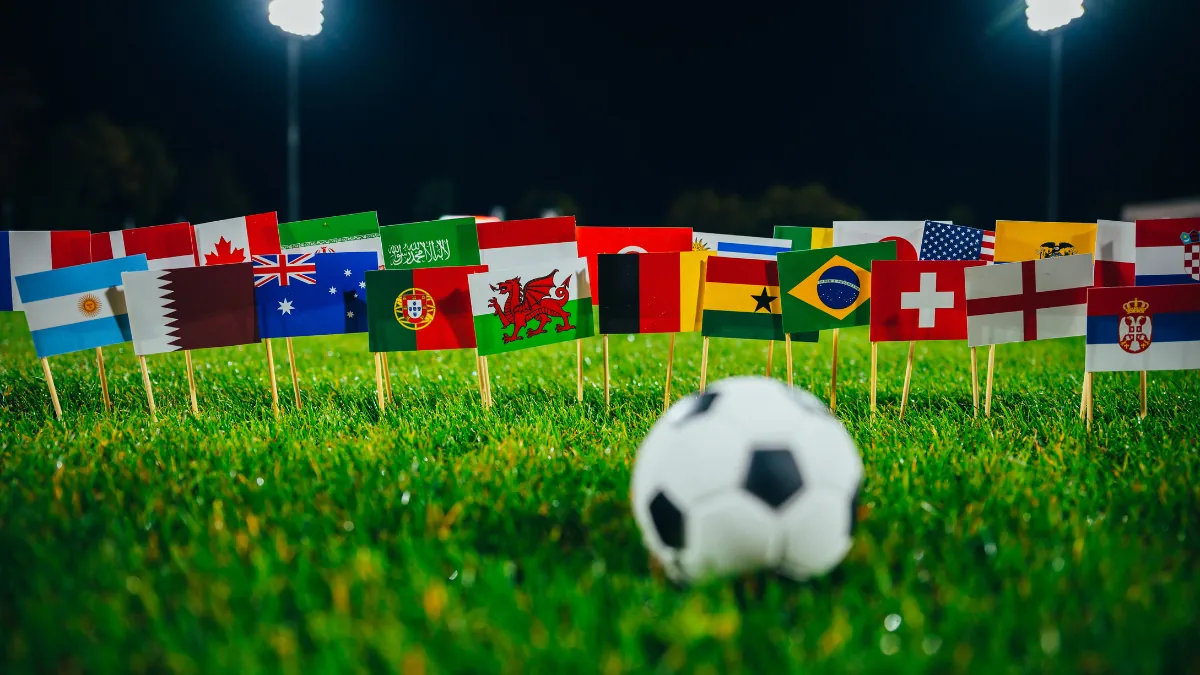


Eleven players with ties to the English Football League are set to feature at the 2026 World Cup, sparking renewed interest from clubs and scouts focused on transfer fees, contract durations, and squad-building costs.
World Cup exposure reliably drives up player valuations. Clubs across Europe and beyond are monitoring contract statuses, preparing for strategic moves in the summer window. These 11 players, representing a range of club backgrounds, stand as both current assets and potential windfalls for their employers.
For clubs, the equation goes beyond on-field contributions. A breakout World Cup can accelerate negotiations, trigger release clauses, or force contract renegotiations to protect future resale value. EFL sides, often operating on tight margins, face both risk and opportunity as the tournament unfolds.
World Cup Debuts. Contract Questions, and Transfer Prospects

Cape Verde’s first appearance at the tournament is as much about business as it is about football. The squad, drawn from 25 clubs in 14 countries, features players whose profiles and market values could soar if the team surprises in Group H. Technical forwards Ryan Mendes. Willy Semedo, and Jovane Cabral headline the attack, each with contracts that could become bargaining chips if their performances attract attention. With many of these players affiliated to clubs outside the traditional power leagues, any transfer movement could involve complex negotiations around third-party ownership and sell-on percentages, a familiar challenge for talent from emerging football nations.
Villarreal centre-back Logan Costa is the financial wildcard. Sidelined this season by an ACL tear. Costa remains Cape Verde’s highest-value asset. If he returns to fitness, his performances could revive stalled contract talks or prompt summer bids. Any transfer fee will reflect both his potential and the medical risk, a calculation already shaping club approaches.
Spain’s squad, settled under Luis de la Fuente, offers little room for transfer speculation among its core. Yet the omission of Lamine Yamal, recovering from a hamstring injury, and Nico Williams, who has seen limited club action, introduces uncertainty. Clubs tracking Yamal are watching his recovery closely. A fit and in-form youngster at a major tournament could command a significant premium or prompt a preemptive contract extension from his current club. While most of Spain’s squad is insulated from last-minute transfer drama by long-term deals and high buyout clauses, depth options could use the World Cup as a springboard for moves to higher-profile leagues.
Chris Wood, captain of New Zealand and Nottingham Forest striker, draws plenty of attention from transfer watchers. He brings Premier League pedigree but also recent injury risk. Clubs seeking experienced forwards on a manageable transfer fee are scrutinizing Wood’s contract details, including remaining term and any release clauses. Should he deliver against Iran. Egypt, or Belgium in Group G. Forest could face bids that test their valuation, especially from mid-tier European clubs eager for proven goal scorers. The club must weigh the immediate financial gain from a sale against the longer-term value of retaining a player with global recognition.
Contract security and wage structures become flashpoints for EFL clubs after the World Cup. Players returning with enhanced reputations may seek improved terms, forcing clubs to choose between renegotiation and cashing in. For those with expiring deals, the tournament serves as a global shop window, increasing the risk of losing talent on free transfers if new agreements aren’t reached quickly.
EFL clubs are also scouting potential targets from nations like Cape Verde and New Zealand, where undervalued talent may be available at relatively low cost before the market adjusts post-tournament. Scouting departments face pressure to act quickly, as strong World Cup performances can rapidly inflate asking prices and attract new suitors with deeper pockets.
Anyone tracking the financial implications of the World Cup should review market odds and predictions for the so-called groups of death. Unexpected progress by underdog teams often translates directly into higher player valuations and increased transfer activity.
Fitness and availability of players like Logan Costa and Chris Wood remain unresolved questions. Their performances, or absence, could dramatically alter the transfer calculus for both buying and selling clubs, with medical reports likely to shape final negotiations.