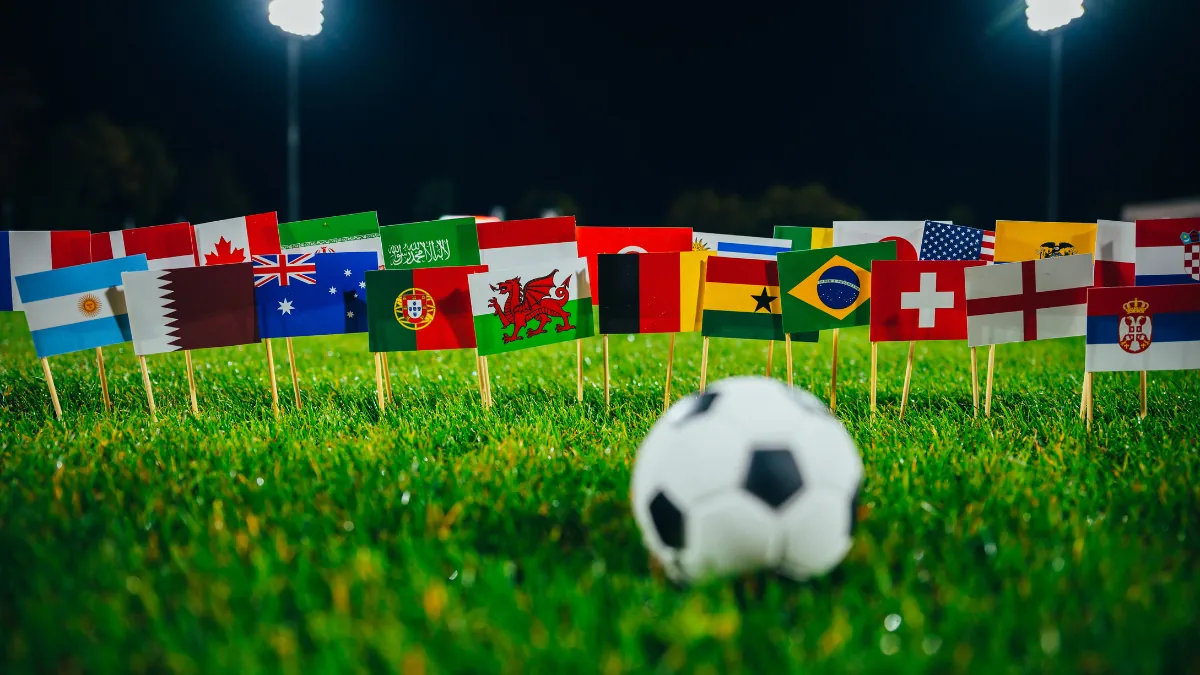


Twenty emerging players are set to command the attention of scouts and club executives as the 2026 World Cup opens this week. Transfer fees and contract value will dominate business discussions across the football landscape.
With the expanded 48-team format launching in Mexico City and the final set for New York/New Jersey, young talents have a bigger stage than ever to boost their market valuations. Clubs and agents are bracing for a fiercely competitive transfer window, knowing that breakout performances could send fees skyrocketing for the game’s next stars.
Financial stakes are enormous. The last World Cup generated an estimated $7.5 billion in revenue, and the larger field is designed to further swell FIFA’s coffers while shining a spotlight on lesser-known players. A single standout performance can double or triple a player’s value. Ticket prices have hit record highs, and FIFA is collecting a 30 percent fee on resale tickets, sharpening the focus on every commercial opportunity.
Speculation is already swirling about which players could see their contract situations transformed by a strong tournament. Cristiano Ronaldo headlines the event, likely for the last time, as Portugal’s squad leans on his experience. Yet the real transfer intrigue surrounds the next generation. Portugal’s João Neves and Matheus Nunes, for example, have shown they can adapt to both defensive and midfield roles. Their versatility in Roberto Martínez’s lineup could make them even more attractive to top European clubs if they shine in the group stage.
Rising Values: Newcomers and the Business of Breakout Performances

More teams and fixtures mean more chances for under-the-radar players to catch the eye and command higher transfer fees. African nations, with ten qualifiers this year, see the tournament as a showcase for talent that has often been overlooked in the transfer market. Former Cameroon international Joseph-Antoine Bell points out that Africa’s deep pool of players hasn’t always translated to global success or maximum financial return. Morocco’s run to the 2022 semi-finals, along with consistent qualifiers like Senegal. Côte d’Ivoire, and Egypt, has European clubs watching closely for breakout stars who could spark bidding wars.
Top clubs are already monitoring group stage fixtures for early signs of players who offer both on-field impact and commercial upside. Diogo Costa. Rúben Dias. Nuno Mendes, and Vitinha are considered “untouchable” in Portugal’s core, and strong performances could only reinforce their status as high-value assets, whether for retention or for lucrative outbound transfers. For those on the fringes of their national squads, even a handful of impressive appearances could lead to contract renegotiations or surprise moves, as seen in previous tournaments when relatively unknown talents landed big-money transfers after World Cup exposure.
Commercial interests stretch well beyond player sales. National team performances drive merchandise, sponsorships, and broadcast rights deals. Clubs are eager to leverage the global spotlight for their own brand-building. Mascots and promotional campaigns, like Canada’s moose Maple and the US’s eagle Clutch, reflect the tournament’s broader commercial ambitions, even as their marketing effectiveness sparks debate.
For a deeper dive into how the new format shifts odds and transfer business, readers can review changes in the World Cup’s competitive dynamics. These shifts can influence scouting priorities and club investment decisions.
A single-elimination knockout stage after the group phase injects even more unpredictability. Players who deliver in high-pressure moments could see their transfer value soar. Historically, a decisive performance in the final 30 minutes of a crucial match has changed both tournament outcomes and the size of subsequent transfer deals. Clubs now rely on advanced analytics to identify these clutch performers in real time, reshaping how transfer budgets are allocated during and after the World Cup.
The expanded format also gives underdog teams and their players a rare global showcase. With 12 groups and new nations like Jordan and Curaçao joining the field, previously overlooked talents could suddenly find themselves fielding contract offers far above their pre-tournament valuations. Clubs looking to exploit these market inefficiencies are tracking fixtures closely and may review live match data for late-game impact players who fit their roster needs and financial strategies.
For agents and directors of football, the 2026 World Cup is more than a sporting spectacle. It’s a critical moment to secure advantageous deals, optimize squad value, and shape club balance sheets for seasons to come. When the first whistle blows on June 11, the pursuit of the trophy will ignite a transfer market scramble where every standout performance could mean millions for players and their clubs.