

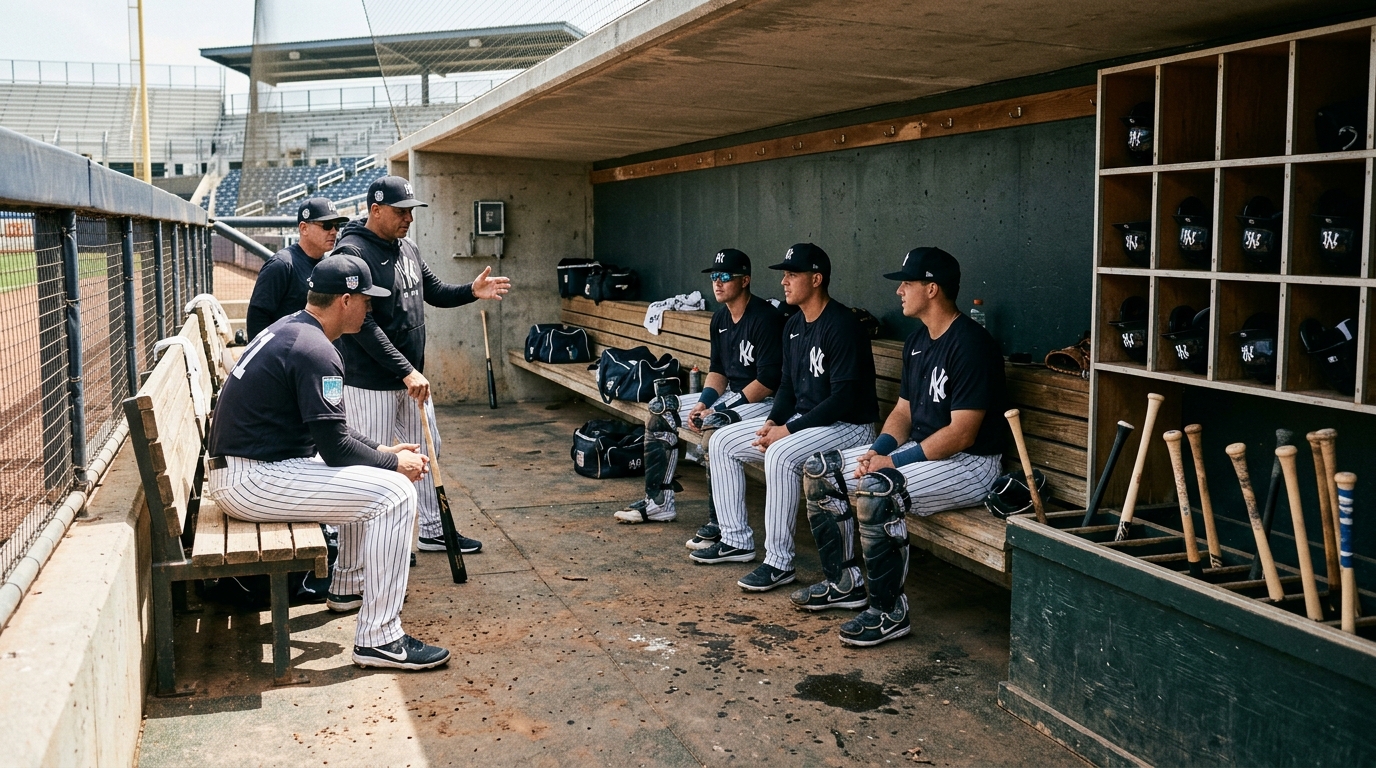
Major League Baseball clubs constantly reassess roster construction as offensive trends and market valuations shift. For the New York Yankees, the hunt for a right-handed-hitting catcher is both a tactical necessity and a matter of long-term financial planning.
High-profile acquisitions have long been a hallmark of the Yankees, especially when a positional imbalance threatens their postseason ambitions. Addressing the catcher position with a right-handed bat fits this pattern. The organization has alternated between developing talent internally and seeking external solutions, but the premium on right-handed-hitting catchers often drives up both transfer fees and salary commitments.
Contract values for catchers reveal a clear divide: right-handed bats with above-average offense routinely land multi-year deals and, in some cases, require significant prospect capital in trades. The Yankees’ willingness to pay these prices reflects a philosophy that prioritizes immediate competitive advantage, even if it means sacrificing future payroll flexibility.
Transfer Market Dynamics and Yankees’ Historic Spending

Catchers with the desired offensive profile are scarce, and the current market only amplifies the challenge. Teams with surplus catching talent can demand top-30 prospects and substantial cash in return. The Yankees must weigh these costs against other roster needs, all while navigating the constraints of the luxury tax threshold.
No stranger to outbidding rivals, the Yankees have shown a pattern of committing upwards of $10 million annually for catchers who offer right-handed power, on-base skills, and defensive reliability. Performance escalators and vesting options are often built into these contracts, a hedge against injury risk that preserves upside.
Committing to a catcher isn’t just about the salary. Payroll tied up at this position means less flexibility elsewhere, and the physical demands of catching make long-term deals especially risky. The front office faces a delicate balance: address the current window without saddling the club with contracts that could limit future moves.
Prospect capital is another key factor. Top right-handed-hitting catchers rarely hit free agency, so a trade would likely cost the Yankees some of their most valued minor leaguers. Trading away depth for a positional upgrade is a calculated gamble on immediate returns.
Available right-handed-hitting catchers with an OPS above .750 and strong framing skills command a premium. The Yankees’ internal options haven’t consistently met these standards, sharpening the focus on external targets. Defensive acumen paired with offensive upside remains rare, and market prices continue to climb.
Across MLB, teams are investing in positional specialization and matchup flexibility. Lineup versatility has become a priority, even if it means a hefty short-term financial commitment. Signing bonuses and creative contract structures are increasingly common as clubs compete for top catching talent.
The Yankees’ pursuit of a right-handed-hitting catcher highlights the intersection of tactical ambition and financial strategy. Their next move will reveal how they balance immediate needs with long-term risk in a market shaped by scarcity and rising costs.