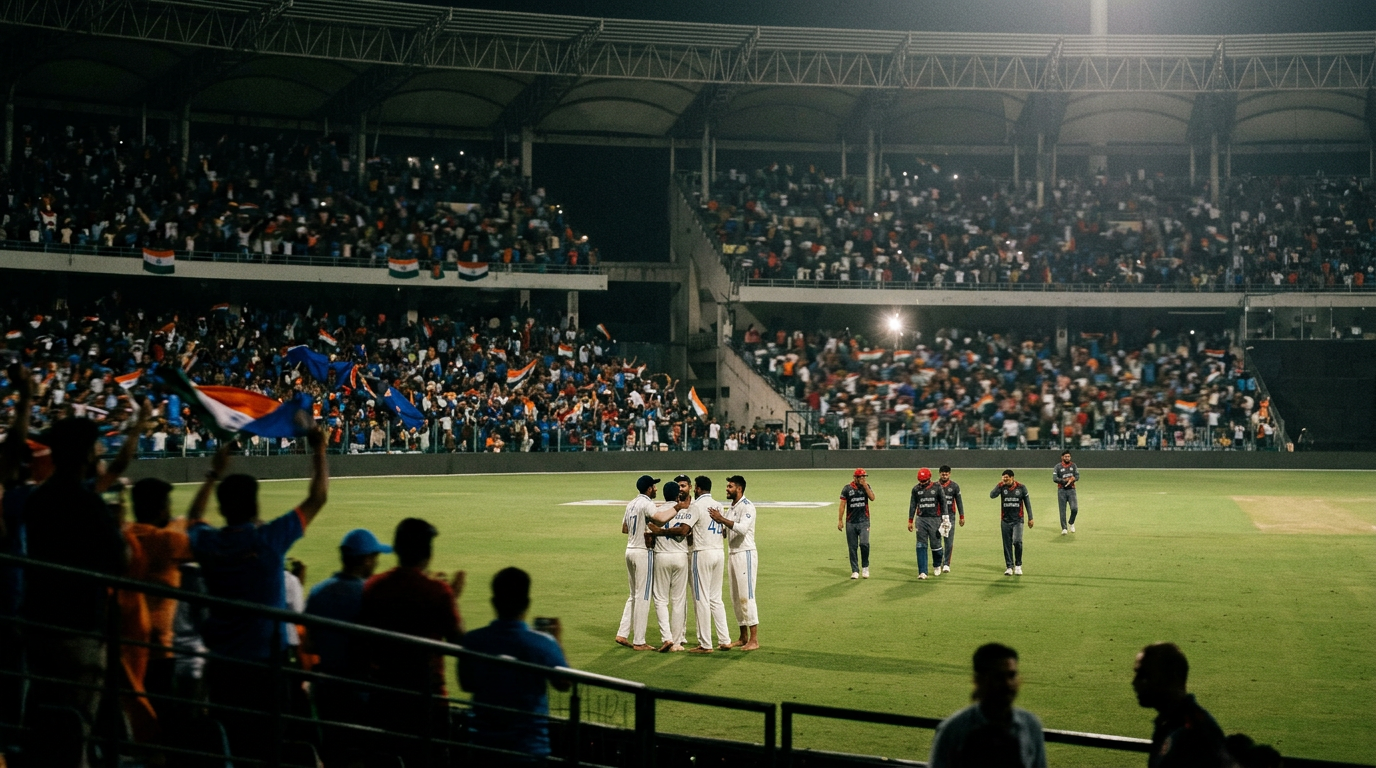


England’s women have built their T20 World Cup reputation on clinical bowling and adaptive batting, a formula that once again delivered under knockout pressure at Lord’s. In the 2026 quarterfinal against West Indies. England’s tactical clarity and execution proved decisive.
Aggressive top-order batting and a versatile spin attack remain the cornerstones of this team’s identity. Danni Wyatt-Hodge’s 42-ball 65 and Heather Knight’s brisk 43 from 26 balls set the tone. Wyatt-Hodge, now the tournament’s leading run-scorer, showcased her ability to shift gears, especially after early wickets fell. Her manipulation of field placements during the powerplay, alongside Alice Capsey’s controlled aggression, powered England to 57 for 2 in the opening six overs, their best start of the tournament.
West Indies tried to disrupt England’s rhythm with a mix of seam and offspin. Chinelle Henry struck early, swinging one past Amy Jones with just the fifth ball. But her next over unraveled, conceding 17 runs as England’s batters exploited gaps and pace changes. Forced to regroup. Wyatt-Hodge and Knight launched a counterattack that kept the scoreboard moving and denied West Indies any chance to settle.
England’s Spinners Turn the Screw in Defensive Press
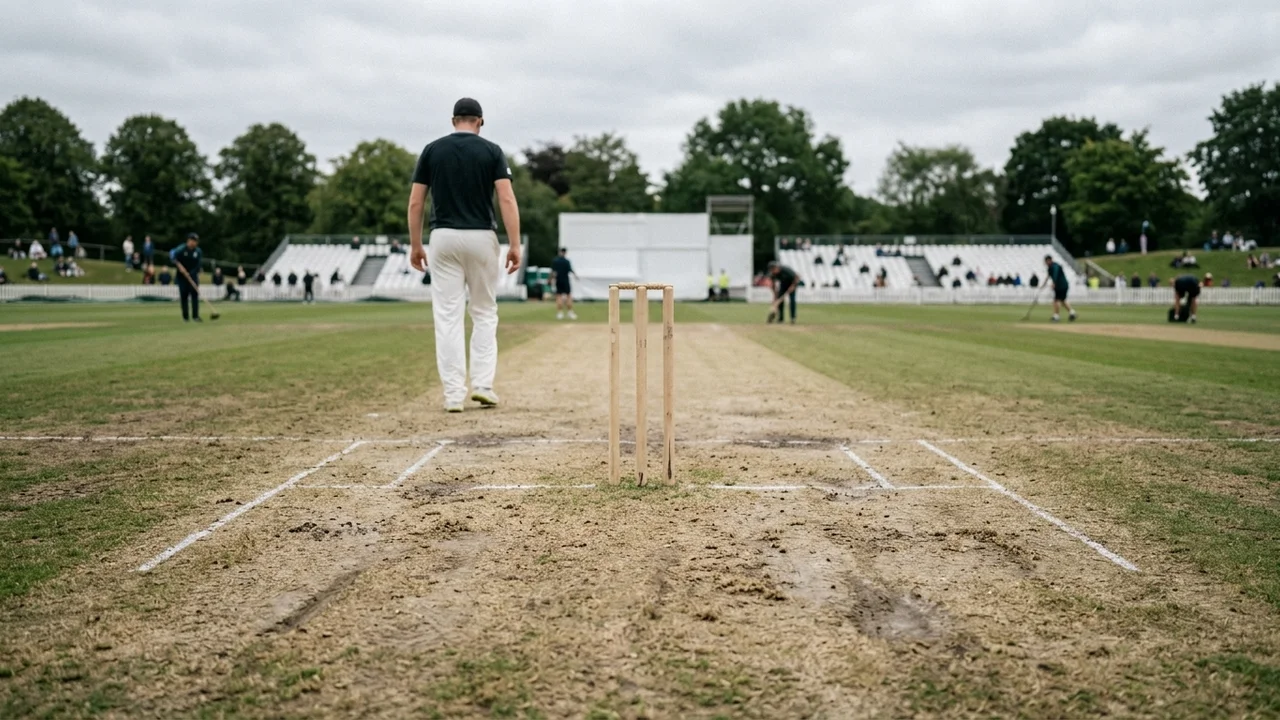
Defending 186 in punishing 34-degree heat. England’s bowlers reverted to their trusted formula: a three-pronged spin attack designed to choke scoring and force mistakes. Charlie Dean. Sophie Ecclestone, and Linsey Smith rotated through short, probing spells. Their combined four wickets told only part of the story. More telling was the way they stifled West Indies’ middle order, cutting off scoring options and building pressure.
Dean and Ecclestone, deployed both early and in the middle overs, fractured the West Indies chase. By crowding the infield and tempting risky aerial shots. England’s spinners drew a string of mis-timed strokes and soft dismissals. Smith’s left-arm angle paired with Ecclestone’s finger spin created constant problems for West Indies’ right-handers, who struggled to rotate the strike or pierce the boundary-riders stationed square.
Controversy erupted when Hayley Matthews. West Indies’ captain and key batter, was given out caught behind on review. The decision sparked protest after apparent inconsistencies between the camera feed and UltraEdge. Matthews’ exit for 14 removed the only player with the game to counter England’s spin-heavy tactics, tilting the contest further in Knight’s favor.
Henry (unbeaten on 51) and Jahzara Claxton pieced together a 63-run fifth-wicket stand. Their partnership relied on quick singles and calculated aggression rather than boundary hitting, an attempt to disrupt England’s field settings. But the required rate kept climbing. England’s bowlers, backed by sharp fielding, funneled West Indies into risky shots and desperate running.
The difference in bowling depth was clear. West Indies leaned on Ashmini Munisar’s offspin, and her 2 for 42 helped contain England late on. Still. England’s ability to rotate their spinners and close out the innings with minimal damage set a standard West Indies couldn’t match.
England’s win extends a familiar pattern: disciplined, formation-driven cricket outmaneuvering less adaptable opponents. Their flexibility, whether in batting order or bowling combinations, remains their hallmark.
For those interested in how tactical formations influence tournament outcomes, recent upper-bracket contests in other competitions, such as the 2026 LCK Cup, offer further insight into how teams adjust their pressing systems under pressure. For more on this, readers can explore upper-bracket tactical trends in related team sports.
England are the first team into the semifinals. Their evolving spin-first strategy and flexible batting will be at the heart of their trophy pursuit. Formation-led victories continue to define their T20 identity.