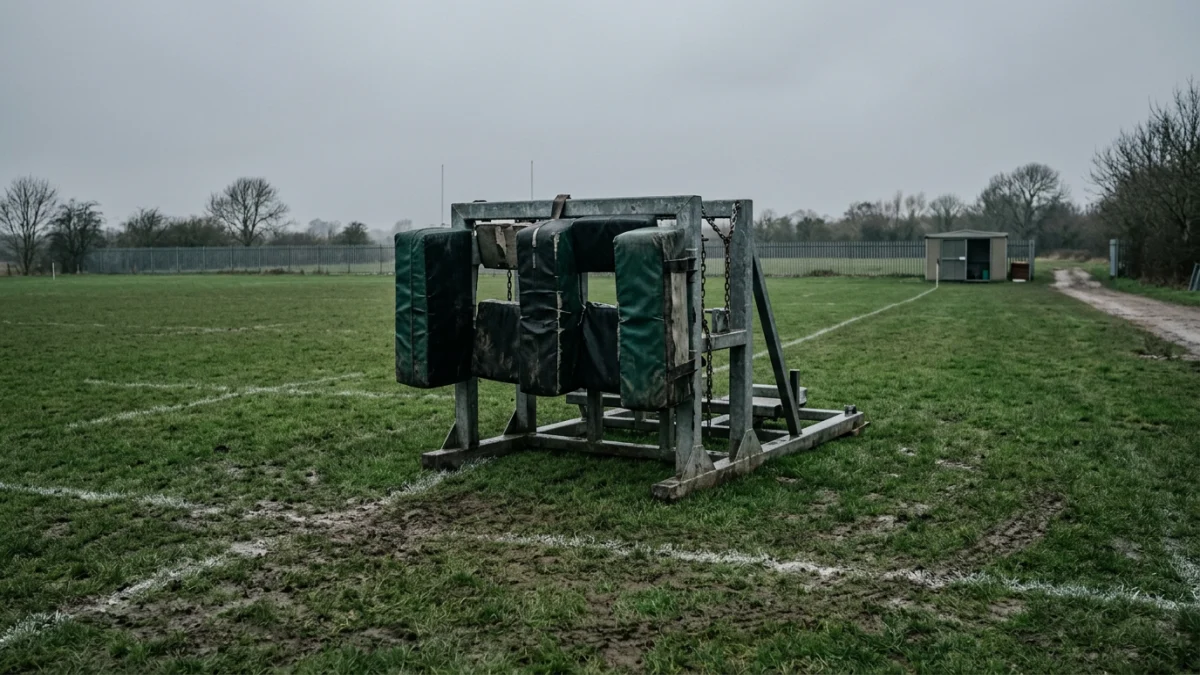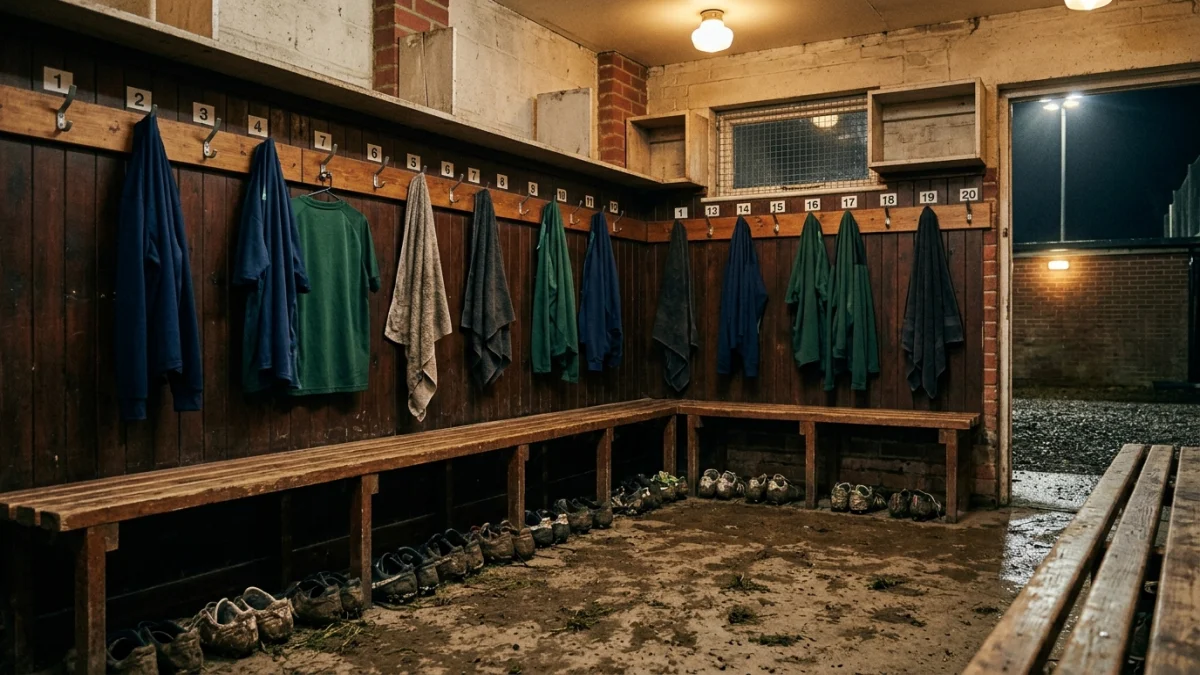

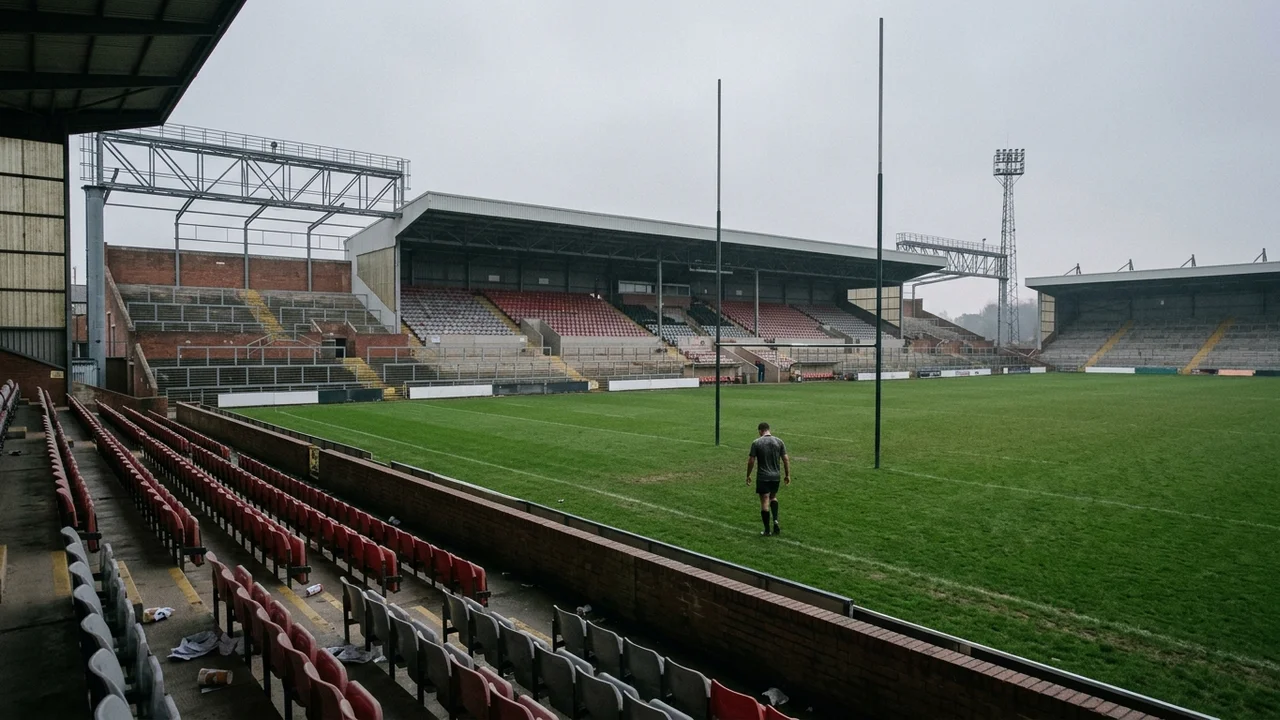
Welsh rugby used to be the envy of Europe: packed grounds, swaggering regions, a conveyor belt of world-class talent. Now, the Scarlets’ latest £2.1 million loss reads less like an annual report and more like a warning sign. This isn’t a blip. For the third year running, the Scarlets have haemorrhaged more than £2 million. The numbers tell a story of a club, a region, and a sport in Wales that is circling the drain.
No sugar-coating here. The Scarlets limped to 14th in the United Rugby Championship last season. Their latest accounts, closing out in June 2025, show a club hacking away at costs just to keep the lights on. Outgoings are down 10 percent, the wage bill slashed from £8.24 million to £6.94 million. Did it make a dent? Hardly. Turnover has nosedived to £10.2 million from £11.3 million the previous year. Gate receipts are falling, sponsors are disappearing, and even the Welsh Rugby Union’s contribution has shrunk.
Blaming bad luck would be a cop-out. Years of neglect have left the system rotten. The Scarlets’ debt mountain still looms at more than £10 million, owed mainly to the WRU and Carmarthenshire County Council. Parc y Scarlets, hailed by chairman Simon Muderack as “the finest club rugby stadium in Wales, if not the UK,” stands as a monument to better days, but empty seats don’t pay bills.

The “challenging” and “deeply uncertain” times the Scarlets board laments aren’t going anywhere. The WRU is now openly floating the idea of cutting the number of pro clubs from four to three by the 2028-29 season. Details are scarce, but the message is clear: one team in the east, one in Cardiff, one in the west. Translation: Llanelli-based Scarlets and Swansea-based Ospreys are locked in a fight for survival.
This cycle is all too familiar. Welsh rugby has spent decades lurching from review to review, cut to cut, threat to threat. Each supposed solution just kicks the can further down the road, while the regions rack up more debt and bleed more fans. The Scarlets, notably, are the only Welsh region still refusing to sign up to the Professional Rugby Agreement, a detail that lays bare just how fractured the game’s governance has become.
A £2.1 million loss, down from £2.6 million, is no cause for comfort. On Llanelli fan forums, supporters are asking how much of that loss is swallowed by loan repayments, a burden not shared equally across Welsh clubs. Cardiff’s escape from such repayments only sharpens the sense of unfairness.
The WRU’s dithering and vague promises about the future only destabilise clubs, players, staff, and the handful of sponsors still willing to throw good money after bad. Muderack insists the Scarlets’ board has been working “closely and constructively” to protect the club’s future. But what does that mean when the rules keep changing and the financial rug is yanked out from under you?
Three years of seven-figure losses. Turnover and gate receipts both in freefall. A debt pile that would terrify most businesses. Rival clubs like Cardiff enjoy structural advantages, while the Scarlets are left to beg, borrow, and cut just to survive. The mood music from the WRU suggests the bloodletting is far from over.
Scarlets fans, players, and coaches deserve better than a future built on uncertainty and annual financial cliffhangers. Yet Welsh rugby’s leaders seem able to deliver only more of the same: cuts, confusion, and a slow march toward a future where one of its proudest clubs might not even exist. The Scarlets’ £2.1 million loss isn’t just a symptom. It’s a verdict on a broken system that refuses to fix itself.