

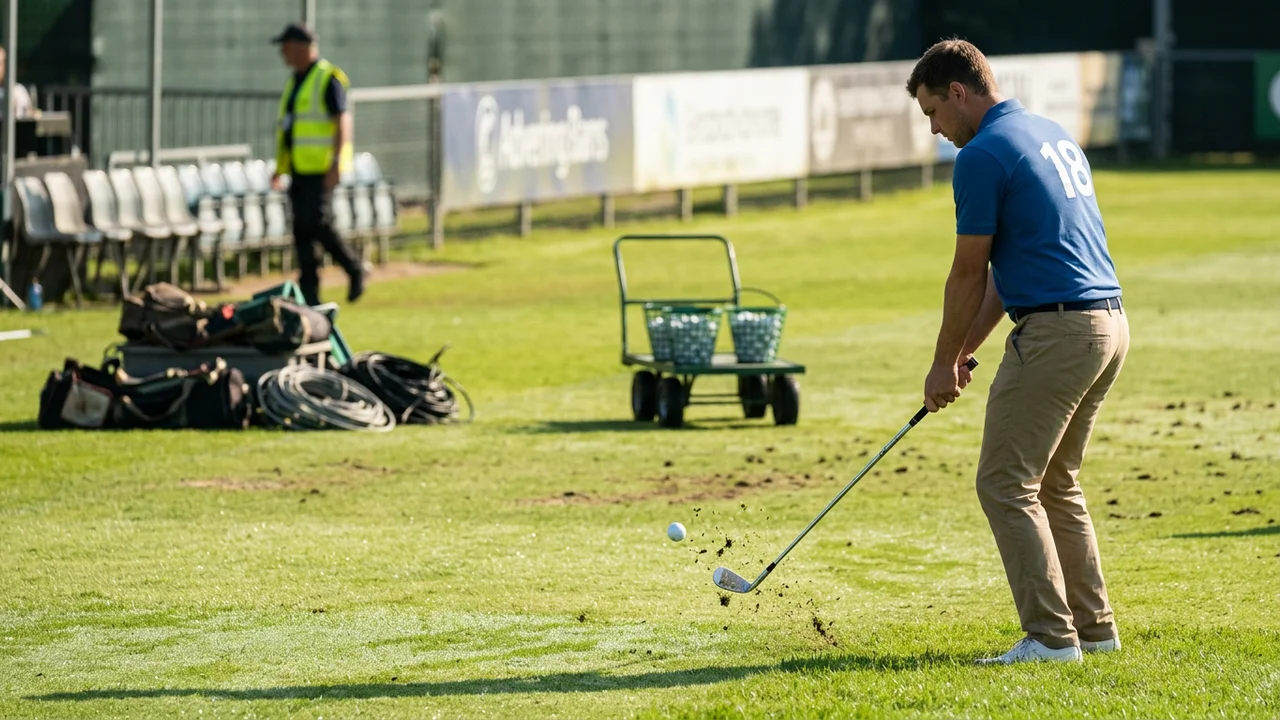
Roger Cleveland’s fingerprints are all over the new RTZ2 588 Grind. His craftsmanship drives the latest wedge evolution, and the way the 588 Grind interacts with turf is no accident. Nearly a decade of design tweaks, player feedback, and relentless iteration have shaped this club. The real question: how does Cleveland’s approach to sole relief and edge shaping translate into tactical advantages, or liabilities, when the ball sits down, the lie is tight, and the shot demands precision?
At address, the 588 Grind looks familiar, even classic. But there’s more going on beneath the surface. The sole features relief in both the heel and toe, not just for show but for function. This drop-off fundamentally changes how the wedge performs in different situations. On an uphill lie, with the face opened, heel relief lets the club glide instead of digging in. For players who manipulate face angle to control trajectory and spin, that’s a critical difference. The heel’s ability to “skip across the turf rather than dig in and stop dead” isn’t just clever engineering, it’s a direct answer to how today’s players attack tight pins and awkward lies.
Matching grind to lie: tactical wedge selection revealed
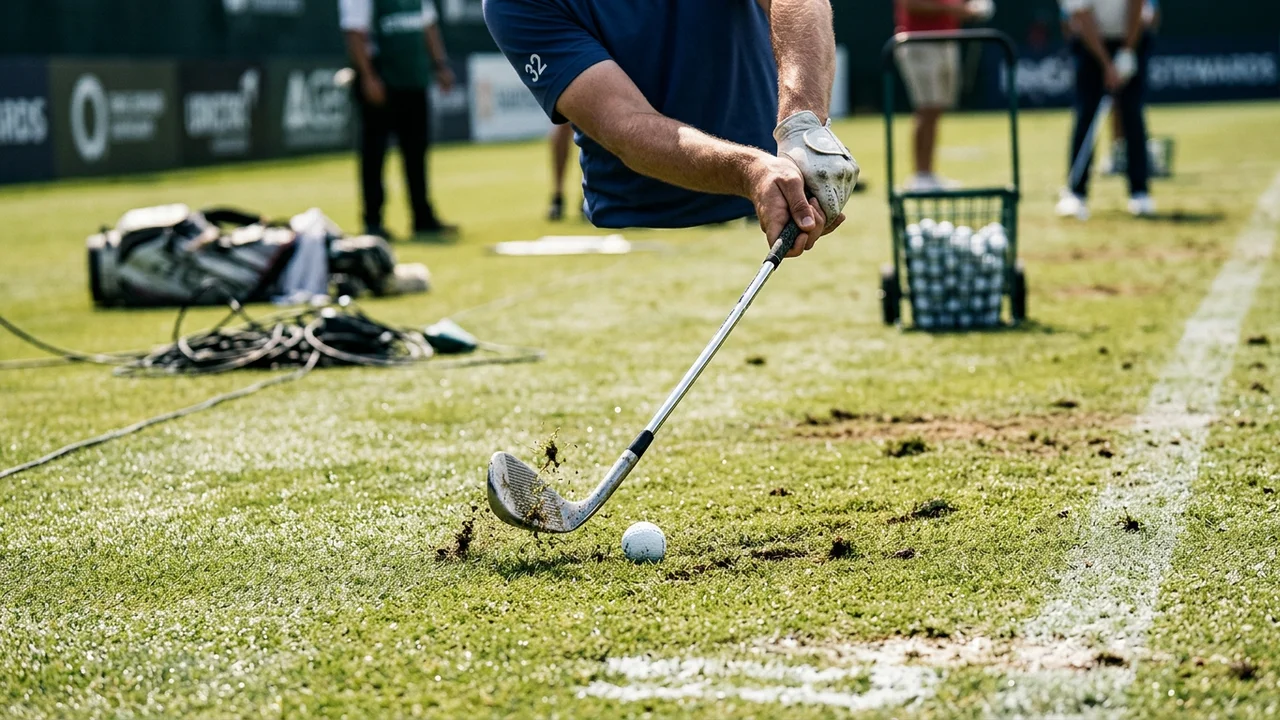
Wedge play is all about matching grind to situation. Stack the 588 Grind against its RTZ2 siblings and the tactical picture sharpens. The Low Grind, or T-Grind, is the scalpel of the lineup. Its sole is narrow, trailing edge shaved, and the leading edge sits flush to the ground. This is the specialist you call on for tight lies and firm turf, when precision is everything. A higher bounce club might float, but the Low Grind “hugs the dirt,” sliding under the ball for maximum spin and instant check. It rewards a pure strike and punishes anything less. Grooves two through four do the heavy lifting, generating the kind of spin that stops a ball on a dime. No safety net here, this grind is for players who trust their technique.
The Full Grind is a different animal. Think of it as the system’s defensive midfielder. Its wide, uninterrupted sole is built for forgiveness, not finesse. When you catch the turf an inch behind the ball or face a lush, soft fairway, the Full Grind keeps moving forward. It’s about damage control, offering “pure peace of mind” for players with a steeper angle of attack or those haunted by the fear of chunking a chip. Technique matters less; the club does the heavy lifting.
Here’s how the RTZ2 wedge system breaks down:
| Grind | Turf Interaction | Shot Type | Player Profile |
|---|---|---|---|
| 588 Grind | Heel/toe relief, skips on open face | Versatile: open/square, uphill lies | Low handicaps to 12-handicap, bunker capable |
| Low (T-Grind) | Flush leading edge, low bounce | Tight lies, firm turf, spin control | Skilled strikers, precision focus |
| Full Grind | Wide sole, high bounce | Soft turf, thick divots, bunker exits | Steep attackers, forgiveness seekers |
The 588 Grind is the tactical heart of the system, flexing between aggressive pin-seeking and conservative recovery. Low and Full Grinds flank it, each tailored for specific match scenarios.
Pinehurst’s sand-dusted, undulating turf provided the perfect test. Lies shifted from tight and unforgiving to soft and receptive in a matter of yards. The 588 Grind handled the pressure. With a square face, it clipped the ball cleanly, barely disturbing the grass. Open the face, and the heel relief let the head interact dynamically with the surface, adaptability that separates a system player from a one-dimensional specialist.
Roger Cleveland’s design mantra: a wedge must be “precise enough for low handicaps, but forgiving enough in a bunker to keep a 12-handicap out of trouble.” That’s not marketing fluff. It’s the tactical DNA of the RTZ2 588 Grind. On real turf, with no margin for error and no launch monitor to hide behind, the wedge’s ability to “skip across the turf” instead of digging in wasn’t just theory. It was visible, repeatable, and for players seeking both precision and forgiveness, a genuine game-changer.