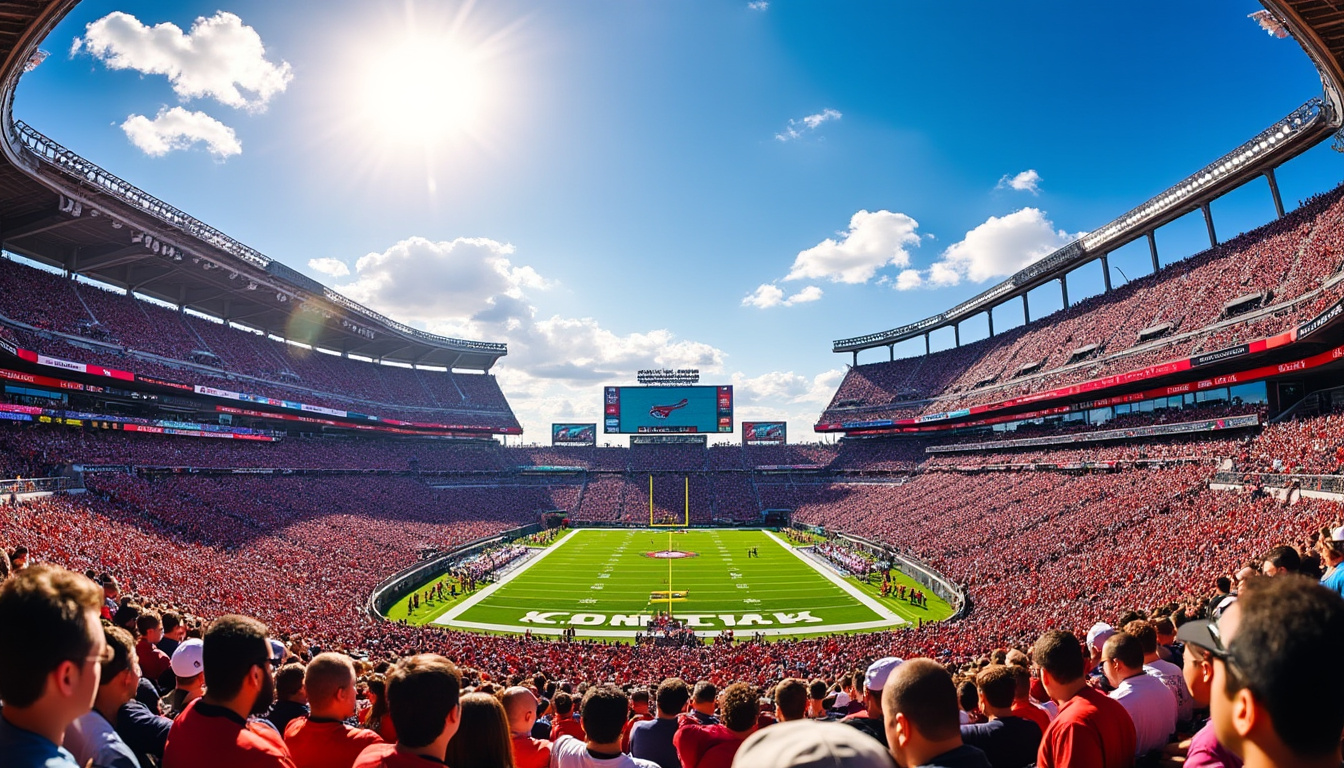


The National Football League (NFL) is set to revolutionize the landscape of American football with a groundbreaking announcement: the launch of both men’s and women’s professional flag football leagues within the next few years. Positioned strategically before the 2028 Los Angeles Olympics, where flag football makes its Olympic debut, this move highlights the NFL’s commitment to expanding the sport’s reach and appeal. The initiative heralds a new era, targeting young fans worldwide and building a sustainable pipeline from youth participation to professional play.
The upcoming professional leagues arrive amid a surge in flag football’s popularity, catalyzed by growing interest at the high school and collegiate levels, especially among women. The NFL is racing against the clock ahead of the 2028 Olympic Games to establish robust structures that foster growth, competitiveness, and global reach. Parallel plans to scale international games and broaden the NFL’s footprint from Europe to Asia and beyond complement this visionary expansion.
This comprehensive article explores the NFL’s ambitious blueprint for pro flag football leagues, their cultural and commercial implications, international developments, and the deeper social role football plays in bridging divides worldwide.
- Overview of NFL’s Pro Flag Football Leagues for Men and Women
- Flag Football’s Olympic Debut and Its Impact on the Sport’s Growth
- Global Expansion: NFL’s International Strategy and Market Penetration
- Developing Talent and Infrastructure: From Youth Programs to Professional Play
- The Cultural Significance of Football as a Unifying Force
- Questions and Answers About the NFL’s Flag Football Initiative
Overview of NFL’s Pro Flag Football Leagues for Men and Women Ahead of 2028 Olympics
The NFL’s commitment to establishing professional flag football leagues for both men and women marks a significant evolution in the scope of American football. At a high-profile sports conference convened at London’s Twickenham Stadium, Commissioner Roger Goodell announced plans to roll out these leagues within the next couple of years, aligning their debut with the sport’s Olympic inclusion in 2028. This timeline is ambitious but reflects the NFL’s strategic foresight in capitalizing on Olympic exposure to boost brand visibility and fan engagement globally.
Why flag football? Unlike traditional tackle football, flag football offers a less contact-intensive format, making it accessible and appealing to broader demographics, including young athletes and women. The move also reflects a growing appetite for alternative football formats that prioritize speed, skill, and agility over physical collisions, aligning well with evolving preferences and safety concerns.
Commissioner Goodell emphasized the strong interest the NFL has observed both domestically and internationally. Colleges across the United States and universities globally are incorporating flag football into their athletic programs, signaling a burgeoning talent pool ready to feed the professional leagues. This grassroots enthusiasm is essential to building a vibrant ecosystem that supports long-term growth.
Key components of the leagues’ development:
- Gender Inclusivity: The NFL is equally focused on men’s and women’s leagues, addressing the growing youth and collegiate participation among girls, and setting a precedent for professional opportunities.
- Player Safety: Flag football reduces the risk of injury tied to full-contact football while preserving the tactical complexity and excitement of the game.
- Fan Engagement: The shorter, faster-paced games aim to attract younger audiences accustomed to dynamic, engaging sports content.
- Partnerships: Collaborations with major brands such as Nike, Adidas, and Under Armour are expected to elevate the profile and commercial viability of the leagues.
The NFL’s commitment to these leagues reflects a sophisticated strategy to foster a sustainable pathway from youth flag football programs through high school and college competition, culminating in professional play and international showcase through the Olympics.
| Development Aspect | Description | Impact |
|---|---|---|
| Youth & Collegiate Programs | Growing high school and college-level flag football teams, particularly for girls | Creates a talent pipeline and expands fanbase |
| Professional Leagues (Men & Women) | Launch within 2-3 years, aligned with 2028 Olympics | Elevates sport at the professional and global levels |
| Commercial Partnerships | Engagement with Nike, Adidas, Under Armour, Fanatics, and others | Enhances branding, marketing, and revenue streams |
| Injury Prevention | Flag football’s non-contact format | Broadens appeal by reducing injuries |
Flag Football Rules and Structure Unique to the NFL’s Pro Leagues
While flag football retains core football elements such as passing, catching, and touchdowns, the NFL plans to introduce its own twists to optimize spectator appeal and player safety. Games will be faster-paced, with typically 5-7 players per team on the field, and plays designed to emphasize passing, speed, and strategic positioning over brute force. The abbreviated game time and simplified penalties make the sport accessible and thrilling for a broader audience.
These adaptations position the professional leagues as a fresh, innovative entertainment product while respecting football traditions.

Flag Football’s Olympic Debut: Amplifying Global Interest and Creating Opportunities
The inclusion of flag football in the 2028 Los Angeles Olympic Games represents a landmark moment for the sport, positioning it alongside other globally revered competitions and providing unprecedented exposure to international audiences. This Olympic milestone creates a natural deadline and incentive for the NFL to fast-track the development of competitive pro leagues.
What makes the Olympics pivotal?
- Global Stage: With billions tuning into the Olympics, the sport gains instant visibility and legitimacy worldwide.
- Increased Participation: Countries will foster flag football programs domestically, motivated by Olympic ambitions.
- Investment Boom: Olympic inclusion typically unlocks sponsorship deals and government funding for athlete development and event hosting.
- Gender Equality: The Olympics’ emphasis on balanced opportunities is expected to catalyze parity in men’s and women’s flag football programs globally.
Aligned with these opportunities, participation in flag football has skyrocketed in American high schools, especially among girls. Several states are introducing girls flag football as an official varsity sport, supported by apparel brands such as Under Armour and Adidas, which have been influential in equipping teams with cutting-edge gear adapted for the game’s distinct demands.
To capitalize on this momentum, the NFL’s schedule also reflects strategic global planning. The league recently hosted a record-high seven international games this season, primarily across Europe, with Brazil also hosting a match. The 2025 schedule aims to double the number of overseas games to 16, signaling aggressive expansion efforts. Australia is slated for a game next season, and Asia is highlighted as the next frontier for growth, although specific locations remain under wraps.
| International Expansion Plan | Details | Expected Benefits |
|---|---|---|
| Current International Games | 7 games in 2025 season, including 6 in Europe and 1 in Brazil | Expands global fanbase and market penetration |
| Planned Expansion | 16 games internationally by next season, including Australia and Asia | Broaden cultural exposure and commercial growth |
| Mexico City Return | Azteca Stadium renovations complete; return to NFL rotation in 2026 | Re-engages Latin American audiences |
Global Strategy Behind NFL’s International Games and Market Penetration
The NFL’s international expansion is a core pillar of its vision to transform flag football into a global sport. The record number of global games played in 2025 illustrates this commitment and feeds into the larger Olympic-driven strategy.
Europe currently stands as the primary international market with six games staged in 2025, reflecting the continent’s enthusiastic fanbase and emerging flag football infrastructure. Brazil’s hosting of a game this year also marks the NFL’s outreach to South America’s passionate sports markets.
Beyond just staging games, the NFL is cultivating local leagues and partnerships to build sustainable interest. For example, collaboration with prominent sports brands like Wilson, New Era, and Gatorade provides essential equipment, apparel, and nutritional support to athletes and fans alike.
Looking forward, the targeted entry into Asia and Oceania underscores the ambition to tap into populous and diverse regions. Australia’s scheduled game next season symbolizes this vision’s unfolding, while Asian plans, though unannounced in detail, suggest the NFL is eyeing key markets such as Japan, China, or South Korea, where American sports have growing traction.
Commissioner Goodell highlighted the wider social role of football, emphasizing it can serve as a uniting force amid global challenges:
- Political Divides: Football offers a temporary escape and shared passion beyond polarizing political issues.
- Cultural Bonds: The sport’s universal values of teamwork, respect, and competition foster community cohesion.
- Peaceful Engagement: Despite global tensions, international matches promote cross-cultural understanding and sportsmanship.
This narrative aligns with remarks from leaders like Cleveland Browns co-owner Jimmy Haslam, who remarked on sports’ unique ability to unite people regardless of their differences during the brief moments of a game.
| Global Expansion Focus | Strategy | Community Impact |
|---|---|---|
| Europe & Americas | Regular international games and local league support | Build fanbase and grassroots football culture |
| Asia & Oceania | Introduction of games and partnerships with local stakeholders | Tap into new markets with significant growth potential |
| Sports as Unifier | Football as a platform to promote unity and peace | Enhance social cohesion amid diverse geopolitical landscapes |

Infrastructure and Talent Development: Creating a Flag Football Ecosystem from Grassroots to Pro
Central to the NFL’s blueprint is establishing a comprehensive talent pipeline that starts with youth leagues and feeds into college programs, culminating in professional positions on the upcoming men’s and women’s pro flag football teams. This foundational approach addresses key challenges that have historically limited football growth, including safety concerns and limited accessibility.
States across the U.S. are increasingly sanctioning girls’ flag football at the varsity level, broadening participation opportunities and attracting national brands such as Fanatics and Oakley that specialize in sports merchandise targeted at younger demographics. These companies are integral partners in outfitting players and marketing the sport to evolving fanbases.
Development programs focus on multiple pillars:
- Skill Building: Emphasizing speed, agility, and strategic play rather than physical contact.
- Coaching Education: Training instructors specialized in flag football techniques and youth mentorship.
- Health & Safety: Implementing protocols to safeguard player welfare and build parental confidence.
- Competition Opportunities: Creating leagues and tournaments at youth and collegiate levels to cultivate competitive experience.
The NFL’s technological partners—Wilson and Gatorade—support these efforts by providing advanced equipment and nutrition tailored for optimal athletic performance. Meanwhile, lifestyle brands like New Era and Pepsi contribute to off-the-field fan experiences, complementing on-field action with entertainment and style.
Through this multi-layered approach, the NFL envisions flag football as a scalable sport with vibrant participation cross-generationally and across genders.
The Cultural and Social Significance of Football as a Unifying Force Globally
Beyond its physical and entertainment value, football — including the variant of flag football — carries profound cultural resonance. As Commissioner Goodell pointed out during the London conference, sports frequently transcend geopolitical turmoil, offering communities moments of joy, shared identity, and healing. In a world marked by political fracturing and conflict, these attributes become invaluable.
Football’s ability to bring people together is exemplified in moments when fans from all backgrounds unite in support of their team, momentarily setting aside differences. This ethos is reflected in growing international viewership and participation, where flag football serves as a gateway sport welcoming newcomers from varied cultures.
Examples highlighting football’s societal impact include:
- Grassroots Outreach: Programs reaching underserved youth, offering positive social engagement and alternatives to violence.
- International Tournaments: Friendly competition promoting cross-cultural respect and understanding.
- Community Building: Football clubs becoming hubs for social interaction and support networks.
Corporate partners like Gatorade and Pepsi amplify these positive messages by sponsoring community initiatives and creating content that celebrates diversity within sports. Additionally, the cultural cachet of apparel and merchandise brands like Nike, Adidas, and Fanatics helps ingrain football as a lifestyle alongside its athletic roots.
This broad cultural embrace positions flag football, through the NFL’s professional leagues and Olympic platform, as a symbol of unity and progress, heralding a promising future for both athletes and fans worldwide.