

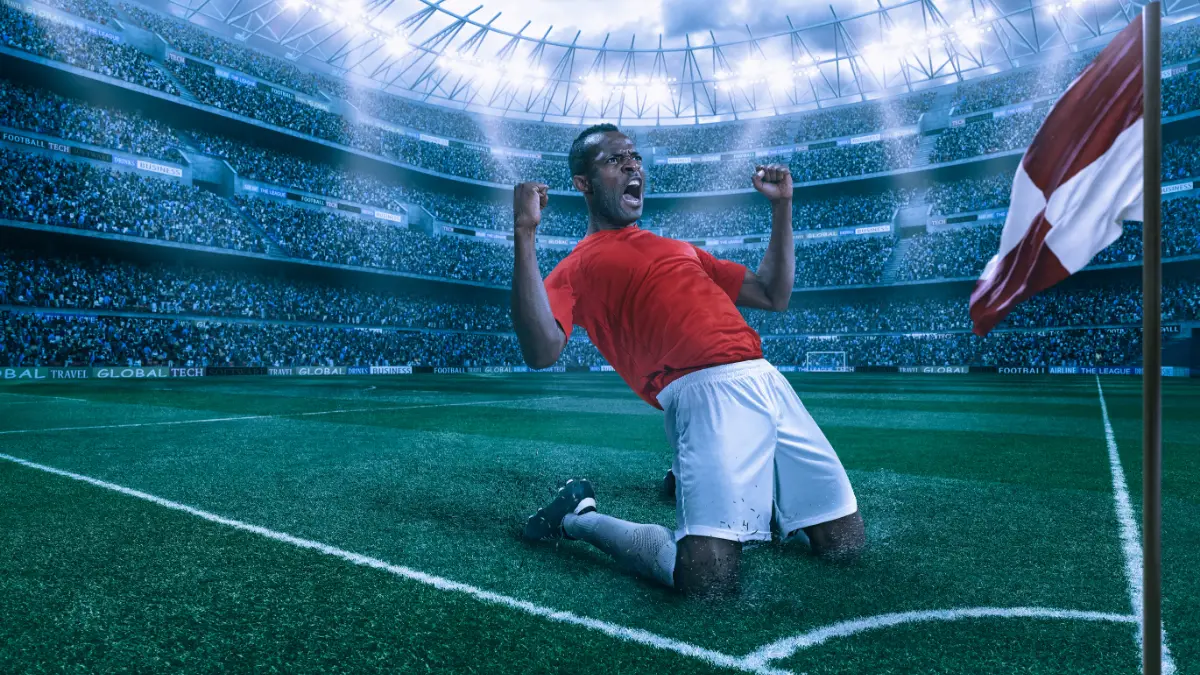
The lead-up to the 2026 sporting calendar is marked by a flurry of major sponsorship agreements, signaling an unprecedented level of commercial engagement and fan anticipation. As 2025 draws to a close, the sports world is gearing up for a dazzling array of global events, from the prestigious Six Nations rugby clashes in February to the monumental FIFA World Cup spanning June and July. These partnerships reflect not only the vast commercial potential of these competitions but also the strategic moves by global brands to tap into diverse audiences across multiple continents. With an expansive calendar brimming with marquee tournaments and championships, 2026 promises to be a landmark year for worldwide sporting drama and business acumen alike.
Brands from traditional giants to innovative newcomers have locked in deals that will shape fan experiences, broadcast reach, and community engagements across a wide spectrum of sports. The integration of sponsorships into stadiums, fan zones, and digital platforms accentuates the role these companies will play, creating immersive and interactive moments that transcend mere advertisement. This dynamic wave of commercial partnerships underscores sport’s omnipresent influence in culture and economy, making 2026 a pivotal year for stakeholders across the athletic and corporate spheres. Below is a detailed exploration of the key sponsorship moves and their implications on the sports landscape of 2026.
2026 Global Sporting Events Calendar: A Sponsorship Goldmine
The sporting agenda for 2026 outlines an intense schedule packed with world-class competitions, offering fertile ground for sponsors eager to maximize their visibility and engage with passionate audiences. Major events like the Winter Olympics, ICC Men’s and Women’s T20 World Cups, the UEFA Champions League Final, and the highly anticipated FIFA World Cup provide a plethora of platforms for brands to amplify their presence.
Several factors increase the appeal for sponsorship investment in these events:
- Global Reach: Events with billions of viewers worldwide, enhancing brand awareness exponentially.
- Diverse Audience Base: Opportunities to target multiple demographics across varying sports disciplines.
- Year-Round Engagement: The calendar’s breadth ensures continuous fan interaction from January through December.
- Multi-Continent Hosting: Especially notable in the 2026 FIFA World Cup co-hosted by Canada, Mexico, and the United States, providing regional activation zones for sponsors.
An organized month-by-month breakdown highlights these events:
| Month | Major Sporting Events | Potential Sponsorship Highlights |
|---|---|---|
| January | PDC Darts World Championship Final, Australian Open (tennis) | Opportunities for brands like Visa and Adidas to tap into tennis and darts fan bases. |
| February | Six Nations Rugby, Winter Olympics, Super Bowl LX | Massive exposure for Coca-Cola, Nike, and Emirates across rugby, winter sports, and American football. |
| June – July | 2026 FIFA World Cup, Wimbledon, Commonwealth Games | A prime opportunity for global brands such as Pepsi, Samsung, and Red Bull to leverage cross-sport visibility. |
| September – October | Solheim Cup (Golf), Rugby League World Cup | Specialized targeting for golf and rugby crowds by brands like Toyota and Heineken. |
This extensive sporting calendar not only fosters continuous brand interaction but also drives innovative sponsorship activations that resonate deeply with global and regional fanbases, enhancing brand recall and loyalty.
Breakdown of Key Sponsorship Deals for FIFA World Cup 2026
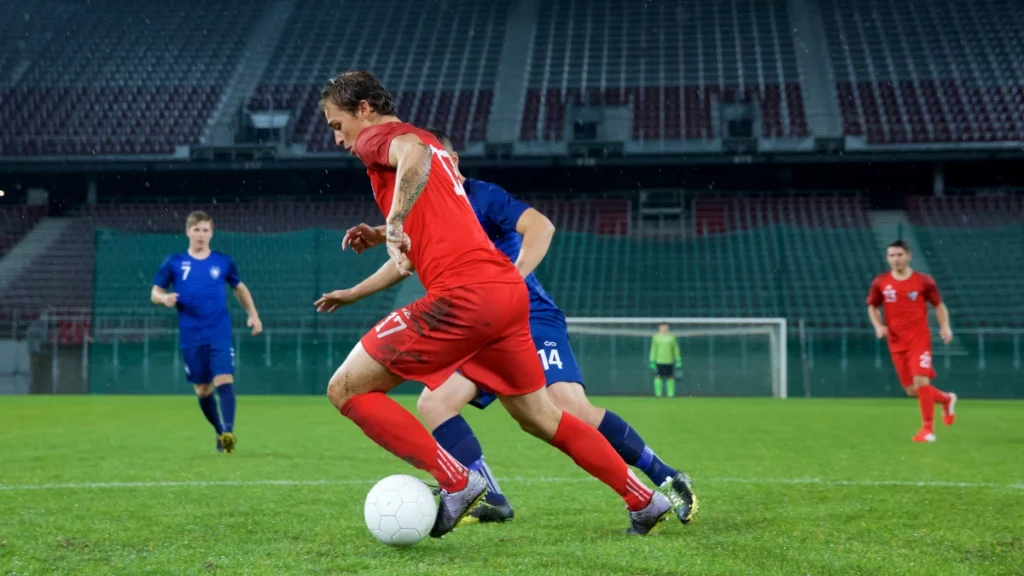
The 2026 FIFA World Cup, the largest football tournament in history with a record 48 national teams, has attracted a stellar cast of sponsors spanning multiple sectors. A unique feature is its North American co-hosting across the United States, Mexico, and Canada, resulting in an intricate and rich sponsorship ecosystem.
The tournament’s sponsorship tiers elucidate how investments are strategically segmented:
- Tier 1 Global Partners: Adidas, Coca-Cola, Hyundai/Kia, Visa, Aramco, Qatar Airways, and Lenovo. These brands have exclusive global rights covering all FIFA tournaments, investing more than US$70 million collectively in sponsorship fees. Their campaigns are extensive and span from grassroots to elite fan engagement.
- Tier 2 Sponsors: This level includes Michelob Ultra, Bank of America, Lay’s, McDonald’s, Mengniu, Dove, and Verizon. Their focus is heavily on the men’s tournament, with budgets ranging between US$65 million and US$95 million allocated largely toward targeted advertising and key events activation.
- Tier 3 Brands: This group incorporates players like Diageo, The Home Depot, Valvoline, and Rock-it Cargo, with more concentrated, regional promotions. The Home Depot, notably, will capitalize on its retail footprint across the three host countries for localized brand activations.
Some sponsors have embraced unique regional deals enabled by FIFA’s flexible rules that now allow category sharing within markets. For instance, American Airlines and Qatar Airways operate as co-category partners in North America, a significant departure from the exclusivity model in prior years. Such arrangements reflect the evolving dynamics of sports marketing and the challenge of engaging diverse, multi-national audiences.
Founded on the durability of ongoing partnerships, several sponsors such as Nike and Coca-Cola have continually renewed their contracts, illustrating confidence in the World Cup’s unparalleled platform. These long-term collaborations often include creative activations like limited-edition products, experiential fan events, and innovative digital interactions that transcend the traditional advertising model.
| Sponsorship Tier | Key Brands | Estimated Investment (USD) | Sponsorship Scope |
|---|---|---|---|
| Tier 1 Global Partners | Adidas, Coca-Cola, Visa, Hyundai/Kia, Lenovo | $70M+ | Global rights for all FIFA tournaments, extensive campaigns |
| Tier 2 Sponsors | Michelob Ultra, Bank of America, Lay’s, McDonald’s, Verizon | $65M – $95M | Focused on men’s tournament, selective activations |
| Tier 3 Brands | The Home Depot, Diageo, Valvoline, Rock-it Cargo | Variable | Regional, market-focused campaigns |
Local Sponsorship Innovations and Host City Partnerships in Canada
Canada’s involvement as a co-host brings fresh sponsorship paradigms, particularly in cities like Toronto and Vancouver. Toronto, a key host city, has secured Ontario Power Generation (OPG) as its first-ever official Host City Supporter, a pioneering collaboration that integrates stadium energy sustainability with fan experience enhancements.
OPG contributes by supplying locally produced Clean Energy Credits, powering stadiums with low-carbon energy, thereby aligning the sporting spectacle with environmental commitments. This initiative positions Toronto as a leader in sustainable sports event hosting and offers sponsors an engaging narrative connecting sports, technology, and green innovation.
Economic projections from Deloitte suggest a significant economic boost for the Greater Toronto Area, including:
- CA$940 million total economic benefit
- CA$520 million GDP growth
- 6,600+ jobs created leading up to and during the tournament
- CA$25 million in government revenues
Vancouver, while smaller in scale, complements Toronto by reinforcing Canada’s reputation for cultural diversity and operational excellence. Its sponsorship portfolio is expanding steadily with localized initiatives designed to reflect the city’s multicultural makeup and sport-loving communities.
| Host City | Key Local Sponsor | Focus Area | Economic Impact |
|---|---|---|---|
| Toronto | Ontario Power Generation (OPG) | Clean energy and sustainable fan experiences | CA$940M total benefit, 6,600 jobs |
| Vancouver | Local corporate and cultural partnerships | Community engagement and event operations | Growing economic and cultural footprint |
This model of local sponsorship innovation is set to influence future international tournament hosting strategies worldwide.
Challenges and Complexities for Sponsors in a Multi-Nation Event
Sponsoring a multi-nation event like the FIFA World Cup 2026 presents several unprecedented challenges. Coordinating brand activations across three countries—each with distinct regulatory, cultural, and logistical frameworks—adds layers of complexity seldom seen in previous events. From navigating immigration policies for staff and promotional teams to managing diverse marketing regulations, sponsors must adopt highly adaptable strategies.
Key challenges include:
- Cross-Border Coordination: Aligning campaigns across the U.S., Canada, and Mexico demands seamless communication and robust operational flexibility.
- Legal and Intellectual Property Protections: FIFA rigorously enforces its IP rights, creating a challenging environment for sponsors to engage audiences without crossing legal boundaries.
- Cost Intensification: The geography implies increased expenditure on logistics, travel, and localized marketing efforts, potentially inflating sponsorship budgets.
- Market-Specific Campaigns: Customizing content to reflect the cultural and linguistic diversity in each host country is critical for authentic fan engagement.
Nevertheless, prominent brands such as Samsung and Toyota have taken innovative approaches to overcome these challenges by crafting regionally tailored marketing content and leveraging local partnerships. For example, Toyota’s regional campaigns in key cities emphasize community ties combined with global branding consistency, illustrating a blueprint for success in multi-jurisdictional sports sponsorship.
| Challenge | Details | Example Solutions |
|---|---|---|
| Cross-border Activation | Complex coordination across three host countries | Decentralized marketing teams with regional autonomy |
| Legal Restrictions | Strict enforcement of FIFA intellectual property | Collaborations with official soccer federations (like Volkswagen’s US Soccer deal) |
| Cost Management | Higher costs due to geographical scope | Prioritizing key venue cities for focused spending |
| Market Adaptation | Need for culturally sensitive, localized campaigns | Leveraging local influencers and bilingual content |
Embracing the Sporting Moment: Strategies for Brands to Connect Meaningfully
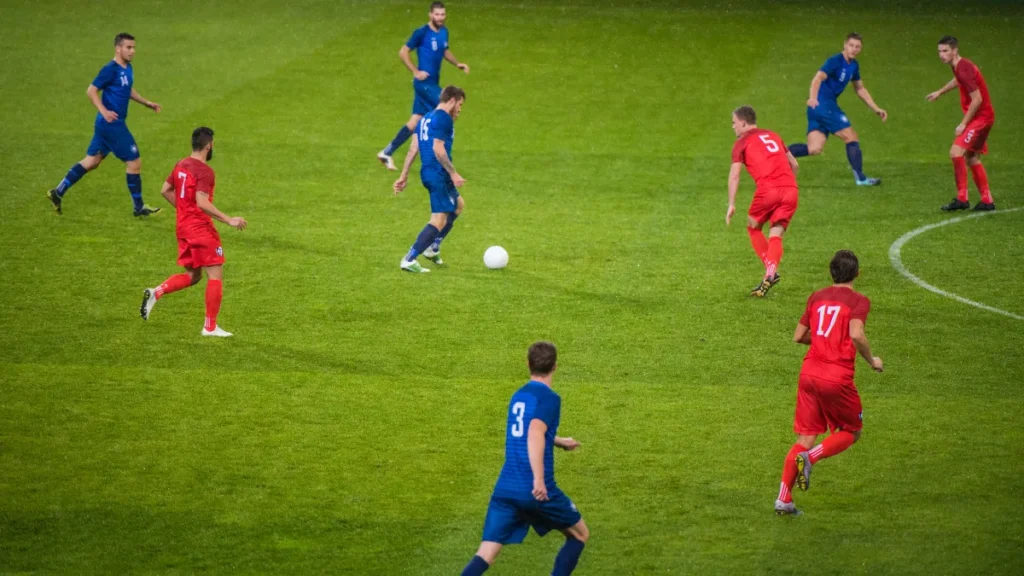
More than logos on jerseys or stadium banners, sponsorship in 2026 is about weaving brands into the emotional tapestry of sports fans. The greatest returns are realized through storytelling, immersive fan experiences, and community-building initiatives. As football’s popularity surges in North America, brands like Red Bull and Heineken are pushing the envelope with creative activations ranging from exclusive fan zones to interactive virtual reality content.
Some effective strategies being employed across the 2026 calendar include:
- Integrated Campaigns: Combining digital and physical activations to create seamless fan journeys.
- Local Community Engagement: Partnerships with grassroots clubs and events to foster loyalty beyond the event itself.
- Innovative Use of Technology: Utilizing augmented reality, live streaming, and social media interactivity.
- Sustainability Messaging: Aligning brand values with the environmental goals of events, similar to Ontario Power Generation’s clean energy efforts.
- Custom Content Creation: Tailoring stories and advertisements to resonate with local cultural identities and languages.
These approaches not only elevate brand visibility but also cultivate lasting connections with fans, enhancing the sponsor’s reputation long after the final whistle. By aligning with the narratives surrounding top athletes and pivotal moments, sponsors can transform a one-off cost into a multiyear investment in brand equity.
| Strategy | Benefit | Example Brands |
|---|---|---|
| Integrated Campaigns | Higher fan engagement and seamless brand interaction | Red Bull, Nike |
| Community Engagement | Stronger brand loyalty and grassroots connection | Heineken, Adidas |
| Technology Innovation | Enhanced fan experience and global reach | Samsung, Pepsi |
| Sustainability Messaging | Positive brand association and social responsibility | Ontario Power Generation, Visa |
| Custom Content | Authentic fan resonance tailored by region | McDonald’s, Emirates |