

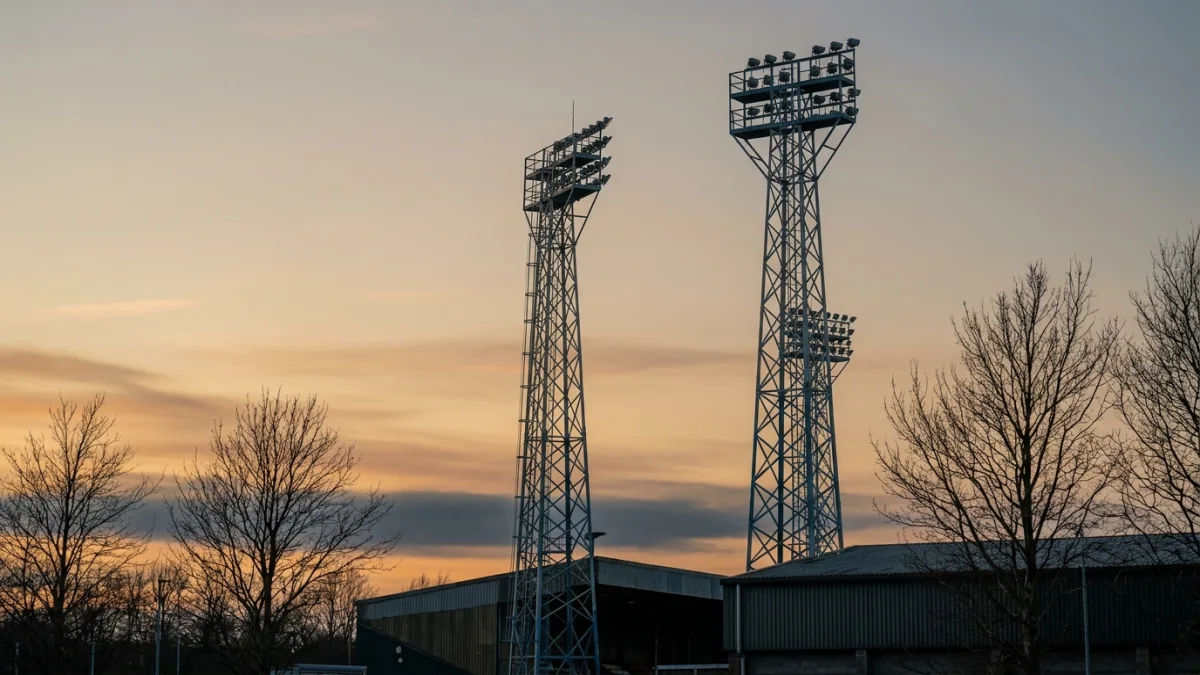
Wales fans, buckle up. The Football Association of Wales (FAW) has made it official: the Red Wall will be packing out Cardiff City Stadium again this autumn. Forget about a temporary move to the Principality Stadium, at least for now. The men’s national team is staying put in its fortress for a crucial run of Nations League matches.
Let’s get straight to the facts. Craig Bellamy’s side kick off their League A campaign with two away days—Portugal and Denmark in late September. Then, in early October, Norway and Denmark come to town for a double-header in the heart of Cardiff. The group wraps up with an away trip to Norway and, finally, a juicy home clash against Portugal on November 17 at the same stadium.
Some fans wondered if the FAW would use this opportunity to test-drive the Principality Stadium ahead of Euro 2028, where Wales are set to co-host with England, Scotland, and Ireland. After all, six games will be played at the rugby cathedral, and if Wales qualify for the tournament, they’ll get their shot on that massive stage. But for now, the FAW is sticking with familiarity, and frankly, who can blame them?
The stats don’t lie. Since moving into the 33,000-seater Cardiff City Stadium in 2009, Wales have turned it into a genuine fortress. They’ve lost only once in regular time across their last 14 competitive outings there. Yes, there have been shoot-out heartbreaks—Poland in March 2024 and Bosnia and Herzegovina just last month—but over 90 minutes or more, this ground is a nightmare for visiting sides.
Bellamy and his players have been effusive in their praise of the atmosphere at Cardiff City Stadium. The compact stands keep the noise locked in; every tackle and every goal feels bigger. Even FAW chief Noel Mooney isn’t shy about it: “Our fans, our players, the FAW is really happy playing in Cardiff City Stadium.” That’s not PR spin, just ask anyone who’s tried to play through that wall of red noise.
But let’s not pretend this decision was uncontested. Mooney himself admitted that giving Bellamy’s squad experience at Principality would make sense ahead of Euro 2028. He’s even floated the idea of friendlies or big qualifiers being moved there between March and November 2027 to get a feel for those cavernous surroundings.
There was also some talk of following the women’s team by staging a men’s international in Wrexham. But as things stand, autumn 2026 belongs to Cardiff City Stadium.
And why not? The recent friendly against Northern Ireland may have been flat on the pitch (a 1-1 draw), but that doesn’t erase years of high-stakes drama and raucous support. Promotion to Nations League League A was clinched right here last November with a thumping 4-1 win over Iceland.
This place isn’t just home advantage; it’s an identity statement.
Of course, you can’t ignore what makes this stadium different from its bigger rugby cousin down the road: intimacy over capacity. The Principality can swallow up sound unless packed to the rafters, something that hasn’t always happened outside major tournaments or headline qualifiers. It’s a point often overlooked by armchair pundits who think bigger is always better.
Meanwhile, Bellamy’s team have built real momentum here. The Red Wall is close enough to rattle opponents during throw-ins and corners. If you want to see how movement and shape play out under pressure from both sides, especially with Bellamy at the helm, check out how modern managers are using tactical philosophies; skubala futsal background shape lincoln city offers an intriguing comparison.
There will be time for debates about ticket allocations and whether Euro fever warrants trial runs at Principality closer to 2028. Until then, fans get what they want: nights under floodlights where every shout echoes like thunder.
As other clubs chase packed houses and Premier League dreams elsewhere, see how some believe playing premier league season transform club. Wales are sticking with what works—rootsy passion over tourist spectacle.
If you’re booking travel or prepping your voice for another chorus of Hen Wlad Fy Nhadau this autumn, there’s no mystery left about where to go. The Red Wall stands united in Leckwith once again, just as it should be.