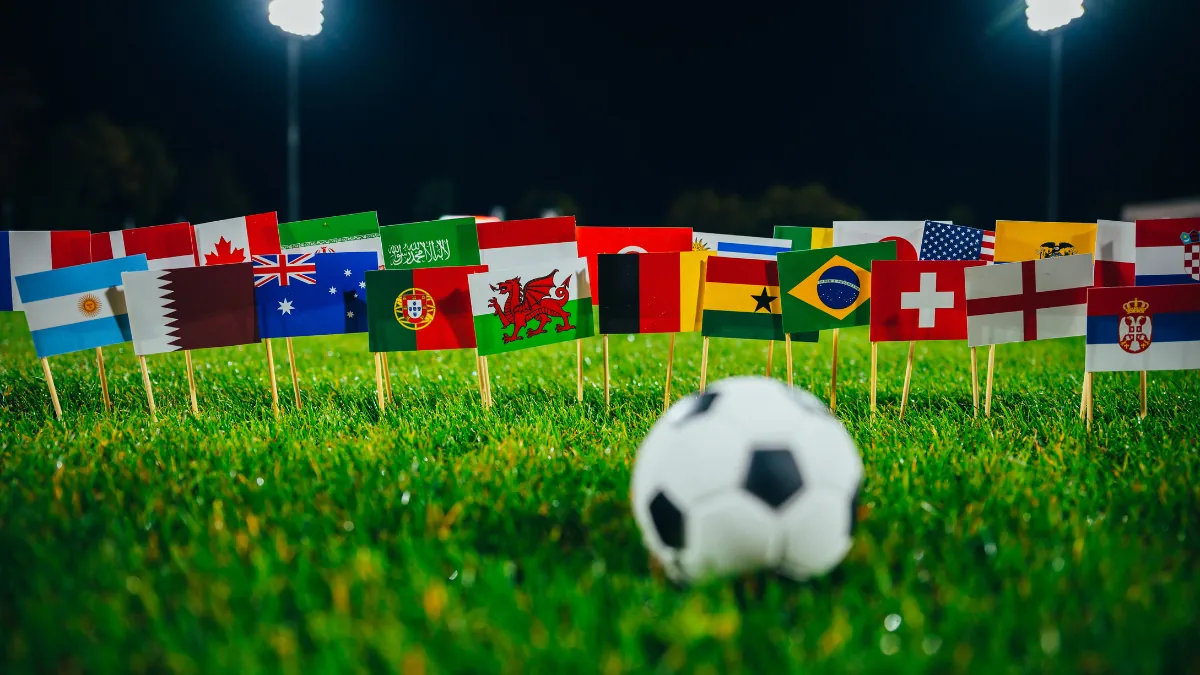


Women’s football has surged beyond sport, becoming a cultural force reshaped profoundly by an ever-growing female fan base in Asia and Europe. Now boasting over 800 million supporters worldwide, with women making up 60% of audiences, this dynamic demographic is rewriting traditions and propelling the game to unprecedented heights. Stadiums once sparse for women’s matches now brim with passionate crowds, while global brands like Nike, Adidas, and Puma invest heavily in sponsorships and grassroots initiatives. The collaboration between confederations such as UEFA and AFC is fueling competitive growth and visibility, echoed by revolutionary tournaments that blend social progress with athletic excellence. Female fans are not passive observers; they act as catalysts in the sport’s commercial boom, social dialogue, and community cohesion—transforming women’s football into a vibrant, multifaceted movement spanning continents.
The Historical Surge of Women’s Football and Female Fandom in Asia and Europe
The rise of women’s football is deeply intertwined with its dedicated supporters, particularly the female fans whose increasing presence in stadiums and media platforms has both reflected and accelerated the sport’s development. Historically, women’s football encountered significant societal and institutional obstacles—from outright bans in early 20th-century England to decades of limited recognition. Yet perseverance and passion fostered grassroots engagement that blossomed into national leagues such as England’s FA Women’s Super League and Germany’s Frauen-Bundesliga.
In Asia, the story took root differently but just as fervently, with the Asian Football Confederation (AFC) driving development through expanded competitions and programs supporting female players and coaches. Today, fan culture in countries like Japan, South Korea, and increasingly Vietnam exhibits remarkable vibrancy, blending traditional sporting enthusiasm with evolving gender roles. UEFA’s commitment to growing the women’s game in Europe has complemented this by establishing high-profile tournaments and broadcasting deals through platforms like DAZN, further enhancing accessibility.
Female fans in both continents have become pivotal: they demand quality, engage in club culture, and participate actively on social media, thereby amplifying players’ voices and bringing diversity to football dialogue. Their presence influences club strategies, sponsorship alignment, and even broadcasting schedules, pivoting women’s football from the margins toward mainstream prominence.
- Societal barriers historically limited women’s football in many regions, but fans sparked grassroots growth.
- FA Women’s Super League and Frauen-Bundesliga became European hubs for elite competition and global attention.
- Asian Football Confederation (AFC) initiatives expanded fan engagement and increased participation in Asia.
- Media partnerships, including UEFA and DAZN, boosted visibility and brought away fans into living rooms.
- Female fan activism transforms the sport’s commercial and cultural landscape.
| Region | Key League/Tournament | Fan Impact |
|---|---|---|
| Europe | UEFA Women’s EURO, FA WSL, Frauen-Bundesliga | Attendance records, diverse fan bases, high broadcast ratings |
| Asia | AFC Women’s Asian Cup, ASEAN Women’s Championship | Growing stadium attendance, grassroots activism, social media buzz |
These developments mark a long-awaited shift, where women fans no longer watch from the sidelines but actively shape the future trajectory of the game in both Asia and Europe.
Explosive Growth of Female Fandom Driving Commercial and Social Change in Women’s Football
The explosion of female fandom is more than a demographic trend; it’s driving sweeping commercial recalibrations across Asia and Europe. Brands like Nike, Adidas, and Puma now target women’s football markets aggressively, crafting campaigns that resonate with the empowering narratives fans embody. Sponsorship deals have surged by 77% in recent years, while ticket sales and merchandise purchases show consistent double-digit growth fueled by energetic fan engagement.
Female supporters’ preferences influence how clubs like FC Barcelona and Chelsea FC Women market their identity and create fan experiences. Their loyalty extends beyond matchdays into social spaces, where online content, player interactions, and community initiatives flourish. Football clubs have innovated fan engagement strategies by integrating digital ticketing, exclusive supporter content, and fan-based revenue-sharing models, enhancing both financial and emotional investment.
Beyond economics, this fan base champions social progress. Their vocal activism encourages gender equity in pay, media coverage, and representation within club administration. The cumulative effect reshapes narratives, compelling traditional football authorities like UEFA and AFC to adapt policies and investments toward inclusivity and sustainability.
- Brand sponsorships in women’s football increased by 77%, with a focus on women-led campaigns by Nike, Adidas, Puma.
- Fan-driven merchandise sales and social media interactions enrich club revenues and global visibility.
- Clubs innovate with digital engagement—live streams on DAZN, exclusive fan content—intensifying emotional connection.
- Fans advocate for equality, influencing governance and policy decisions in both continents.
- Stadium attendance and viewership records reinforce the financial viability of women’s football leagues.
| Club | Annual Revenue (€ millions) | Leading Sponsors | Fan Engagement Highlights |
|---|---|---|---|
| FC Barcelona Femení | 17.9 | Nike, Lotto | High attendance, vigorous merchandise sales, digital campaigns |
| Chelsea FC Women | 13.4 | Reebok, Umbro | Innovative fan content, community outreach programs |
| Arsenal Women | 17.9 | Adidas, Puma | Strong matchday growth, expansive social media interaction |
Such transformations showcase how female supporters are not merely consumers but agents of cultural and commercial dynamism in women’s football’s evolution.
Grassroots and Community Initiatives Empowering Female Fans Across Asia and Europe
The backbone of women’s football’s ongoing revolution rests with grassroots and community-driven programs that cultivate both players and fans. Numerous initiatives spearheaded by football federations and FIFA’s Women’s Football Development Programme have accelerated participation and interest. These programs focus intentionally on inclusivity to break down remaining cultural and economic barriers that particularly influence female access to the sport.
Countries like Laos and Armenia serve as compelling examples. Laos’ “Forward for Women” campaign encourages girls aged 8-14 to engage with football in safe, supportive environments, fostering confidence and teamwork, essential foundations for lifelong support of the sport. Armenia’s “She Plays” initiative links schools to clubs, creating sustainable pathways for player development while generating widespread community enthusiasm and tourism engagement during public fan festivals.
Such projects emphasize education alongside technical training, involving mentorships that prepare young women not only for athletic success but leadership roles within the sport. These efforts have cascaded into increasing female viewership, enhancing fan literacy, and cultivating long-term allegiance in emerging markets.
- Government and federation-backed grassroots programs promote early female participation and fan development.
- Partnerships with major brands like Nike and Puma support equipment provision and coaching expertise.
- Mental health and life skills training embedded in player and fan education.
- Community festivals and campaigns create inclusive, vibrant fan spaces and local pride.
- Bridging school and club systems ensures sustained player and fan engagement.
| Grassroots Program | Key Focus | Notable Supporters | Outcomes |
|---|---|---|---|
| Laos Forward for Women | Inclusive youth football, confidence building | Nike, Reebok | Increased girls’ participation, community empowerment |
| Armenia She Plays Initiative | Player pathways, fan activation | AFC, local influencers | Growth in registered players, vibrant fan engagement |
| Eritrea Women’s Football Strategy | Capacity building, leadership development | FIFA, local federation | Emerging national teams, coach education progress |
This grassroots foundation will continue to expand fanbases and challenge stereotypes, ensuring women’s football’s prominence is both broad-based and deep-rooted across continents.
Influential Female Football Icons and Memorable Matches Captivating Fans Across Continents
Female football legends and contemporary icons act as the emotional core binding fans across Asia and Europe. The legacy of stars like Brazil’s Marta, a six-time FIFA Player of the Year, merges with the present achievements of athletes such as Sam Kerr of Australia, whose record-breaking scoring and global appeal extend the game’s reach into new territories and demographics. In Europe, figures playing under the banners of clubs like FC Barcelona and Chelsea Women symbolize both excellence and breaking down barriers.
These players’ performances in historic encounters—whether clutch goals in UEFA Women’s EURO matches or dramatic moments during FIFA Women’s World Cup qualifications—generate electric atmospheres and lasting narratives. Fans follow not only the sport but the personal journeys and activism embodied by these stars, deepening engagement and inspiring younger generations. The sport’s media ecosystem capitalizes on this star-driven passion, offering documentaries, interviews, and analytical content.
- Legendary players like Marta and Megan Rapinoe provide role models and elevate fan excitement.
- Current stars such as Sam Kerr drive popularity in Asia-Pacific and Europe.
- Iconic matches create shared experiences that galvanize fan communities.
- Player activism connects sport to social justice, expanding fan relevance.
- Media and fan platforms sustain attention through storytelling and interaction.
| Player | Country | Known For | Impact on Fans |
|---|---|---|---|
| Marta | Brazil | Six-time FIFA Player of the Year | Global ambassador and inspiration |
| Megan Rapinoe | USA | World Cup-winning captain and activist | Fusion of sport and social justice |
| Sam Kerr | Australia | Record goal scorer, fan favorite | Growth of women’s football fandom in Asia-Pacific |
These players’ stories remain vital, not as mere anecdotes but as beacons fueling the passion that female fans bring to every match.
Addressing Challenges: Gender Equality and the Future of Women’s Football Fandom in Asia and Europe
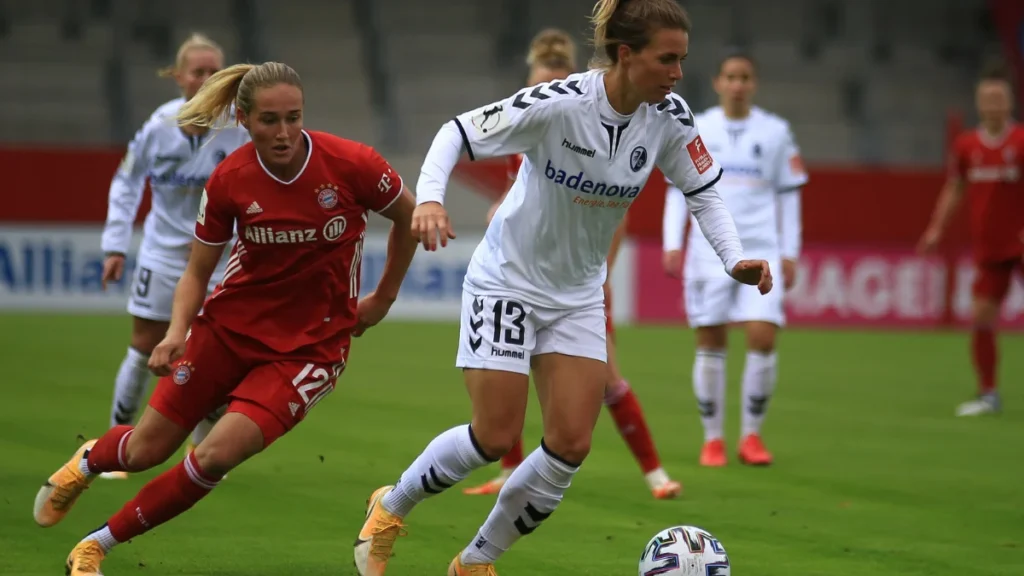
Despite monumental progress, women’s football continues to confront significant challenges—most notably, persistent gender inequalities in pay, media representation, and infrastructure investment. Female fans are increasingly vocal, applying pressure on governing bodies like UEFA and AFC to enact policies fostering parity and inclusiveness. The sport’s growth depends on translating fan enthusiasm into sustainable systemic change.
A key hurdle remains the financial disparity between men’s and women’s football, with many female leagues still advancing struggles for equitable salaries and professional conditions. Media coverage, though vastly improved, still lags behind men’s competitions in visibility. Female fans support advocacy groups and campaigns to amplify these disparities and lobby for enhanced broadcast deals, pushing platforms like DAZN to prioritize women’s matches.
The dynamic interaction between fans and federations foreshadows a future where women’s football not only commands commercial power but serves as a beacon of social progress. The collective energy of female supporters and their champions within clubs and governing bodies is tying the game’s fortunes to broader movements for gender equity across Asia and Europe.
- Financial disparities between men’s and women’s football remain a pressing barrier.
- Media visibility gaps challenge the sport’s mass accessibility.
- Female fans lead advocacy for improved pay, exposure, and infrastructure.
- UEFA and AFC are responding to fan-led calls for equity and inclusion.
- Future growth depends on sustaining fan engagement alongside systemic reforms.
| Challenge | Description | Fan Role |
|---|---|---|
| Pay Inequality | Significant salary gaps between men’s and women’s players | Supporting campaigns demanding equitable pay |
| Limited Media Coverage | Underrepresentation of women’s matches on mainstream channels | Driving awareness via social media and advocacy |
| Resource Allocation | Unequal investment in facilities and staff | Pressuring clubs and federations for fair distribution |
As the female fan base grows brighter and more influential, their role in breaking down barriers is pivotal. They energize women’s football’s promise as a front-runner in global sports innovation.
Frequently Asked Questions on Women’s Football and Female Fandom Transformation
- What has driven the rise in women’s football viewership? Expanded competitions, improved media coverage, and targeted sponsorships have significantly increased the global audience, especially among female fans.
- How do grassroots programs impact the sport? They foster early participation, skill development, and lifelong fan engagement, creating sustainable growth pipelines supported by major brands.
- What ongoing challenges does women’s football face? Disparities in pay, media exposure, and resource allocation persist, but fan activism is accelerating reform.
- Which brands lead sponsorship efforts? Nike, Adidas, Puma, and others are investing heavily and align closely with female fans’ values and aspirations.
- Where can fans follow the latest women’s football news? Media platforms like DAZN, social media hubs, and specialized sites such as RKT Football provide comprehensive coverage and fan engagement tools.