
No Formula 1 champion ever clinched greatness without weathering a storm or two. The 2026 campaign, with its relentless pressure and razor-thin margins, has delivered a classic test: how does a title leader respond when things go sideways? Enter Kimi Antonelli. Mercedes’ teenage sensation has just turned a self-confessed “bad weekend” at the Austrian Grand Prix into a fresh surge of title optimism.
From Rookie Blunders to Ruthless Self-Belief
Antonelli’s Austrian outing was a mess of his own making. Practice pace? Untouchable. Provisional pole? His for the taking, until a botched reading of yellow flags let George Russell slip through and left Antonelli marooned in fourth. The opening laps were even uglier, as the 19-year-old tried to compensate with over-aggression and ended up skating off track three times. Rookie panic like that can detonate championship dreams.
Yet Antonelli didn’t implode. He fought back, slicing through the chaos to bag third place, only 1.9 seconds off Russell and a hair’s breadth behind Verstappen. Not exactly a disaster. He called it “a strong result on an off weekend.” That’s the dark-horse mentality past champions have wielded: the ability to salvage a podium when everything goes wrong, to squeeze out points and momentum from adversity.
His words cut through the noise: “If the bad weekend has to go that way. I would put a great signature on it because we were still in P3, we were still a strong second half of the race.” He’s not dodging the mistakes, either. “It’s all experience. It just gave me that extra confidence that even when things don’t look good towards my way, together with the team, we can still pull a great result and a great performance.”
Antonelli’s biggest leap isn’t raw pace. It’s his refusal to let a bad Sunday unravel his season.
Strategic Doubts. Pressure Games, and a Championship Mindset
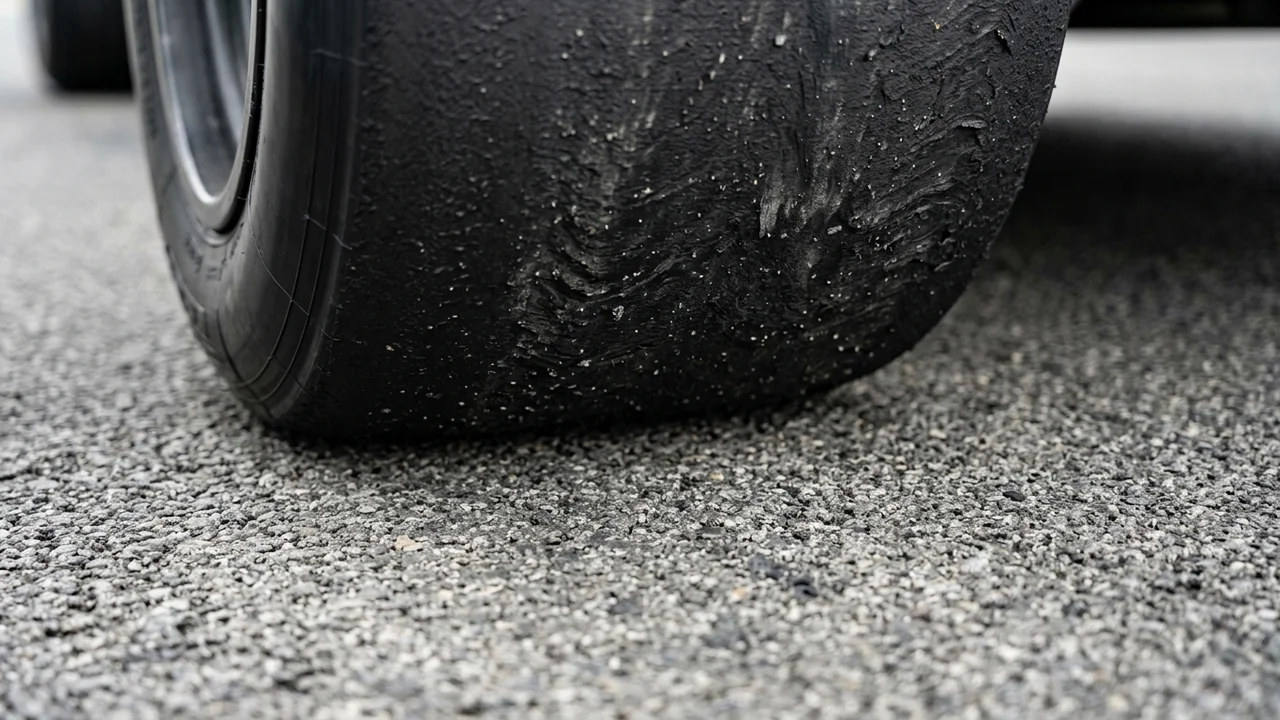
Antonelli’s positivity doesn’t mean blind faith in Mercedes’ calls. In the debrief after Spielberg, the party line was that the team’s strategy, delaying Antonelli’s pit stops for fresher rubber at the end, was the fastest play. The Italian isn’t buying it. He’s adamant that an earlier stop would have let him undercut Verstappen, his main rival. “I remain of the view that we missed the chance to pull off an undercut… By stopping a few laps earlier we wouldn’t have had degradation issues.”
That’s not just the impatience of youth. It’s a subtle shot across the garage: Antonelli wants to dictate his own fate, not just follow the script. His fastest lap came two laps before the chequered flag, on tires that were already 20 laps old, hardly a sign he was rubber-limited. The implication is clear. He’s got the pace, and next time, he’ll want the calls to go his way.
At Silverstone. Antonelli’s demeanor has shifted. He’s walking the paddock with new certainty, not looking over his shoulder for a 2027 contract. “You can solely focus on driving, knowing there are no lingering question marks,” he admits. Still, he’s wary of the complacency trap. That’s a warning to every title rival: his edge isn’t dulled by comfort, it’s sharpened by unfinished business.
While the paddock obsesses over tire choices and pit wall politics. Antonelli’s head is already in championship mode. “It’s a lot about now, as the performance is there, the pace is there, it’s about just making sure that every weekend I put things together and I maximise every session.” That’s the blueprint for a title run: minimize the self-inflicted wounds and learn from every setback.
If you want to see how championship pressure forges contenders, look no further than the Mercedes garage this summer.
The lessons Antonelli takes from Austria could define the rest of the season, just as a controversial tactical gamble in a wbc welterweight title fight can swing a boxing title bout.
Toto Wolff, never one to mince words, is betting this kind of meltdown “will never happen again.” The real intrigue? Whether Antonelli’s fighting spirit, and his willingness to challenge the status quo, will make the difference when the championship is on the line.