

Como’s club leadership has sparked debate by giving up their own seats for older supporters at the club’s Champions League debut. President Mirwan Suwarso and several senior executives announced they would surrender their personal allocations so lifelong fans could witness the club’s historic continental bow in person. The move has drawn both praise and scrutiny, with some hailing it as a heartfelt gesture and others questioning the business sense.
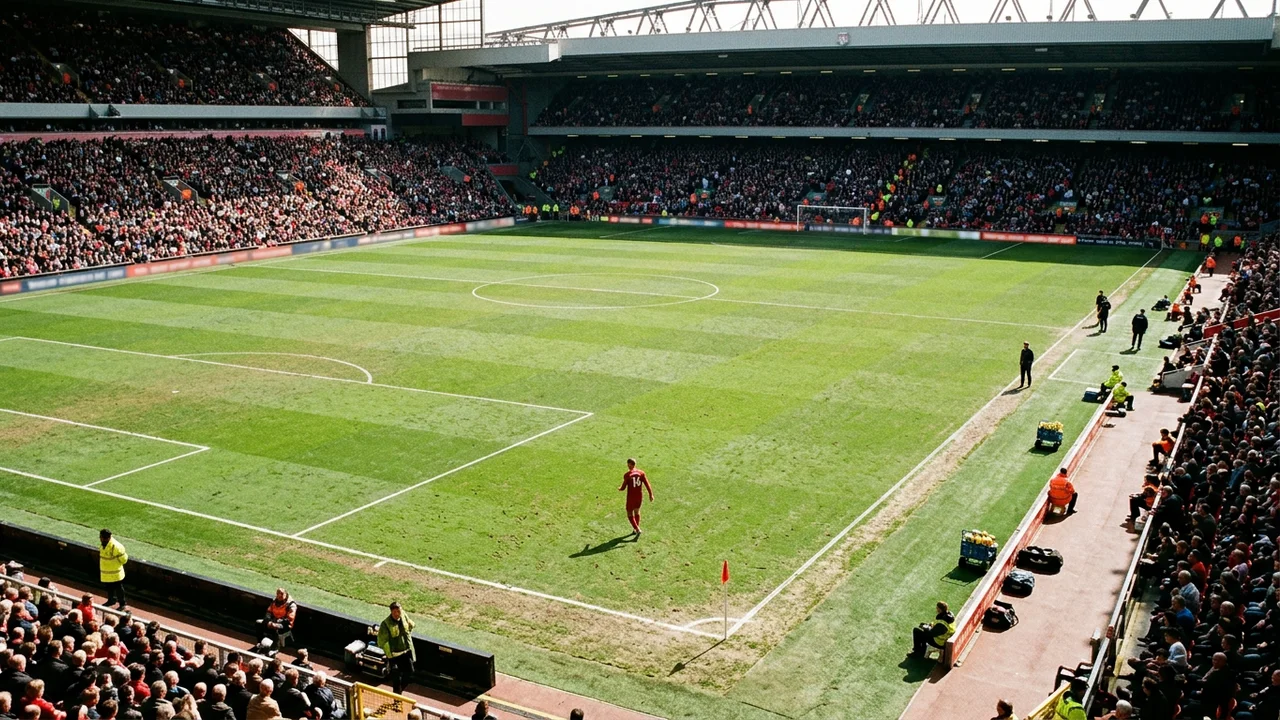
Stadio Giuseppe Sinigaglia, perched on the shores of Lake Como, typically holds about 12,000 spectators. For the Champions League opener against RB Leipzig, UEFA broadcasting and operational requirements have forced a further reduction of 1,000 seats. That cut slashes potential matchday income and leaves thousands of fans scrambling for tickets.
“With the reduced capacity and the limited number of tickets available, unfortunately we cannot accommodate everyone who would have liked to be there. However, some club executives and I have decided to give up our seats for this match,” Suwarso said. Club leadership framed the decision as a reward for loyalty, recognizing older supporters who have stuck with Como through decades of lower-league football and financial turmoil.
Capacity Crunch Hits the Bottom Line
Champions League qualification is a financial windfall for Como, a club that only recently returned to Serie A and finished fourth last season under Cesc Fabregas. UEFA participation fees and broadcast rights promise a major boost to the balance sheet. Yet the stadium’s limitations cast a shadow over the celebration.
Every lost seat means lost revenue, not just from ticket sales but also from food, beverage, and merchandise. The tension between maximizing short-term profits and building long-term loyalty is sharper than ever. By prioritizing senior supporters over VIPs and executives, Como’s leadership is betting on goodwill instead of squeezing every euro from hospitality and commercial sales. For a club at Como’s stage, each match is a missed chance to woo sponsors and investors at premium prices.
UEFA’s requirements are standard, but for smaller clubs with limited commercial infrastructure, the impact is more severe. Como’s leadership seems willing to absorb the financial hit, at least for this night. Sentiment and fan relations, they’ve decided, matter more than boardroom perks.
A Different Path from Europe’s Giants
Como’s approach stands in stark contrast to the strategies of Champions League regulars. Manchester City and Paris Saint-Germain, for example, have made headlines for massive transfer spending and aggressive hospitality programs. Manchester City’s summer outlay approached $600 million, highlighted by the $169 million signing of Enzo Fernandez, all part of a push to turn Champions League participation into global brand dominance.
The numbers at Como are smaller, but the stakes are just as real. Ticket scarcity has driven up secondary market prices, presenting a clear opportunity to cash in with sponsors, partners, and wealthy fans. Instead, Como has chosen to invest in the loyalty of its core supporters. That choice could pay off in reputation and fan devotion as the club tries to cement its place in Serie A and European competition.
Financial disparities in European football remain stark. While the giants flex their commercial muscle, clubs like Como must weigh immediate revenue against the chance to build something lasting. The Champions League is often a showcase for transfer fees and contract negotiations. This week in Como, the conversation is about values and priorities, not just numbers.
Most headlines focus on the big clubs and their expensive new arrivals. Yet stories like Como’s offer a reminder: sometimes, the most meaningful investments are measured not in euros or seat licenses, but in the memories created for fans who have waited a lifetime for nights like these.
As the Champions League’s league phase kicks off with fixtures from Madrid to Como, attention on stadium allocations and supporter experience will only intensify. The ripple effects of Como’s allocation strategy may linger long after the final whistle.