
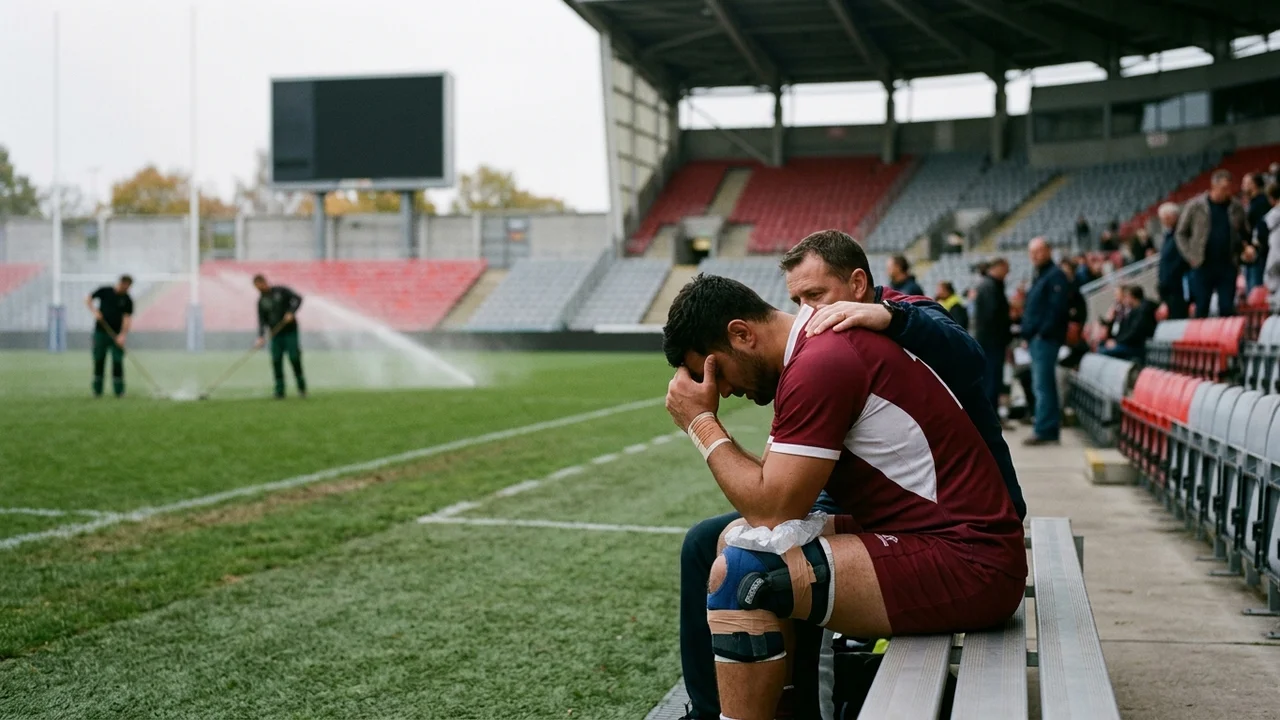
Squad depth and player availability can define a Super League campaign, especially as the season reaches its most demanding stretch. St Helens’ 2026 run has been battered by a relentless wave of injuries, with 15 first-team players now sidelined. Few clubs in recent memory have faced such a sustained depletion, and the toll on tactical cohesion and week-to-week performance has been stark.
Clark’s output and Saints’ attacking structure
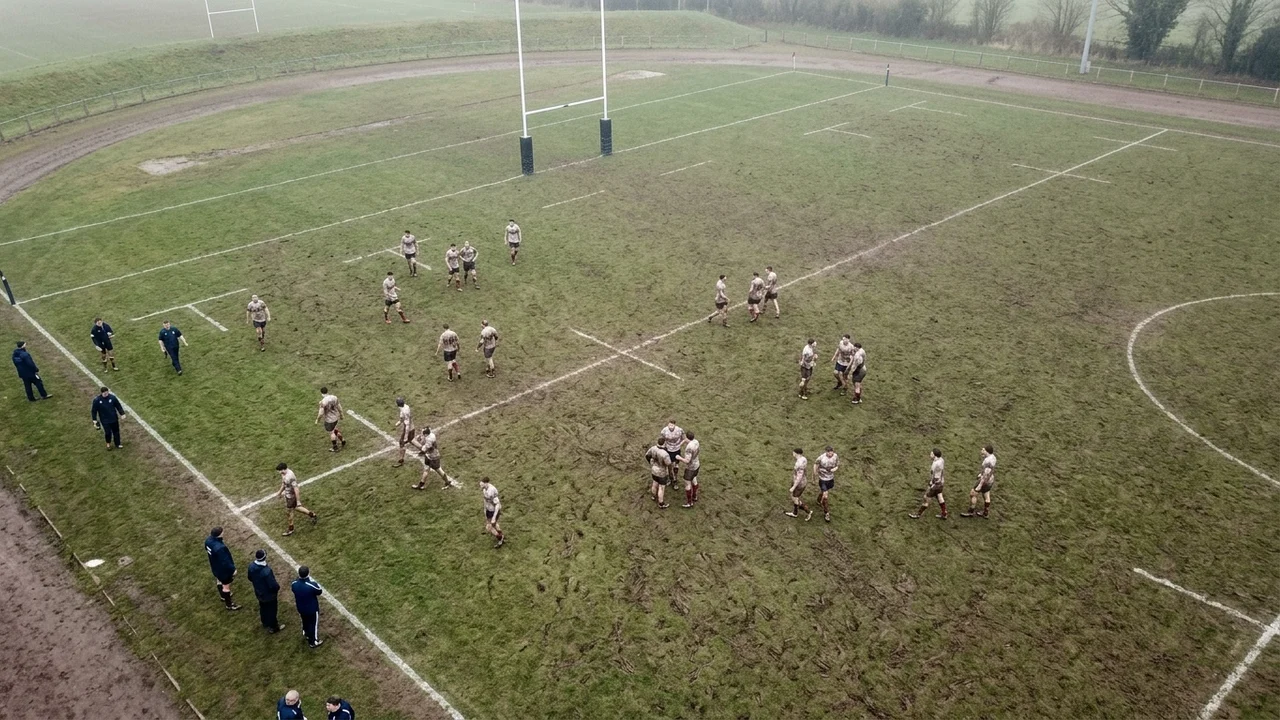
Since arriving at St Helens in 2024. Daryl Clark has been a difference-maker. In 18 appearances this season, the 33-year-old hooker has scored five tries and assisted eight more, directly contributing to 13 tries. For a hooker, that’s an elite level of attacking involvement.
Most Super League hookers don’t come close to those numbers. Clark’s ability to break the line, create quick ball from dummy-half, and inject momentum has been vital, especially with so many teammates unavailable. Now, after suffering an ankle ligament injury during the Magic Weekend defeat by Wigan. Clark is out for the season. St Helens lose not just a creative spark, but a key organiser in the middle of the park.
Fifteen first-team absentees leave the coaching staff scrambling for solutions. Set completion, dummy-half runs, and attacking efficiency have all dipped as the injury list has grown. When Clark played. St Helens’ try-scoring rate per 80 minutes held steady despite the chaos around him. The numbers suggest that without him, further decline is almost inevitable.
Tactical ramifications and England World Cup implications
Clark now faces surgery, with a recovery timeline that stretches beyond the club season. Reports indicate he could also miss England’s World Cup campaign, removing a player with proven club and international credentials from national team plans. England selectors must now rethink their options at hooker, a position where Clark’s productivity and experience are hard to replace.
For St Helens, the crisis deepens. Clark’s defensive work rate and speed around the ruck have been central to the team’s identity. His absence forces a tactical reset, with less experienced players thrust into pivotal roles. The coaching staff must reassign playmaking duties and find ways to maintain attacking tempo. Dummy-half carries, tackle busts, and line breaks will be key metrics to monitor as the team adjusts to a new-look spine.
This situation also exposes the limits of squad management and recruitment. With 15 first-teamers out, depth is being tested far beyond the usual short-term injury cover. The impact on win-loss records, points differential, and play-off prospects could be severe as the campaign wears on.
For those tracking the intersection of squad management and betting, the nuances of team selection and injury news are critical. Bookmakers adjust quickly to such developments, as explored in this analysis of Stake’s injury policies in relation to live betting dynamics.
Clark now turns his attention to surgery and rehabilitation, vowing to “get ripped into my rehab to try to get back ASAP.” His recovery will be monitored closely by both St Helens and England, with squad planners recalibrating expectations around any possible return.