

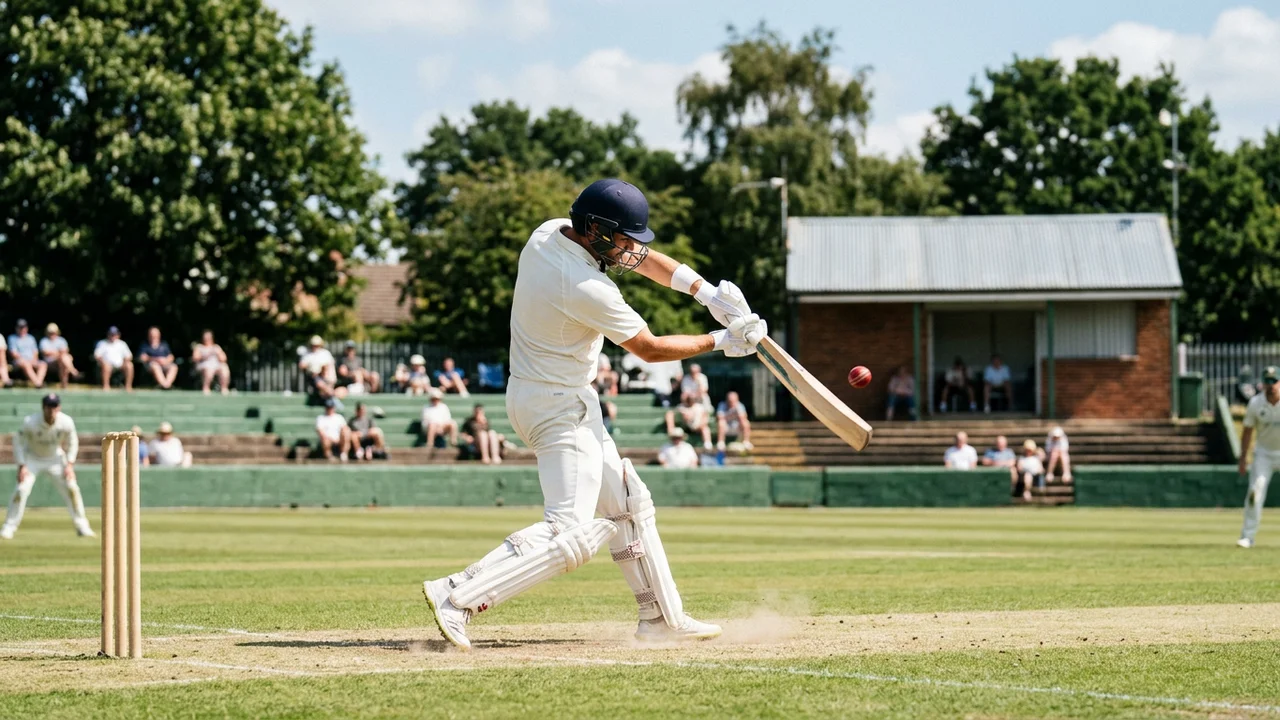
Modern cricket’s arms race for elite talent has never been fiercer. Clubs must now justify every pound spent, especially as T20 competitions inflate the cost of proven match-winners. Somerset’s jaw-dropping escape against Yorkshire in the Vitality Blast semi-final is a sharp illustration of why investing in clutch performers, not just big names, makes business sense.
Somerset’s march to a sixth straight Finals Day isn’t just a sporting achievement. It reflects a clear-eyed approach to talent management. Rather than chasing short-term marquee signings, the defending champions have prioritized locking down key assets. Craig Overton’s heroics in a must-win scenario reveal the payoff of long-term contract planning and the tangible returns it can bring.
Overton’s unbeaten 79 from just 30 balls, peppered with eight boundaries and five sixes, wasn’t just a season-defining knock. It was a live demonstration of why clubs pour resources into player retention. At 82 for 8 chasing 162. Somerset teetered on the brink. For many clubs, that position would have spelled disaster, elimination threatening sponsorship deals, gate receipts, and morale, all with direct financial consequences.
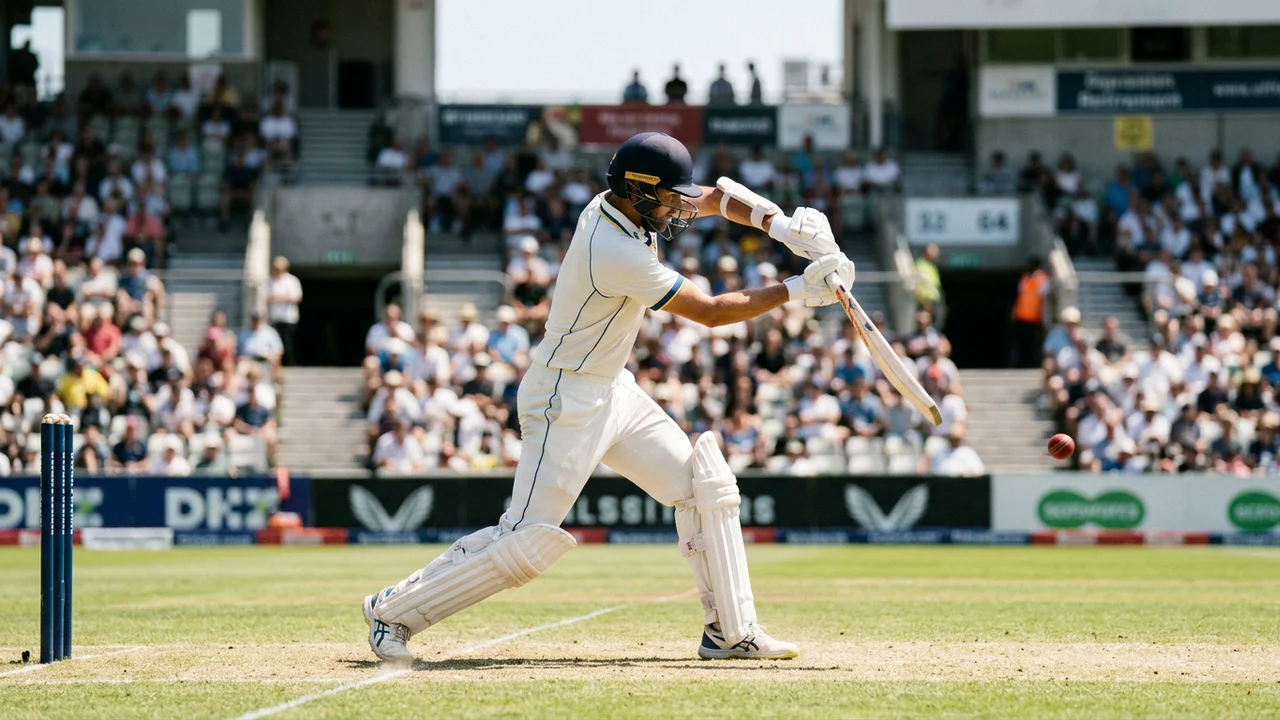
Somerset’s decision to retain Overton now looks like a masterstroke. His all-round impact, two wickets earlier, then a breathtaking rescue with the bat, translates into real revenue. Finals Day means more exposure, merchandise sales, and a brighter spotlight for sponsors. Investing in players who thrive under pressure delivers commercial upside as well as on-field success.
Yorkshire, meanwhile, are left to rue a missed chance. Their recruitment drive and batting-first tactics paid off during the group stage on Headingley’s flat pitches, but the lack of experienced finishers was exposed at the worst moment. Adam Lyth’s 64 anchored the innings, but after his and George Hill’s quick dismissals. Yorkshire lost momentum. Despite spending big on headline names. Yorkshire’s inability to close out the semi-final will force a rethink of their transfer and contract priorities as they continue to chase a first Blast title.
Somerset’s use of Tom Banton, briefly released from England’s ODI squad, highlights another layer of their strategy. Flexibility to integrate national team players when available can tip the balance, if managed smartly within the limits of central contracts and release agreements. Banton’s impact was muted this time, but the option itself is a competitive edge.
Margins couldn’t have been finer. Overton’s 22 runs off the final over, clinching victory with a ball to spare, show just how much is at stake in T20 cricket, both financially and competitively. The difference between a Finals Day berth and a semi-final exit can ripple through a club’s entire financial year, shaping everything from bonuses to recruitment budgets.
Somerset’s win also spotlights the rise of data-driven squad management. Their disciplined bowling, just four extras, and shrewd use of seamers like Jake Ball (3 for 30) and overseas pro Daniel Sams reflect a club operating with efficiency and financial discipline. This mirrors a wider trend in T20: analytics and cost-effective squad construction are now essential for maximizing returns.
Resource allocation hinges on identifying players who deliver under pressure. Clubs weighing strategies for T20. Tests, or ODIs can review recent discussions on format-specific player investments to inform their own decisions.
Somerset now chase a third title in four years at Edgbaston. The commercial rewards of their squad-building strategy could soon be realized again. Overton’s latest heroics are a reminder: clubs that invest in proven match-winners often reap the biggest rewards, both on the field and on the balance sheet.